If you ever craved a bowl of comfort that hugs your soul and slaps your taste buds awake at the same time, you probably thought about Traditional Mutton Paya Soup. I mean, who hasn’t? This legendary dish shows up like that one friend who always brings gifts—except here the gift is a ridiculously flavorful broth that solves 90% of your problems. (The remaining 10% probably need coffee or sleep.)
I grew up with this soup bubbling away on lazy Sunday mornings, and trust me, the smell alone could convince anyone that life’s going to be okay. You ever smell something so good that you forget your stress for a minute? Yeah—paya does that. IMO, it’s the edible version of therapy. 🙂
So, let’s talk about this iconic dish—what makes it special, how to make it right, and why people still swear by its magic.
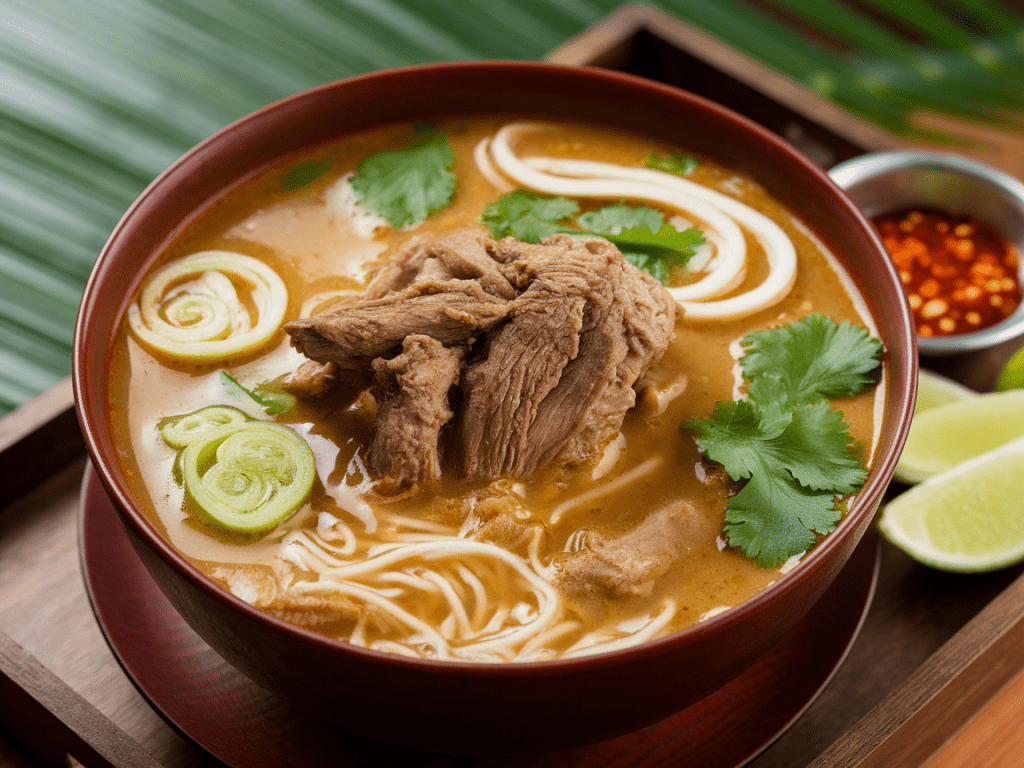
What Makes Traditional Mutton Paya Soup So Special?
A Heritage Dish With Serious Flavor Power
Traditional Mutton Paya Soup isn’t just food—it’s a whole experience. You get richness, warmth, and depth in every spoonful. So why do people treat it almost like a treasure?
Because the paya (trotters) pack some of the most intense natural flavors. When you simmer them slowly, they release gelatin and nutrients that make the broth thick, silky, and incredibly satisfying.
Ever wondered why one sip of good paya feels like your body suddenly wakes up and says, “Thanks, I needed that”?
Well, here’s why:
- Gelatin gives the soup its signature smooth texture.
- Bone marrow adds richness that chefs dream about.
- Slow cooking unlocks deep, savory flavors that no shortcut can replicate.
- Spices create the warm, aromatic punch that defines traditional South Asian comfort food.
Honestly, if flavor had a king, paya soup would bow to no one.
Health Benefits of Mutton Paya Soup
Let’s be real. Even though we mostly eat paya for the taste, the health benefits don’t hurt. Some people even call it a “natural multivitamin,” which—FYI—isn’t totally exaggerated.
Why Your Body Loves It
1. Joint & Bone Support
The soup is loaded with:
- Collagen
- Gelatin
- Calcium
- Phosphorus
These nutrients support joint mobility, bones, and even skin health. Ever wondered why grandparents swear by paya? Now you know.
2. Digestive Health
Gelatin helps your gut work smoother than your phone on a full battery. It strengthens the gut lining and supports digestion.
3. Immunity Boost
With garlic, ginger, and warm spices, the soup practically fights colds while you relax. And no, that’s not me exaggerating—your sinuses will clear faster than your unread email list.
4. Energy & Recovery
Paya soup delivers serious nourishment. If you’re tired, recovering from illness, or just feeling meh, this broth brings you back to life.
Bold claim? Maybe. True? Definitely.
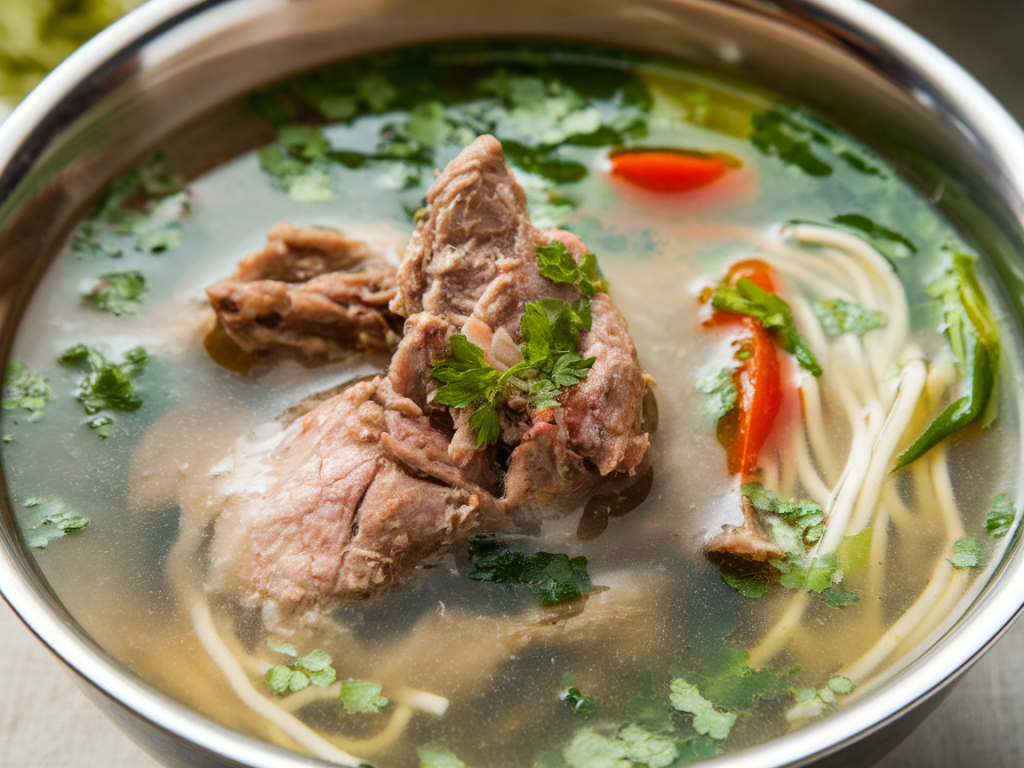
Ingredients You Need for Traditional Mutton Paya Soup
Before you start imagining yourself as the Gordon Ramsay of paya (minus the yelling), gather the essentials.
Core Ingredients
- 4–6 cleaned mutton paya (trotters)
- 2 large onions (sliced)
- 2 tomatoes (chopped)
- 2 tbsp ginger-garlic paste
- 1 tsp turmeric
- 1 tbsp red chili powder
- 1 tsp coriander powder
- 1 tsp garam masala
- Salt (as your heart tells you… or to taste)
- 6–7 cups water
- Fresh coriander for garnish
- Lemon wedges for serving
Optional Flavor Boosters
- Whole spices (cloves, bay leaves, cinnamon)
- Green chilies
- Black pepper
- A splash of ghee (because why not?)
These optional ingredients take the soup from “nice” to “oh-wow-I-did-that.”
How to Cook Traditional Mutton Paya Soup
Cooking paya soup is simple. It’s not fast, but it’s simple. Think of it like simmering your way to glory.
Step-by-Step Guide
Step 1: Clean the Paya Well
Wash them properly. Seriously—don’t skip this. No one wants mystery flavors in their soup.
Step 2: Sear the Goodness
Heat oil and sauté onions until they turn golden. Add ginger-garlic paste and let it cook until fragrant.
Step 3: Add Tomatoes & Spices
Drop in tomatoes and your spices:
- Turmeric
- Red chili
- Coriander
Let everything cook into a thick, bold masala.
Step 4: Add the Paya
Mix the paya into the masala until it’s fully coated. Ever coat popcorn in butter? Same vibe.
Step 5: Pour Water & Cook Low & Slow
For maximum flavor:
- Simmer for 3–4 hours in a pot
OR - Pressure cook for 45–60 minutes
Slow cooking brings out deeper flavor, but I get it—some days you’re hungry right now.
Step 6: Add Garam Masala & Adjust Salt
Always taste before serving. You’re the boss.
Step 7: Serve Hot
Garnish with:
- Fresh coriander
- Green chilies
- Lemon juice
Serve with naan, rice, or honestly, just a spoon.
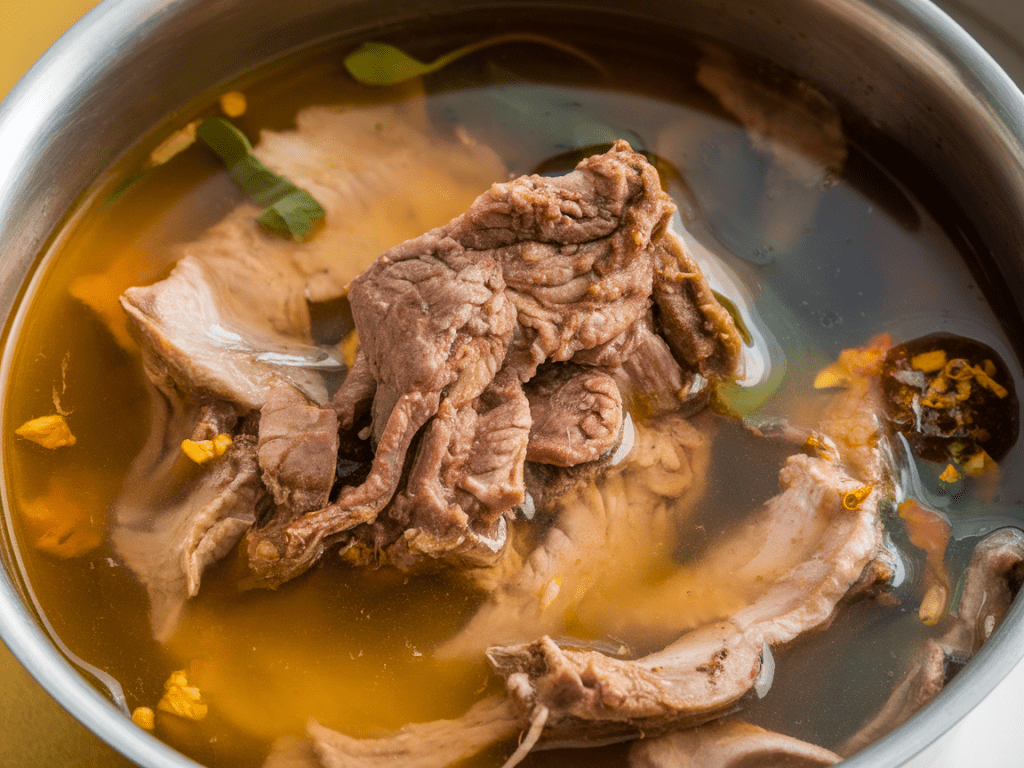
Why Slow Cooking Works Best
Want that authentic, grandma-approved flavor? Slow cooking wins every time.
Here’s Why:
- It extracts the maximum gelatin from the bones.
- It builds layered flavors that pressure cooking slightly shortcuts.
- It creates a silky broth that feels luxurious.
Ever rushed a good thing and regretted it later? Yeah—same rule applies here. Good paya demands patience.
Traditional vs. Modern Cooking Methods
Let’s compare the two, because people love shortcuts and also love tradition. Can’t win, right?
Traditional Stovetop Method
Pros:
- Richer, deeper flavor
- Authentic texture
- Superior gelatin extraction
Cons:
- Takes forever
- Not ideal when you’re starving at 8 PM
Pressure Cooker Method
Pros:
- Fast
- Convenient
- Energy-saving
Cons:
- Slightly lighter flavor
- Broth may be less thick
Which One Wins?
IMO, traditional slow cooking wins flavor-wise. But on busy days? Pressure cooker saves your sanity. 🙂
Tips to Make the Perfect Mutton Paya Soup
You want greatness? Follow these.
Expert Tips
1. Roast Your Spices First
Roasting whole spices boosts aroma. You don’t want flat flavors, do you?
2. Never Skip Lemon
It brightens the broth and cuts the richness beautifully.
3. Use Fresh Ingredients
Fresh ginger and garlic beat packaged paste every time. It’s not even a debate.
4. Add Ghee (Just a Bit!)
It brings a silky richness. Just don’t turn your soup into a swimming pool of oil.
5. Let It Rest
Let the soup sit for 10–15 minutes before serving. Flavors settle and deepen.
Common Mistakes People Make (And You Should Avoid)
Even experienced cooks mess up paya sometimes. Here are the mistakes to dodge:
- Using too much water → Makes the broth weak.
- Not cooking long enough → Texture becomes thin and “meh.”
- Skipping cleaning → Big no.
- Adding too many spices → Balance is key.
Ever eaten a soup that tasted confused? Yeah, that happened because someone dumped half the spice cabinet in it.
Serving Suggestions to Elevate the Experience
Traditional Mutton Paya Soup shines on its own, but pairing it right makes it next-level amazing.
Perfect Pairings
- Tandoori naan
- Garlic naan
- Steamed basmati rice
- Khameeri roti
- Paratha (if you feel indulgent… or reckless)
Add a side of fresh salad or sliced onions, and you’re basically dining like royalty.
Cultural Significance: Why People Love It So Much
Mutton Paya Soup isn’t just food—it’s tradition, comfort, and nostalgia all in one bowl. Generations cooked it as a winter specialty, a family-favorite, and a cure for colds, flu, and bad moods.
Ever notice how certain dishes remind you of home instantly? This soup is exactly that for millions.
It shows up:
- During festivals
- For special breakfasts
- On cold mornings
- When someone needs strength
- When guests arrive and you want to impress them
Honestly, this dish deserves its own fan club.
Final Thoughts
Traditional Mutton Paya Soup delivers everything—flavor, comfort, nutrition, and nostalgia—in one steaming bowl. You get a deeply satisfying broth that feels like a warm blanket for your insides. And if you cook it right, you’ll understand why people treat this dish with near-religious respect.
So the next time you crave something hearty, warming, and just downright delicious, make yourself a batch. Trust me—you’ll thank yourself later. FYI, once you master it, people might start showing up at your place “just to check in.” 😉