Smoked halibut is one of those dishes that tastes like you spent all day on it, yet it’s wonderfully simple to pull off. The fish is firm, mild, and takes on smoke beautifully without getting lost in it. This version leans savory, with a clean brine and a touch of lemon and herbs to brighten it up.
Whether you’re using a backyard smoker or a simple grill setup, you’ll get a restaurant-quality result at home. Serve it warm for dinner or chilled and flaked for salads and spreads.
What Makes This Special
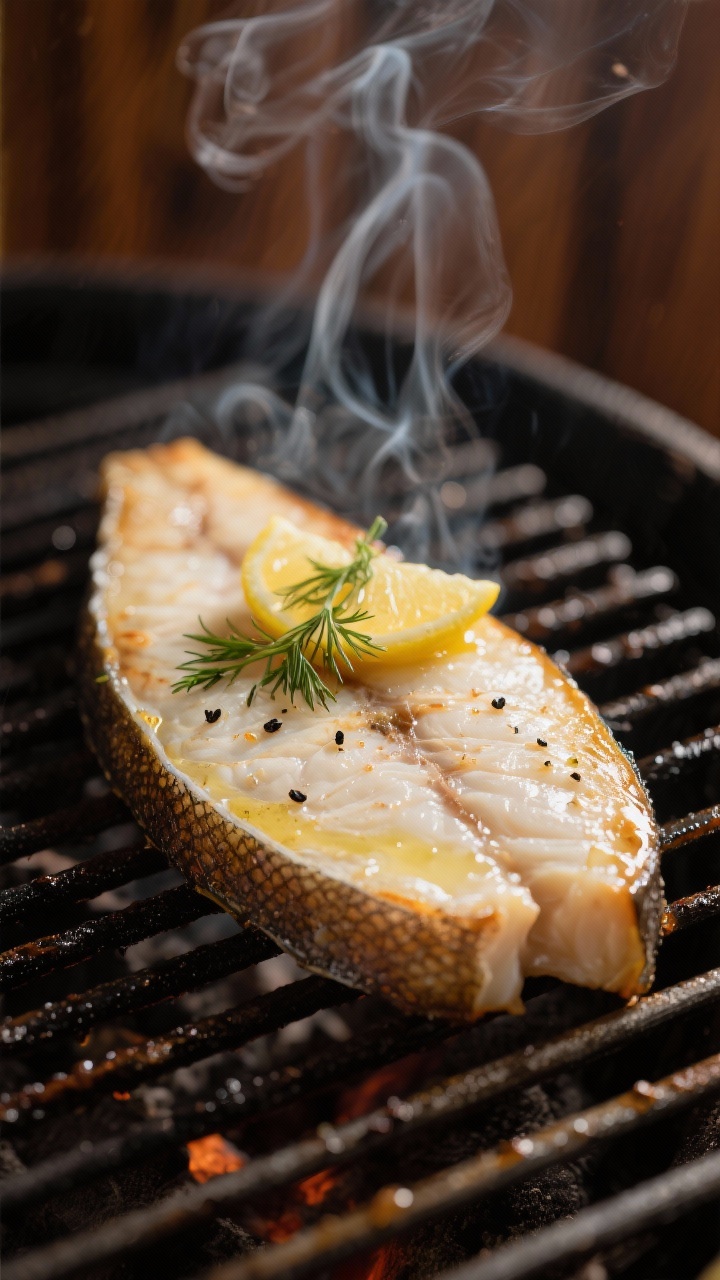
This recipe keeps the focus on halibut’s natural flavor. The brine is light and balanced, giving you moisture and seasoning without turning the fish salty.
A gentle smoke — think alder, apple, or cherry — adds depth without overpowering. You’ll also finish with a brush of lemon-butter-herb glaze for a glossy, savory finish. The result is tender, flaky fish with a clean, rich taste and a subtle smoke ring.
- Balanced brine: Just enough salt and sugar to season and lock in moisture.
- Mild smoke: Choose lighter woods to complement halibut’s delicate flavor.
- Controlled temperature: Low-and-slow heat gives you silky, perfectly cooked fish.
- Versatile finish: Serve hot, room temp, or chilled — it’s great any way you like.
Ingredients
- 1.5–2 pounds halibut fillet, skin on if possible
- 4 cups cold water
- 1/4 cup kosher salt (Diamond Crystal; use less if using a denser brand)
- 2 tablespoons brown sugar
- 1 teaspoon black peppercorns
- 2 bay leaves
- 2 garlic cloves, lightly crushed
- 1 small lemon, zested (reserve the lemon for glazing)
- 1 tablespoon neutral oil (for the grates)
- 2 tablespoons unsalted butter
- 1 tablespoon fresh lemon juice
- 1 tablespoon chopped fresh dill or parsley
- Optional: 1 teaspoon Dijon mustard for the glaze
- Wood choice: alder, apple, or cherry (avoid mesquite or hickory for this one)
How to Make It
- Make the brine: In a bowl, combine water, kosher salt, brown sugar, peppercorns, bay leaves, garlic, and lemon zest.
Stir until the salt and sugar dissolve.
- Brine the halibut: Submerge the fillet in the brine and refrigerate for 45–60 minutes. Thicker cuts may go up to 75 minutes, but don’t overdo it or the fish can turn too firm and salty.
- Rinse and dry: Remove the fish, rinse briefly under cold water, and pat very dry with paper towels. Set the fillet on a rack and refrigerate uncovered for 30–60 minutes to develop a tacky surface (the pellicle).
This helps smoke adhere.
- Prep the smoker: Preheat your smoker to 200–225°F. Add a small handful of wood chips or a chunk of fruitwood. If using a grill, set up for indirect heat and add a smoker box or foil packet with holes.
- Oil the grates: Lightly oil the grates or rack to prevent sticking.
Place the halibut skin-side down.
- Smoke low and steady: Smoke at 200–225°F until the fish reaches an internal temperature of 130–135°F at the thickest point, about 45–75 minutes depending on thickness. You’re aiming for opaque, flaky flesh that’s still juicy.
- Make the glaze: In a small pan, melt butter with lemon juice and herbs. Whisk in Dijon if using.
Keep warm.
- Finish and rest: In the final 10 minutes of smoking, brush the fish with the lemon-butter glaze. Remove when it hits temp, brush once more, and rest 5 minutes.
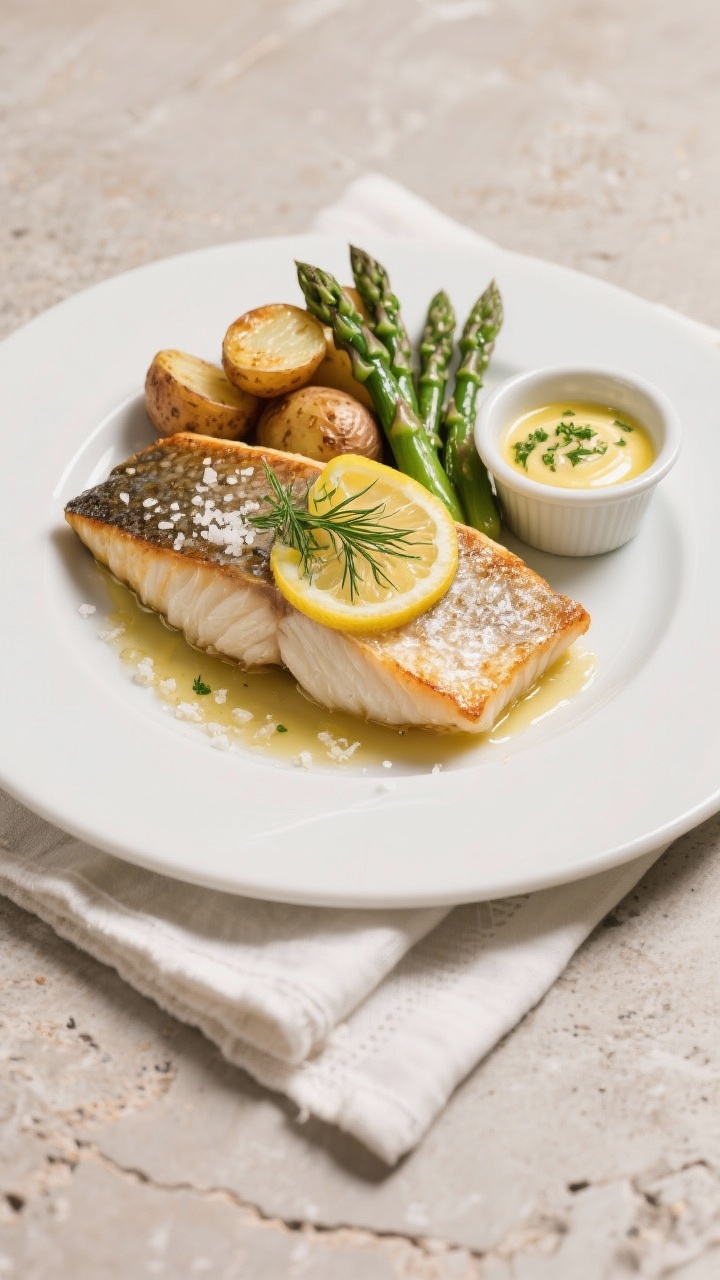
- Serve: Sprinkle with a pinch of flaky salt and extra herbs. Serve with simple sides like roasted potatoes, asparagus, or a crisp green salad.
Keeping It Fresh
Smoked halibut keeps well, which makes it great for meal prep.
Let it cool to room temperature, then store in an airtight container in the fridge for up to 3 days. For longer storage, wrap tightly and freeze for up to 2 months. Thaw overnight in the fridge, then rewarm gently or enjoy chilled.
To reheat without drying, place in a 275°F oven with a splash of water or broth in the pan and cover loosely with foil for 8–10 minutes.
Avoid the microwave — it can turn the fish rubbery.
Health Benefits
- Lean protein: Halibut is high in protein and relatively low in fat, making it satisfying without being heavy.
- Omega-3 fats: While not as rich as salmon, halibut still provides heart-friendly omega-3s.
- Micronutrients: It’s a good source of selenium, B vitamins, and phosphorus, which support metabolism and cell health.
- Lower sodium approach: A short brine and a final rinse keep sodium moderate while preserving moisture.
Pitfalls to Watch Out For
- Over-brining: Too long in the brine can make the fish firm and overly salty. Stick to the recommended time.
- High heat: Rushing at 275–300°F can dry the fish. Keep it in the 200–225°F range.
- Strong woods: Mesquite and heavy hickory can overpower halibut’s delicate flavor.
Choose mild fruitwood or alder.
- Skipping the pellicle: Not drying the fish before smoking means less smoke adhesion and more sticking.
- Underclean grates: Dirty grates cause sticking and off flavors. Oil lightly before placing the fish.
Alternatives
- Different fish: Try cod, sablefish (black cod), or steelhead trout using the same method. Adjust cooking time to thickness.
- No smoker, no problem: Use a grill with indirect heat and a foil packet of soaked chips.
Or oven-bake at 275°F and add a touch of smoked paprika or a small amount of liquid smoke to the glaze.
- Flavor swaps: Add a teaspoon of soy sauce or miso to the glaze for umami. Swap dill for tarragon or chives for a different herbal note.
- Dry brine option: Rub the fish lightly with 1.5 teaspoons kosher salt and 1 teaspoon brown sugar per pound. Chill uncovered for 1–2 hours, then proceed with drying and smoking.
- Serve it differently: Flake and fold into a lemony mayo with capers for a sandwich spread, or toss chilled pieces with greens, cucumbers, and a yogurt-dill dressing.
FAQ
How do I know when smoked halibut is done?
Use a thermometer and look for 130–135°F in the thickest part.
The flesh should be opaque, moist, and flake easily with a fork. If it’s still glossy and translucent in the center, give it a few more minutes.
Can I smoke halibut without the skin?
Yes, but the skin helps prevent sticking and protects the fish. If skinless, use a fish tray or a well-oiled piece of foil with holes poked in it to allow smoke flow.
What wood is best for smoking halibut?
Alder, apple, or cherry work best.
They’re mild and sweet, so they complement rather than cover the fish. Avoid strong woods like mesquite for this recipe.
Do I have to brine the fish?
Brining is highly recommended. It seasons the fish and helps it stay juicy.
If you skip it, be sure to season generously and monitor doneness closely to avoid drying out.
How can I prevent the fish from sticking?
Make sure the grates are clean and lightly oiled. Start with the fish as dry as possible and let that pellicle form in the fridge before smoking. A thin fish spatula also helps when removing it.
Is smoked halibut good cold?
Absolutely.
It’s excellent chilled, flaked into salads, or served on toast with a squeeze of lemon and a smear of crème fraîche or yogurt.
What sides pair well with smoked halibut?
Keep it simple: roasted baby potatoes, grilled asparagus, lemony couscous, or a crisp fennel and arugula salad. A light, tangy slaw is also great.
Can I use frozen halibut?
Yes. Thaw it overnight in the fridge, pat very dry, and proceed with the brine and smoking steps.
Avoid previously thawed fish that’s been refrozen, as texture can suffer.
Wrapping Up
This smoked halibut recipe is all about clean flavors and reliable technique. With a short brine, gentle smoke, and a bright, buttery finish, you get rich, savory fish that stays tender every time. Make it the centerpiece of a weeknight dinner or a relaxed weekend meal — leftovers are a bonus.
Once you see how easy it is, you’ll come back to it again and again.