Smoked catfish brings rich, smoky depth to a tender, flaky fish that’s naturally mild and easy to love. This recipe balances warmth from spices, a touch of sweetness, and clean wood smoke for serious flavor. You can use a smoker, charcoal grill, or even an oven with a smoke tube.
The process is simple, the ingredients are affordable, and the results taste like a weekend cookout. Perfect for dinner, meal prep, or shredding into salads and dips.
Why This Recipe Works
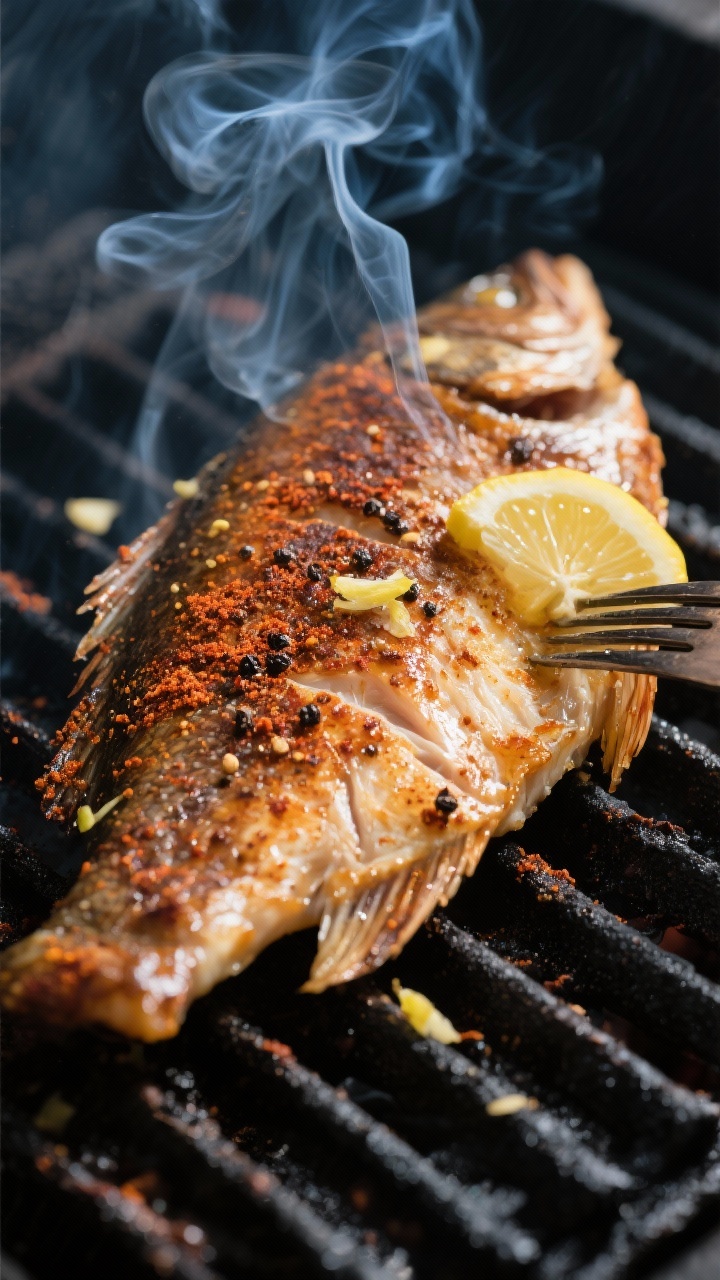
This recipe builds flavor in layers. A quick dry brine seasons the fish while drawing out moisture for better texture.
A spice rub adds savory depth, and a light brush of oil helps the smoke cling to the catfish. Gentle heat keeps the fish moist, while apple or hickory smoke infuses every bite. You end up with fillets that are juicy, flaky, and deeply flavorful.
Shopping List
- Catfish: 4 fillets (about 6–8 oz each), skin-on if possible
- Kosher salt
- Brown sugar
- Black pepper
- Smoked paprika (or sweet paprika plus a pinch of chipotle)
- Garlic powder
- Onion powder
- Cayenne pepper (optional, for heat)
- Lemon (zest and wedges for serving)
- Olive oil or neutral oil
- Fresh herbs (parsley or chives, optional garnish)
- Wood for smoking: apple, cherry, or hickory
Step-by-Step Instructions
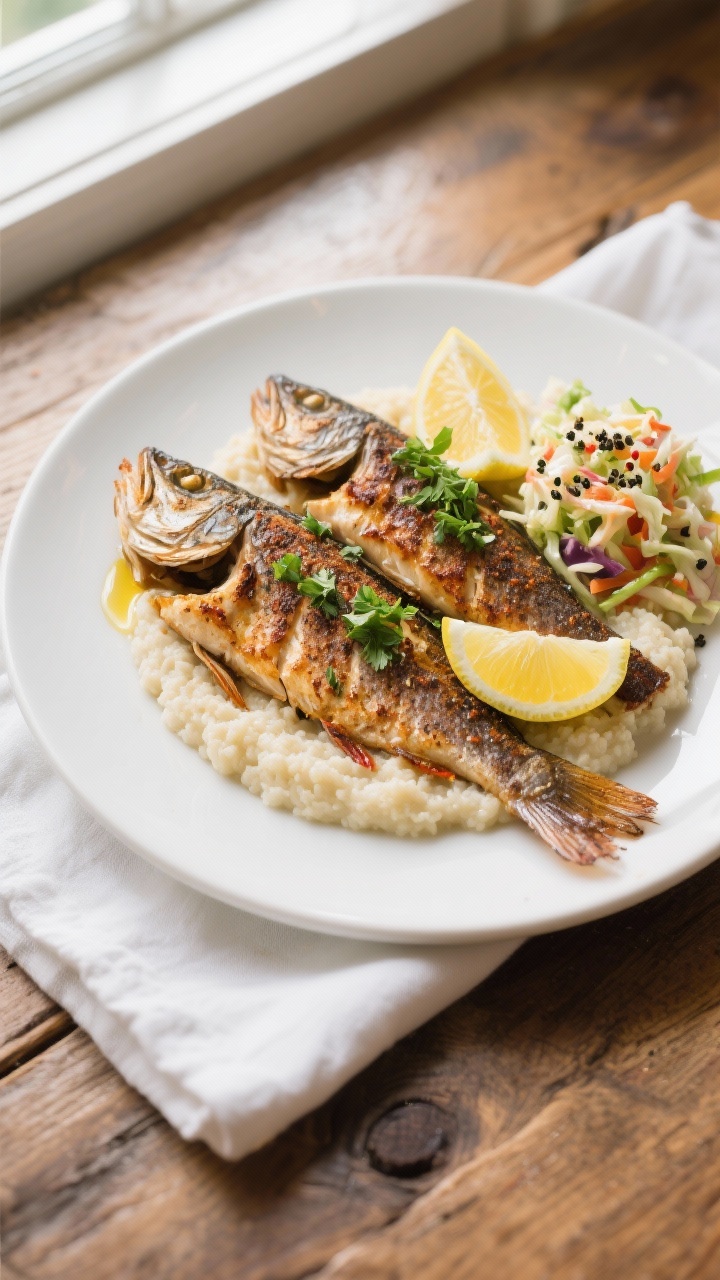
- Prep the fish: Pat the catfish dry with paper towels.
If there are pin bones, remove them with tweezers. Leave the skin on if you have it—it helps hold the fillets together.
- Dry brine: Mix 2 teaspoons kosher salt and 1 teaspoon brown sugar per pound of fish. Sprinkle evenly over both sides.
Set the fillets on a rack over a tray and chill, uncovered, for 30–45 minutes. This seasons the fish and firms up the flesh.
- Make the rub: In a small bowl, combine 1 teaspoon black pepper, 1 teaspoon smoked paprika, 1/2 teaspoon garlic powder, 1/2 teaspoon onion powder, a pinch of cayenne, and the zest of half a lemon. Adjust cayenne to taste.
- Rinse and dry (optional): If you prefer a lower-salt finish, lightly rinse the fillets under cold water after the dry brine, then pat very dry.
Otherwise, just blot well and continue.
- Oil and season: Brush fillets with a thin film of oil. Sprinkle the rub evenly on both sides. Press gently so it adheres.
- Set up your smoker: Preheat to 200–225°F (93–107°C).
Use apple or cherry wood for gentler smoke, or hickory for a stronger profile. Aim for clean, thin blue smoke, not thick white smoke.
- Smoke the catfish: Place the fillets on the grates, skin-side down if skin-on. Close the lid.
Smoke for 60–90 minutes, depending on thickness, until the internal temperature reaches 140–145°F (60–63°C) and the fish flakes with a fork.
- Lemon finish: Squeeze a little fresh lemon juice over the fish right off the smoker. Let rest 5 minutes to settle the juices.
- Serve: Garnish with chopped parsley or chives. Great with coleslaw, cornbread, grits, or a simple green salad.
- No smoker? Use a charcoal grill with a small pile of coals and wood chunks on one side.
Cook on the cool side with the lid closed, vents mostly open. In an oven, cook at 225°F with a smoker tube or liquid smoke brushed lightly into the oil (use sparingly).
How to Store
- Refrigerator: Cool completely. Store in an airtight container for up to 3 days.
- Freezer: Wrap portions tightly in plastic and foil, or vacuum seal.
Freeze up to 2 months. Thaw overnight in the fridge.
- Reheating: Warm gently at 275°F for 10–15 minutes, or flake cold into salads, tacos, or pasta. Avoid high heat, which can dry the fish.
Why This is Good for You
Catfish is a lean protein with essential B vitamins and minerals like phosphorus and selenium.
Smoking adds big flavor without heavy breading or frying. When you keep the temperature moderate and the rub simple, you get high protein, low saturated fat, and a satisfying meal that pairs easily with vegetables and whole grains.
What Not to Do
- Don’t oversalt: The dry brine is powerful. If your fillets are thin, shorten the brine time or skip rinsing only if you prefer a saltier bite.
- Don’t use thick white smoke: That leads to bitterness and a sooty taste.
Aim for steady, clean smoke.
- Don’t overcook: Catfish dries out fast past 145°F. Use a thermometer for accuracy.
- Don’t skip drying the surface: Moisture blocks smoke adhesion. Patting dry is key to better texture and flavor.
- Don’t pile on too much sugar: It can burn.
Keep it minimal in the rub.
Recipe Variations
- Cajun-Style: Use a Cajun spice blend with paprika, cayenne, thyme, oregano, and garlic. Finish with a squeeze of lemon and a dab of hot sauce.
- Honey-Lemon Glaze: In the last 10 minutes, brush with a mix of 1 tablespoon honey, 1 teaspoon lemon juice, and a pinch of black pepper.
- Herb and Citrus: Swap smoked paprika for lemon pepper. Add fresh dill or parsley after smoking.
- Maple-Chipotle: Blend 1 tablespoon maple syrup with 1/2 teaspoon chipotle powder and a little oil.
Brush during the last 10 minutes.
- Spicy Garlic: Mix extra garlic powder, red pepper flakes, and a touch of soy sauce into the oil before rubbing on.
- No-Sugar Rub: Skip brown sugar entirely and increase paprika and black pepper for a cleaner, savory profile.
FAQ
Can I use whole catfish instead of fillets?
Yes. Scale and clean it well, then score the thickest parts so the smoke penetrates. Whole fish will take longer—plan for 1.5 to 2.5 hours depending on size.
Cook to 145°F at the thickest point.
What wood is best for smoking catfish?
Apple and cherry are mild and slightly sweet, which suits catfish. Hickory adds a stronger, classic smoke flavor. Avoid mesquite for long smokes—it can turn harsh on delicate fish.
How do I keep the fish from sticking to the grates?
Start with clean, preheated grates, brush them with oil, and lightly oil the fish.
If you have skin-on fillets, place them skin-side down and don’t move them until they release easily.
Is farm-raised catfish okay for smoking?
Absolutely. It’s consistent in size and flavor, which makes it great for smoking. If it tastes muddy, a quick soak in milk for 20 minutes before brining can help mellow the flavor.
Can I make this recipe spicy?
Yes.
Increase cayenne, add chili powder or chipotle, and finish with hot sauce or sliced fresh chiles on top. Balance the heat with lemon or a light honey drizzle if you like.
What should I serve with smoked catfish?
Try coleslaw, grilled corn, potato salad, dirty rice, or creamy grits. For lighter sides, go with cucumber salad, steamed green beans, or a citrusy quinoa salad.
How do I know when the smoke is “clean”?
Clean smoke looks thin and almost bluish, with a subtle aroma.
Thick, billowy white smoke signals too much smoldering—open vents, dry your wood, and let the fire breathe.
Can I flake the smoked catfish for other dishes?
Yes. It’s great in tacos, fish cakes, smoked fish dip, pasta, or on toast with a squeeze of lemon and herbs. Chill it first if you want clean flakes.
What if I don’t have a thermometer?
Look for opaque flesh that flakes easily with light pressure from a fork.
The center should no longer look translucent. A thermometer is best, but these cues work in a pinch.
How do I avoid a muddy flavor?
Buy fresh fish from a reliable source. If needed, soak fillets in milk or buttermilk for 20–30 minutes, then pat dry before brining.
Clean, steady smoke and lemon at the end also help.
In Conclusion
Smoked catfish is simple to make, easy to customize, and loaded with deep, savory flavor. With a short dry brine, a balanced rub, and steady low heat, you’ll get moist, flaky fillets every time. Serve it hot off the smoker or chilled the next day—it’s delicious either way.
Keep the smoke clean, the temperature gentle, and the seasoning confident, and you’ll have a new go-to fish recipe.