This lemon pepper catfish is the kind of weeknight recipe that feels special without any stress. It’s light, flavorful, and ready in under 30 minutes. The lemon brings a clean brightness, the cracked black pepper adds a little bite, and the butter rounds it all out.
You can pan-sear it or bake it, and it works with fresh or frozen fillets. Serve it with rice, salad, or a simple vegetable, and dinner is done.
What Makes This Special
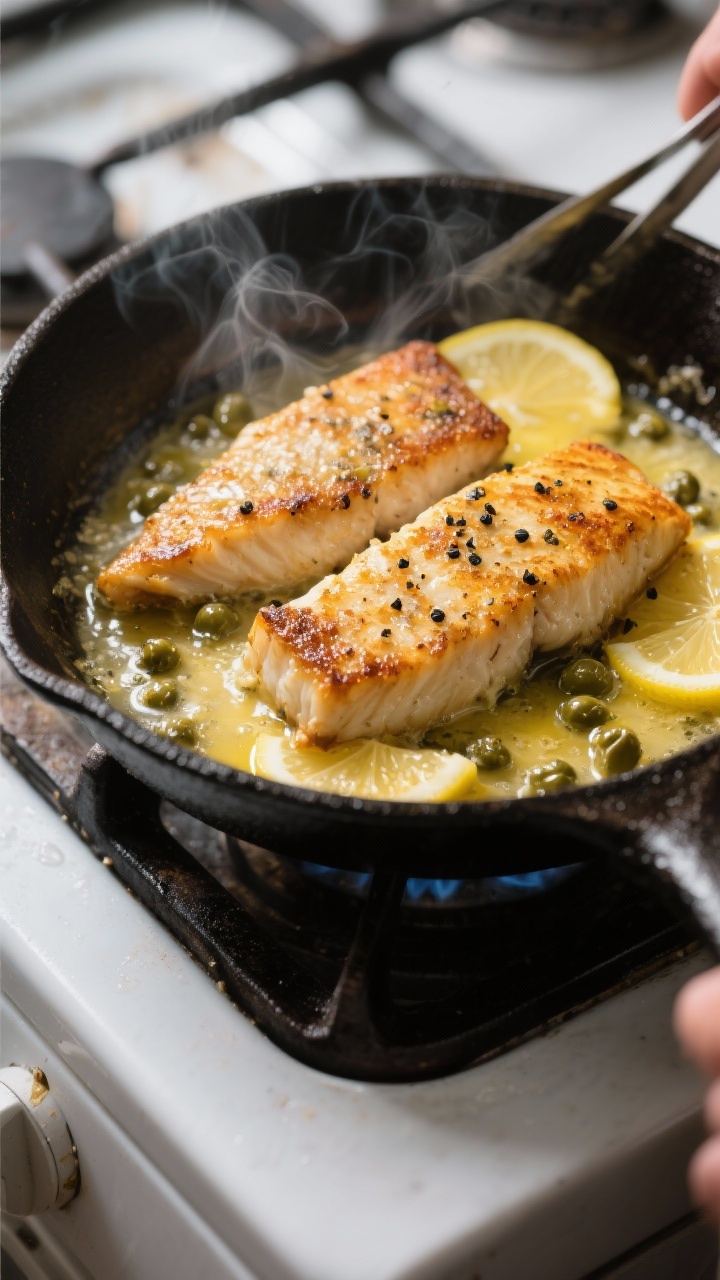
Lemon pepper and catfish are a natural pairing: the citrus cuts through the richness of the fish, and the pepper gives it personality. This recipe keeps things simple, with a short ingredient list and quick cooking time.
It’s versatile, too—easy enough for a busy Tuesday, but polished enough for guests. You’ll get a golden crust, a fragrant lemon-butter sauce, and tender, flaky fish every time.
Ingredients
- 4 catfish fillets (about 5–6 ounces each), patted dry
- 2 tablespoons olive oil
- 2 tablespoons unsalted butter
- Zest of 1 lemon
- 2 tablespoons fresh lemon juice (plus extra lemon wedges for serving)
- 1 to 1½ teaspoons freshly cracked black pepper (adjust to taste)
- 1 teaspoon kosher salt
- 1 teaspoon garlic powder
- 1 teaspoon onion powder
- 1 tablespoon fresh parsley, chopped (optional)
- 1 tablespoon capers, drained (optional for tangy pop)
- 2 tablespoons all-purpose flour or fine cornmeal (optional, for light crust)
Step-by-Step Instructions
- Prep the fillets. Pat the catfish dry on both sides with paper towels. Dry fish sears better and browns beautifully.
- Season generously. In a small bowl, mix salt, black pepper, garlic powder, onion powder, and lemon zest.
Sprinkle evenly over both sides of the fillets. If you want a light crust, dust each fillet with flour or fine cornmeal and shake off the excess.
- Preheat your pan. Set a large skillet over medium-high heat and add the olive oil. Let it get hot until it shimmers—this helps prevent sticking.
- Sear the catfish. Lay the fillets in the pan, presentation side down.
Cook without moving them for 3–4 minutes until golden at the edges and easy to lift. Flip carefully and cook another 2–3 minutes, depending on thickness.
- Add butter and lemon. Drop in the butter and let it melt. Spoon in the lemon juice (and capers, if using).
Tilt the pan and baste the fish with the lemon-butter for 30–60 seconds. The sauce should smell bright and buttery.
- Check for doneness. The fish should flake easily with a fork and be opaque throughout. If using a thermometer, look for about 145°F at the thickest part.
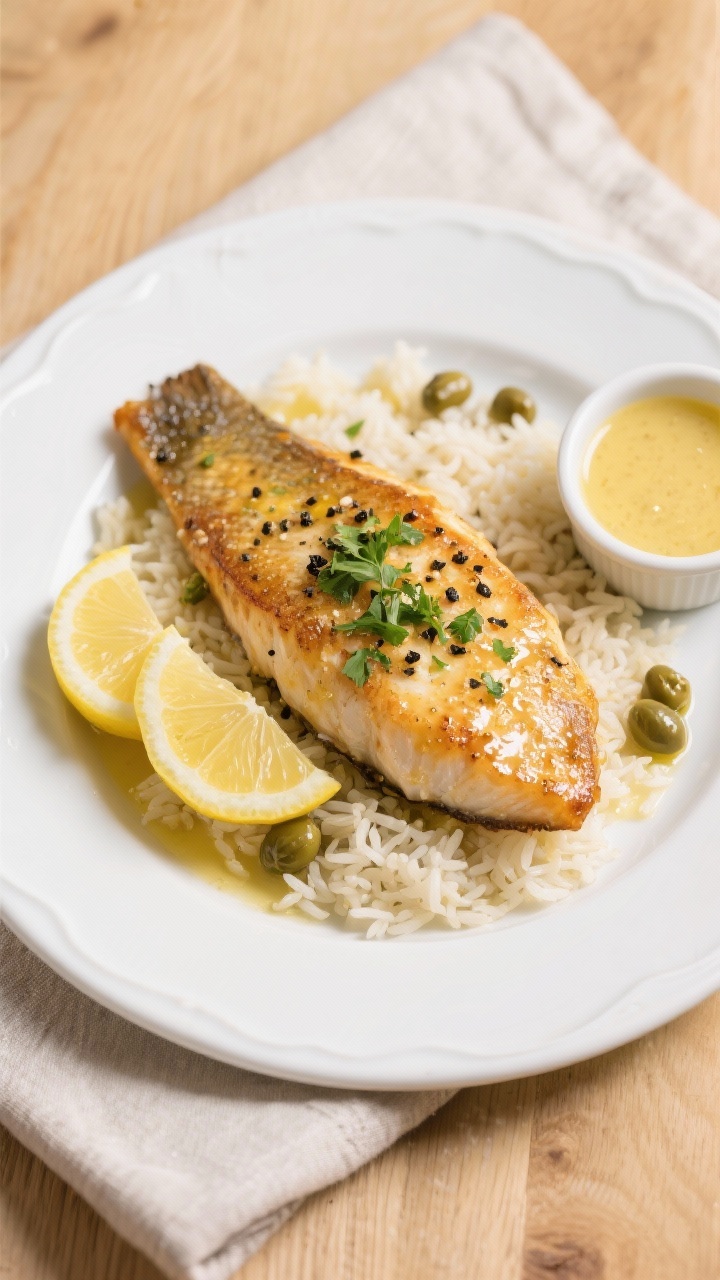
- Finish and serve. Transfer fillets to plates, spoon the pan sauce over the top, and finish with parsley and extra black pepper.
Serve with lemon wedges.
Storage Instructions
- Refrigerate: Cool completely, then store in an airtight container for up to 2 days.
- Reheat: Warm gently in a skillet over low heat with a splash of water or broth. Avoid microwaving on high; it can make the fish tough.
- Freeze: Cooked catfish can be frozen for up to 2 months, but texture is best fresh. Wrap tightly and thaw overnight in the fridge before reheating.
- Leftover ideas: Flake into tacos, toss with lemony pasta, or layer over salad with a light vinaigrette.
Health Benefits
- Lean protein: Catfish is a good source of high-quality protein without heavy saturated fat.
- Omega-3s and micronutrients: While lower in omega-3s than fatty fish, catfish still offers healthy fats plus B vitamins, selenium, and phosphorus.
- Light preparation: Pan-searing with olive oil and finishing with a modest amount of butter keeps flavor big and calories reasonable.
- Fresh lemon: Adds brightness without added sugar, and the zest delivers intense flavor with no extra fat.
Pitfalls to Watch Out For
- Overcooking: Catfish cooks fast.
Pull it as soon as it flakes and is opaque. Overcooked catfish turns dry and rubbery.
- Wet fillets: Skipping the pat-dry step leads to steaming instead of searing, and you’ll miss the golden crust.
- Not enough heat: A cool pan causes sticking and pale fish. Preheat until the oil shimmers.
- Under-seasoning: Lemon and pepper need salt to shine.
Taste and adjust, especially if serving with plain sides.
- Old spices: Stale black pepper tastes flat. Freshly cracked pepper makes a huge difference.
Variations You Can Try
- Oven-baked: Place seasoned fillets on a lightly oiled sheet pan. Bake at 400°F for 10–12 minutes, then spoon over melted butter and lemon juice.
- Cajun lemon pepper: Add 1 teaspoon Cajun seasoning to the spice blend for smoky heat.
- Herb-crusted: Mix panko with lemon zest, parsley, and a drizzle of olive oil.
Press onto fillets and bake until crisp.
- Grilled: Brush with oil, season, and grill over medium heat 3–4 minutes per side. Finish with lemon-butter off the heat.
- Dairy-free: Skip the butter and finish with extra-virgin olive oil and a splash of white wine or vegetable broth.
- Gluten-free: Use fine cornmeal or rice flour instead of all-purpose flour for the light crust.
- Caper and dill: Stir capers and chopped dill into the pan at the end for a briny, fresh finish.
FAQ
Can I use frozen catfish?
Yes. Thaw completely in the fridge, then pat very dry.
Frozen fillets often hold more moisture, so take extra care drying to get a good sear.
What if I can’t find catfish?
Mild, flaky white fish like tilapia, swai, trout, or cod will work. Adjust cook time based on thickness, and use the same lemon-pepper profile.
How do I keep the fish from sticking?
Use a well-heated pan, enough oil, and don’t move the fish too soon. Once a crust forms, it releases on its own.
A nonstick or well-seasoned cast iron pan also helps.
Is bottled lemon juice okay?
Fresh lemon tastes brighter and cleaner. If you use bottled, start with a little less and adjust to taste—some brands can be sharp or bitter.
Can I make this without butter?
Absolutely. Finish with olive oil for a lighter, dairy-free version.
You can also add a splash of broth to create a quick pan sauce.
How spicy is it?
The heat mainly comes from black pepper. Use 1 teaspoon for mild, up to 1½–2 teaspoons for a bolder kick. You can also add a pinch of red pepper flakes.
What sides go well with lemon pepper catfish?
Try rice pilaf, garlic green beans, roasted asparagus, coleslaw, a simple salad, or creamy grits.
The bright sauce pairs well with neutral, comforting sides.
Can I meal-prep this?
It’s best fresh, but it can work for meal prep. Cook slightly under, cool quickly, and reheat gently. Pair with grains and lemony vegetables to keep it vibrant.
Do I need to brine the fish?
Not necessary, but a quick 10-minute brine (3 cups water + 3 tablespoons salt) can season and firm the fillets.
Rinse and dry well before cooking.
How do I know when it’s done without a thermometer?
Look for opaque flesh that flakes easily with a fork. The center should no longer be translucent, and the fillet should spring back lightly when pressed.
Final Thoughts
Lemon pepper catfish is a reliable, bright, and satisfying recipe that never feels heavy. With a few pantry spices, fresh lemon, and a quick sear, you get big flavor in minutes.
Keep the steps simple, don’t overthink the sauce, and let the lemon and pepper do the work. Serve it hot, add your favorite side, and enjoy a meal that’s easy and genuinely delicious.