Perch is a fast-cooking, delicate fish that turns out flaky and flavorful with just a few simple steps. If you’re craving a light, satisfying dinner that doesn’t take much effort, this is a great place to start. You don’t need fancy tools or complicated techniques—just fresh fillets, a hot pan, and a few pantry basics.
This guide covers the best method for pan-searing perch, plus helpful tips to keep it juicy and crisp. You’ll also find variations, storage advice, and answers to common questions so you can cook with confidence.
What Makes This Special
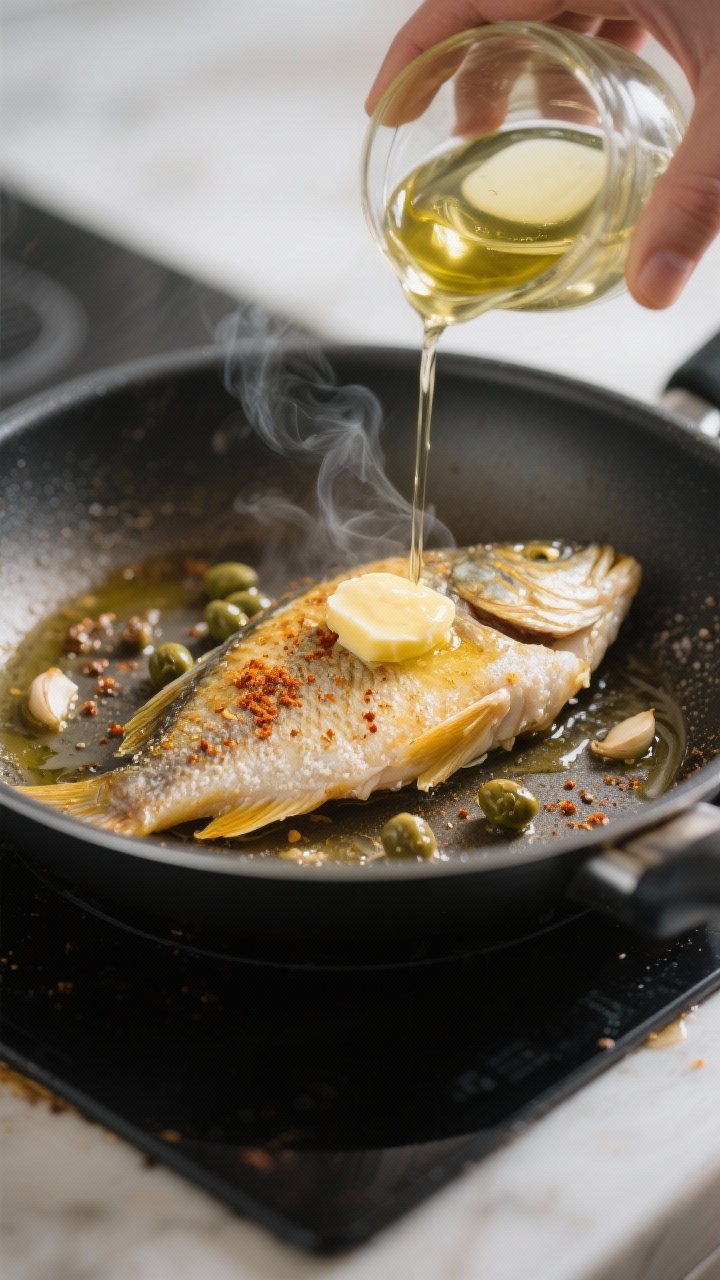
Pan-seared perch is quick, forgiving, and naturally tasty. The fillets are thin, so they cook in minutes and take on flavor without heavy sauces.
The mild taste pairs well with lemon, butter, and herbs, making it a crowd-pleaser even for fish skeptics. With a hot pan and a light dredge, you get golden edges and a tender, flaky interior every time.
Shopping List
- Perch fillets (about 1 to 1.5 pounds), skin-on if available
- All-purpose flour (for a light dredge; optional but recommended)
- Salt and black pepper
- Garlic powder or finely minced garlic
- Paprika (sweet or smoked)
- Olive oil or a neutral high-heat oil
- Butter (for finishing)
- Lemon (zest and wedges for serving)
- Fresh herbs like parsley, dill, or chives
- Optional add-ins: capers, white wine, chili flakes
Instructions
- Pat the fish dry. Use paper towels to remove surface moisture from both sides. Dry fish browns better and won’t steam in the pan.
- Season simply. Sprinkle salt, pepper, a pinch of paprika, and a light dusting of garlic powder on both sides.
Keep it gentle—perch is delicate and doesn’t need much.
- Light dredge (optional but helpful). Dust the fillets in flour and tap off the excess. This creates a thin crust that crisps up nicely and helps prevent sticking.
- Preheat the pan well. Set a large nonstick or well-seasoned skillet over medium-high heat. Add 1–2 tablespoons of oil and heat until it shimmers.
A hot pan is key to golden fish.
- Lay fillets in, skin-side down if skin-on. Place them away from you to avoid splatter. Don’t crowd the pan—work in batches if needed.
- Let it sear undisturbed. Cook 2–3 minutes for thin fillets. You’ll see the edges turn opaque and lightly golden.
Don’t poke or flip early.
- Flip gently and finish with butter. Turn the fillets carefully. Add a small knob of butter to the pan and baste the fish for another 1–2 minutes, until just cooked through and flaky.
- Brighten with lemon and herbs. Zest a little lemon over the fillets, squeeze a wedge on top, and scatter chopped parsley or dill. Taste and adjust seasoning.
- Optional quick pan sauce. Remove the fish, then add a splash of white wine, a few capers, and a bit more butter to the pan.
Simmer 30–60 seconds, scraping up browned bits. Spoon over the fish.
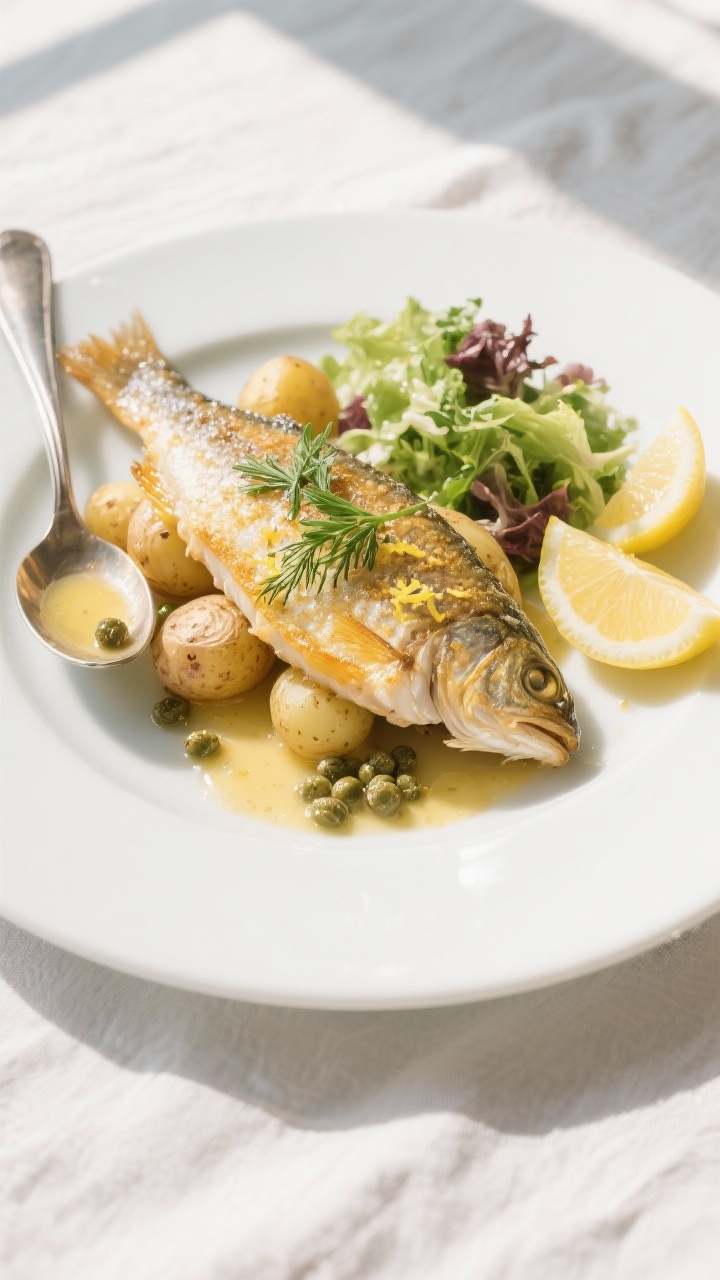
- Serve right away. Perch is best hot, with a simple side like steamed potatoes, rice, or a crisp salad.
Keeping It Fresh
Freshness starts at the store. Look for fillets that are moist, firm, and smell clean.
If possible, buy the fish the same day you plan to cook it. At home, keep it on ice in the fridge and cook within 24 hours.
Leftover cooked perch keeps 1–2 days in an airtight container in the fridge. Reheat gently in a skillet over low heat with a splash of water or a little butter to prevent drying.
Avoid the microwave if you can—it can overcook thin fillets quickly.
Benefits of This Recipe
- Fast: From pan to plate in under 15 minutes.
- Light and flavorful: Clean taste with a crispy edge and bright lemon finish.
- Flexible: Works with fresh or thawed fillets and simple pantry ingredients.
- Beginner-friendly: Clear steps and forgiving cook times.
- Easy to pair: Complements vegetables, grains, or a simple salad.
What Not to Do
- Don’t start with a cold pan. You’ll get pale, soggy fish and sticking.
- Don’t over-season. Heavy spice blends can overpower perch’s delicate flavor.
- Don’t overcrowd the pan. The fish will steam instead of sear. Cook in batches.
- Don’t overcook. Thin fillets go from perfect to dry fast. Pull them as soon as they flake easily.
- Don’t skip drying the fish. Moisture is the enemy of browning and crisp edges.
Variations You Can Try
- Lemon-caper style: Finish with butter, capers, lemon juice, and parsley.
- Smoky paprika crust: Mix flour with smoked paprika, a pinch of cayenne, and garlic powder before dredging.
- Herb-crusted: Combine panko with chopped dill, parsley, and lemon zest.
Press lightly onto seasoned fillets and sear, then finish in a 375°F (190°C) oven for a few minutes.
- Brown butter and almonds: Toast sliced almonds in butter until golden, add a squeeze of lemon, and spoon over the fish.
- Garlic-chili: Add minced garlic and chili flakes to the butter at the end for a little heat.
FAQ
How do I know when perch is done?
The flesh turns opaque and flakes easily with a fork. For thin fillets, that’s usually 3–5 minutes total. If you use a thermometer, aim for about 130–135°F in the thickest part, then rest briefly.
Can I use frozen perch?
Yes.
Thaw overnight in the fridge or under cold running water in a sealed bag. Pat very dry before cooking to avoid splatter and ensure good browning.
What’s the best pan for cooking perch?
A nonstick skillet is the easiest for delicate fish. A well-seasoned cast iron or stainless pan also works if you preheat thoroughly and use enough oil.
Do I need the flour dredge?
No, but it helps with crispness and reduces sticking.
If you’re gluten-free, use rice flour or skip it and focus on a well-heated pan.
How do I keep the fillets from falling apart?
Start with dry fish, use a hot pan, and don’t move the fillets until they release naturally. Flip once, gently, with a thin fish spatula.
What sides go well with perch?
Try roasted baby potatoes, lemony green beans, a simple couscous, or a crunchy slaw. Keep sides bright and fresh to match the fish.
Can I bake perch instead of pan-searing?
Yes.
Place seasoned fillets on a lightly oiled sheet, drizzle with butter or olive oil, and bake at 400°F (200°C) for 8–10 minutes, depending on thickness. Finish with lemon and herbs.
Is perch the same as walleye?
No, but they’re similar in texture and mild flavor. You can use this same method for walleye, tilapia, or cod—just adjust timing for thicker cuts.
Final Thoughts
Cooking perch fillets at home is simple, quick, and rewarding.
With a hot pan, light seasoning, and a squeeze of lemon, you’ll get restaurant-quality results in minutes. Keep the steps easy, trust the visual cues, and don’t overthink it. Once you’ve nailed the basics, try a variation or two and make it your own.