You feel that scratchy throat, your nose starts plotting against you, and your stomach does that weird flip. Do you reach for a neon-colored cough syrup? Or do you play it smart and go for something simple that actually tastes good? Honey lemon ginger tea steps in like a tiny superhero in a mug. It’s soothing, zesty, and yes, it can help you feel human again.
Why This Simple Tea Works
Your grandma didn’t hype honey-lemon-ginger for nothing. Each ingredient brings a legit benefit to the party, and together they make a gentle, comforting drink that supports your body when it throws a tantrum.
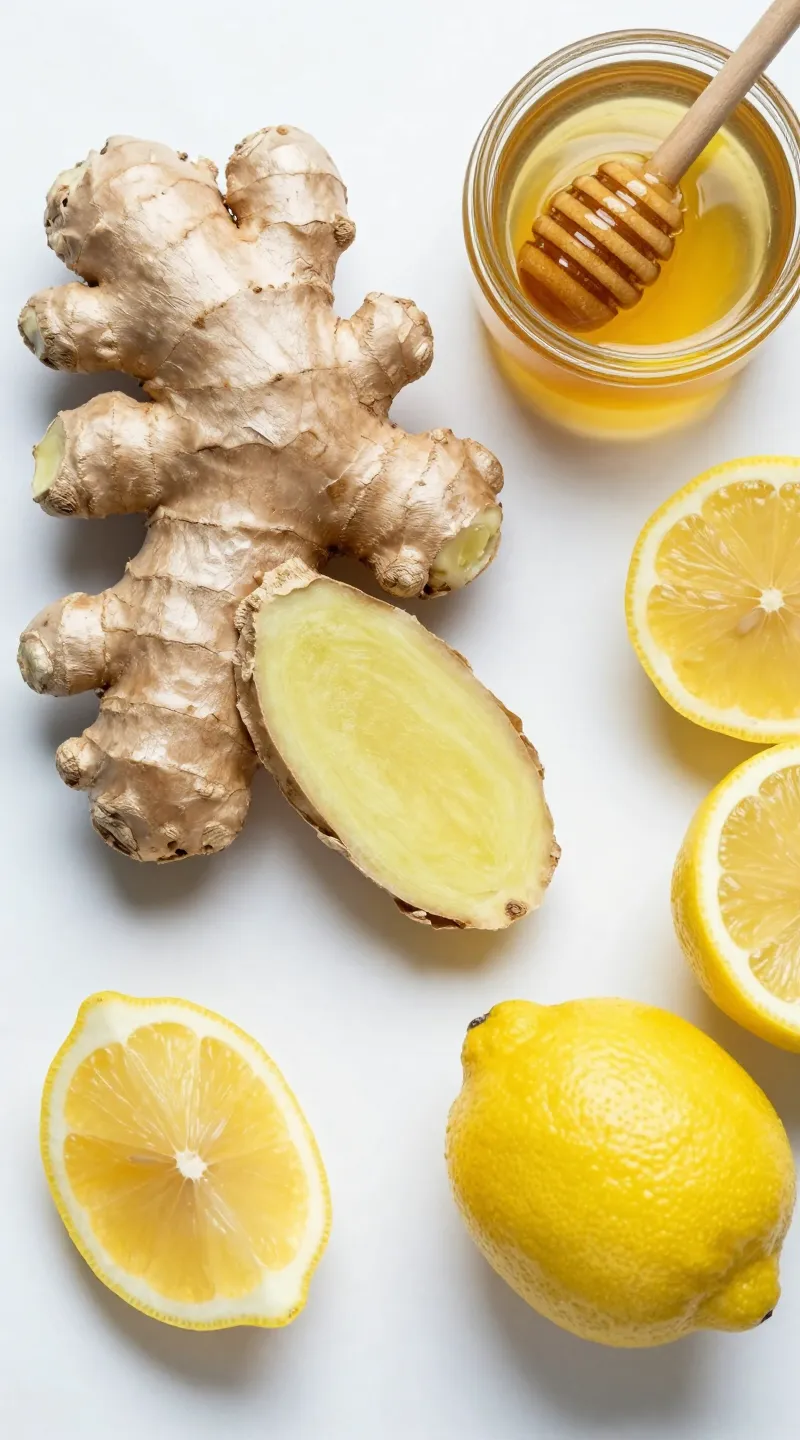
- Ginger: It calms your stomach, eases nausea, and supports digestion. It also warms you from the inside out. Cozy vibes, incoming.
- Lemon: It brings vitamin C and bright acidity that cuts through phlegm. Plus, it makes the tea taste refreshing instead of medicinal.
- Honey: It coats a sore throat like a warm blanket and adds natural sweetness. Bonus: some antimicrobial properties.
You don’t need a degree in herbology to make it work. You just need hot water and a few kitchen basics.
How to Make the Perfect Cup
Let’s keep it simple. No special equipment, no complicated steps, no stress.
- Boil water. About 1 cup per serving.
- Slice fresh ginger (4–6 thin slices) and add to a mug.
- Pour in hot water and steep 5–7 minutes. You want it zingy, not nuclear.
- Add juice from half a lemon.
- Stir in 1–2 teaspoons honey. Taste and adjust.
Want it stronger? Simmer the ginger on the stove for 10 minutes before adding lemon and honey. You’ll get deeper flavor and more warmth.
Pro Tips for Flavor and Function
- Don’t boil the honey: Add it after steeping to keep those beneficial compounds intact.
- Use fresh ginger: Powder works in a pinch, but fresh root tastes brighter and feels more soothing.
- Balance is key: Too much lemon can be harsh on an empty stomach. Start small and adjust.
When to Reach for It

This tea shines during cold season, but it also does everyday heavy lifting.
- Early cold symptoms: Scratchy throat, mild cough, that “uh-oh” feeling.
- After a big meal: Ginger helps digestion and reduces that bloated, “why did I eat that” feeling.
- Travel days: Ginger reduces nausea and helps you feel steady.
- Afternoon slump: Lemon perks you up without caffeine jitters.
Cold Care Routine
Drink a cup in the morning and another before bed. Sip slowly. Breathe the steam. Add an extra teaspoon of honey if your throat feels rough. And yep, hydrate throughout the day—tea doesn’t replace water entirely.
Customize Your Mug Like a Pro
Let’s play with flavors. You can keep it classic or build your dream cup.
- Spice it up: Add a cinnamon stick or a few whole cloves while steeping.
- Herbal boost: Toss in fresh mint or a pinch of turmeric. Black pepper wakes up turmeric, FYI.
- Chill version: Brew strong, cool it down, pour over ice. Great for summer digestion support.
- Extra soothing: Add a splash of apple cider vinegar (½–1 tsp) for tang and a little gut love.
- Tea base: Steep with green tea or chamomile for more calm or lift. IMO, chamomile + honey = bedtime bliss.
Sweeteners and Alternatives
If honey isn’t your thing, use maple syrup, agave, or even a stevia drop. Keep the sweetness moderate—too much sugar doesn’t help congestion.
What the Ingredients Actually Do
No magic potions here—just smart, well-studied plants doing their thing.
- Ginger: Contains gingerols and shogaols that support digestion and reduce nausea. It’s warming, which helps circulation and that chilled-to-the-bone feeling.
- Lemon: Brings vitamin C and acidity that can cut through mucus. The aroma feels bright and uplifting when you’re under the weather.
- Honey: Coats the throat, soothes cough, and adds antimicrobial support. Darker honeys (like buckwheat) often feel richer and more soothing.
Will it cure a cold? No. But it can reduce discomfort, support hydration, and help you rest. That’s basically the recovery trifecta.
Common Mistakes to Avoid
We’ve all done at least one of these. Consider this your gentle nudge.
- Oversteeping ginger: It gets bitter and spicy enough to scare your taste buds. Keep it under 10 minutes unless you like punishment.
- Adding lemon to boiling water: Let it cool for a minute before adding lemon and honey. You preserve flavor and goodness.
- Chugging on an empty stomach: Lemon + strong ginger sometimes hits hard. Eat a snack first if you’re sensitive.
- Using bottled lemon juice: Fresh lemon tastes brighter and more balanced. The difference is real.
Make-Ahead Hacks
- Ginger prep: Slice a whole root and freeze the slices. Grab a few whenever you need them.
- Concentrate: Simmer a pot with lots of ginger for 15 minutes. Store in the fridge for 3–4 days. Reheat a cup, add lemon and honey, done.
- Work stash: Keep a jar of honey, a clean spoon, and a few lemon wedges at the office. Future you will say thanks.
Who Should Be Careful
It’s a gentle drink, but a few caveats matter.
- Reflux or sensitive stomach: Ginger and lemon can irritate some people. Go milder, add more water, or skip lemon.
- Blood thinners: Ginger may interact with high doses. Keep portions normal and check with your clinician if unsure.
- Diabetes: Honey counts as sugar. Adjust sweetness or use a substitute.
- Kids under 1 year: No honey. Use maple syrup if needed.
Signs You’ve Nailed It
- Your throat feels soothed after a few sips.
- Your nose opens up a little from the steam and acidity.
- Your stomach calms down instead of protesting.
- You actually want a second cup. Always a good sign.
FAQ
Can I use powdered ginger instead of fresh?
Yes. Use 1/4 to 1/2 teaspoon ground ginger per cup. It tastes a bit different—more one-note—but it still brings warmth and digestive support. Stir well since powder can settle.
Does it help with sore throat and cough?
It won’t cancel a virus, but honey coats your throat, lemon cuts mucus, and ginger relaxes that tight, irritated feeling. Many people notice less coughing after a warm, honeyed cup, especially before bed.
How many cups per day is safe?
For most adults, 2–3 cups spread through the day works great. If you feel heartburn or stomach irritation, dial back the ginger or lemon. Listen to your body—it’s pretty chatty when something feels off.
Can I drink it cold?
Totally. Brew it strong, cool it, then pour over ice with extra lemon slices. It still supports digestion, though the warm version feels more soothing for colds.
What’s the best honey to use?
Use what you like and what you have. Darker honeys like buckwheat or manuka taste richer and feel extra soothing, IMO. Just keep it raw if possible and add it after the water cools slightly.
Is this okay before bed?
Yes, if you avoid caffeine add-ins. Chamomile pairs well at night. Just go easy on lemon if acid bothers you when you lie down.
Wrap-Up: A Mug of Comfort That Pulls Its Weight
Honey lemon ginger tea won’t perform miracles, but it absolutely delivers comfort and support when you feel sniffly, stressed, or too full. It’s cheap, easy, and customizable, which makes it my go-to “I’ve got you” drink. Brew a cup, breathe the steam, and let the warmth do its thing—simple, soothing, effective. FYI, you might even start craving it on good days too.