This is the kind of sauce that fills your kitchen with a cozy, tomato-and-garlic aroma and makes everyone ask what’s cooking. It’s simple, deeply flavorful, and built from pantry ingredients you probably already have. No fancy tricks—just slow simmering and a few smart steps that bring out the best in tomatoes.
Whether you’re cooking for a weeknight dinner or Sunday family meal, this sauce has your back. Make it once, and you’ll want to keep a batch on hand at all times.
What Makes This Special
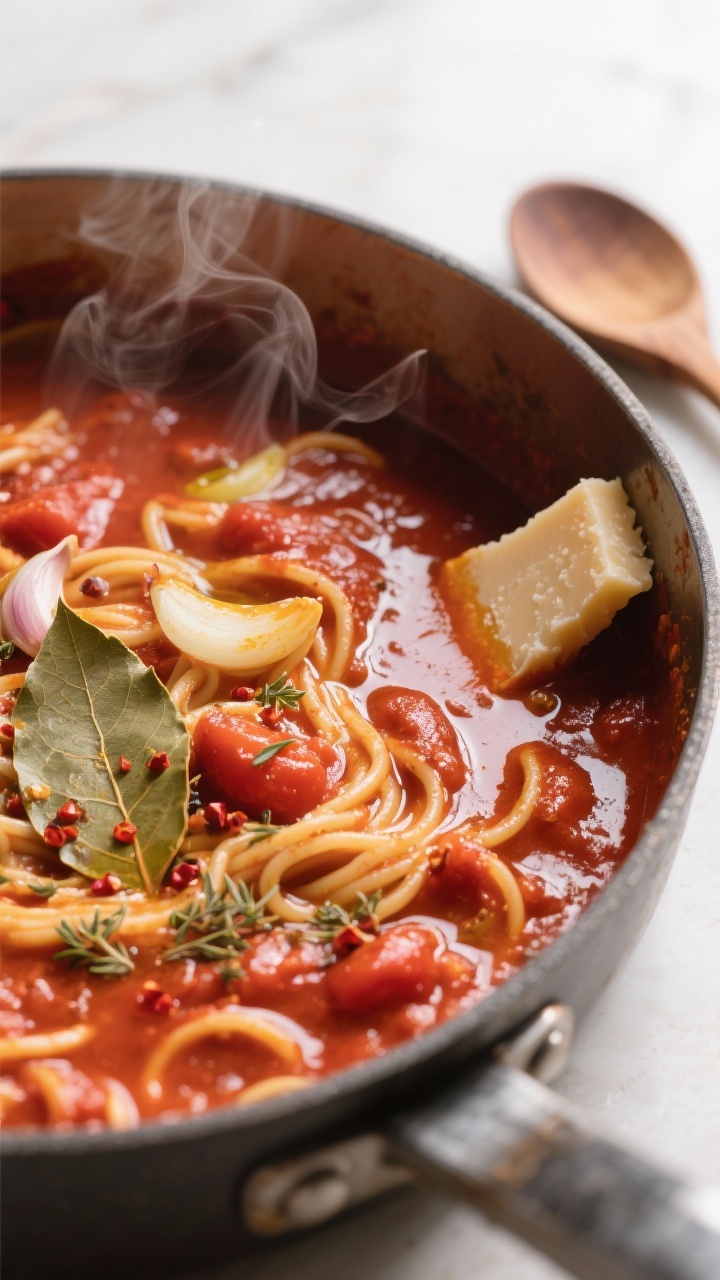
- Balanced flavors: Sweetness from tomatoes, warmth from garlic and onion, and a gentle kick from red pepper flakes.
- Slow-simmered richness: A low, steady simmer brings out a velvety texture and a cooked-all-day taste.
- Restaurant-quality, home effort: You’ll get depth and body without tricky techniques.
- Flexible foundation: Add meat, veggies, or keep it purely vegetarian. It’s your call.
- Freezer-friendly: Make a big pot and stash portions for quick, weeknight meals.
Ingredients
- 2 tablespoons extra-virgin olive oil
- 1 medium yellow onion, finely chopped
- 5 cloves garlic, finely sliced or minced
- 2 tablespoons tomato paste
- 2 cans (28 ounces each) whole peeled San Marzano tomatoes, crushed by hand or pulsed
- 1 teaspoon sugar (optional, to balance acidity)
- 1 teaspoon kosher salt, plus more to taste
- 1/2 teaspoon freshly ground black pepper
- 1/2 teaspoon red pepper flakes (adjust to taste)
- 1 teaspoon dried oregano
- 1 teaspoon dried basil (or 6–8 fresh basil leaves, torn, added at the end)
- 1 bay leaf
- 1 small Parmesan rind (optional, for depth)
- 2 tablespoons unsalted butter (optional, for silkiness)
- Fresh basil and grated Parmesan, for serving
Step-by-Step Instructions
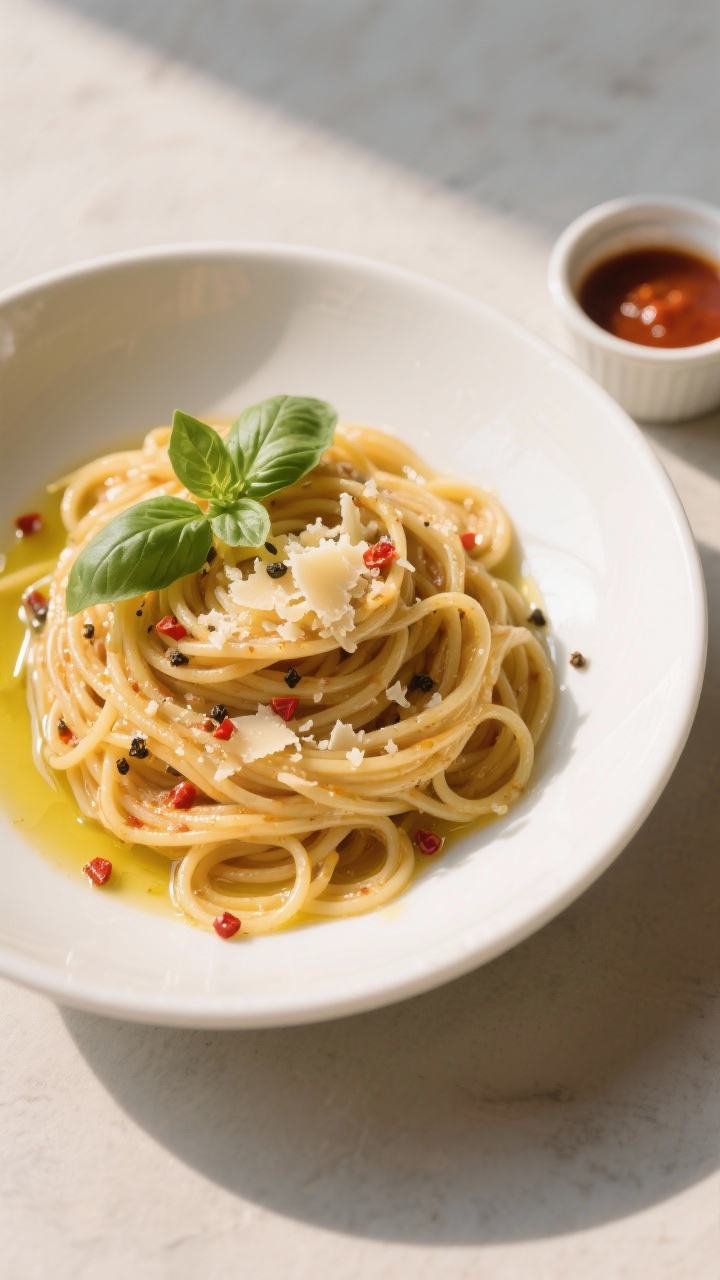
- Warm the oil: Set a large, heavy-bottomed pot over medium heat.
Add olive oil and let it shimmer.
- Soften aromatics: Add onion and a pinch of salt. Cook 6–8 minutes, stirring, until translucent and lightly golden. Add garlic and cook 1 minute until fragrant.
- Toast the tomato paste: Stir in tomato paste and cook 2–3 minutes.
It should darken slightly; this deepens the sauce’s flavor.
- Add tomatoes and seasonings: Pour in crushed tomatoes. Stir in sugar (if using), salt, pepper, red pepper flakes, oregano, dried basil, and bay leaf. Add the Parmesan rind if you have one.
- Simmer low and slow: Bring to a gentle simmer, then reduce heat to low.
Partially cover and cook 45–75 minutes, stirring occasionally. The sauce will thicken and the oil may rise slightly to the top—this is good.
- Finish the texture: For a smoother sauce, use an immersion blender for a few short pulses. For rustic style, leave it chunky.
- Round out the flavor: Remove bay leaf and Parmesan rind.
Stir in butter for a velvety finish. Taste and adjust salt, pepper, and heat.
- Add fresh basil: If using fresh basil, stir it in right before serving to keep the flavor bright.
- Toss with pasta: Reserve a cup of starchy pasta water. Combine sauce and cooked spaghetti over low heat, adding splashes of pasta water to help the sauce cling.
Finish with grated Parmesan and a drizzle of olive oil.
How to Store
- Refrigerator: Cool completely and store in an airtight container for up to 5 days.
- Freezer: Portion into freezer-safe containers or zip bags. Freeze for up to 3 months. Lay bags flat to save space.
- Reheating: Warm gently on the stove over low heat, adding a splash of water if it’s too thick.
Stir occasionally.
- Meal prep tip: Freeze in single-meal portions so you only thaw what you need.
Health Benefits
- Tomatoes are nutrient-dense: Rich in lycopene, vitamin C, potassium, and antioxidants that support heart health.
- Olive oil adds healthy fats: Extra-virgin olive oil provides monounsaturated fats and polyphenols.
- Controlled sodium and sugar: Homemade sauce lets you decide how much salt or sugar to use.
- Fiber-friendly: Pairing this sauce with whole-grain pasta or veggies boosts fiber for digestion and fullness.
Common Mistakes to Avoid
- Rushing the simmer: Quick boils produce sharp acidity. Gentle, longer simmering builds sweetness and depth.
- Skipping the tomato paste step: Toasting paste develops savory notes that canned tomatoes alone can’t deliver.
- Over-blending: Pureeing until foamy can dull the flavor and make the sauce too uniform. Pulse lightly.
- Under-seasoning: Salt in stages—onions early, then adjust at the end.
Tomatoes need enough salt to shine.
- Adding fresh herbs too soon: Fresh basil loses aroma if cooked too long. Stir it in at the finish.
Alternatives
- Meat sauce (ragù-style): Brown 1 pound of ground beef, pork, or Italian sausage after softening the onion. Drain excess fat, then proceed.
- Vegetable-packed: Add finely diced carrots, celery, or mushrooms with the onions for extra body and sweetness.
- Wine-kissed: Deglaze with 1/2 cup dry red wine after toasting tomato paste.
Simmer 2–3 minutes before adding tomatoes.
- Dairy-free richness: Skip butter and finish with a drizzle of good olive oil.
- Spicy arrabbiata: Increase red pepper flakes to 1–1.5 teaspoons and add a minced fresh chili.
- Herb-forward: Swap dried oregano/basil for fresh thyme and parsley added near the end.
FAQ
Can I use crushed or diced tomatoes instead of whole?
Yes. Whole peeled San Marzano tomatoes usually have the best flavor, but crushed tomatoes work well for a smoother texture. If using diced, simmer a bit longer to break them down.
How do I cut the acidity without sugar?
A small knob of butter or a splash of milk can soften acidity.
You can also finely grate a small carrot and cook it with the onion for natural sweetness.
How long should I simmer the sauce?
Aim for at least 45 minutes, but 60–90 minutes gives better depth. Keep it at a gentle bubble and stir here and there to prevent sticking.
Is this sauce gluten-free?
The sauce itself is naturally gluten-free. Just pair it with gluten-free pasta or zucchini noodles to keep the whole meal gluten-free.
What if my sauce is too thick?
Add a little water, broth, or pasta cooking water to loosen it.
Do this gradually so you don’t dilute the flavor too much.
What if my sauce is too thin?
Simmer uncovered to reduce and concentrate. A tablespoon of tomato paste can also help thicken while boosting flavor.
Can I make it in a slow cooker?
Yes. Sauté the onion, garlic, and tomato paste first on the stove, then transfer everything to a slow cooker and cook on low for 6–8 hours.
How much sauce does this make?
You’ll get about 6–7 cups, enough for roughly 1.5–2 pounds of pasta depending on how saucy you like it.
Can I add fresh tomatoes?
Absolutely.
Use 3–4 pounds of ripe tomatoes, peel if desired, and cook a bit longer to concentrate the flavor. A mix of fresh and canned works nicely.
What pasta shapes pair well?
Spaghetti is classic, but linguine, penne, and rigatoni all hold the sauce beautifully. Save a splash of pasta water to help everything come together.
In Conclusion
A great spaghetti sauce doesn’t need complicated steps—just quality tomatoes, patient simmering, and a few simple finishes.
This recipe is rich, flexible, and friendly for busy nights or slow Sundays. Make a double batch, freeze some, and future you will be very happy. Serve with a shower of Parmesan, a few basil leaves, and warm bread on the side.
That’s comfort in a bowl.