Ever walked past a bakery and smelled that freshly baked French bread, all golden crust and pillowy center, and thought, “I wish I could make that at home”? Yeah, I’ve been there. The good news? You totally can, and it’s easier than you think. I’ve spent countless weekends experimenting with recipes, tweaking water ratios, and perfecting baking times, and finally landed on a method that gives crispy crusts and soft, airy interiors every single time.
Let’s talk homemade French bread—why it’s irresistible, how to make it at home, and some insider tips to get it bakery-perfect.
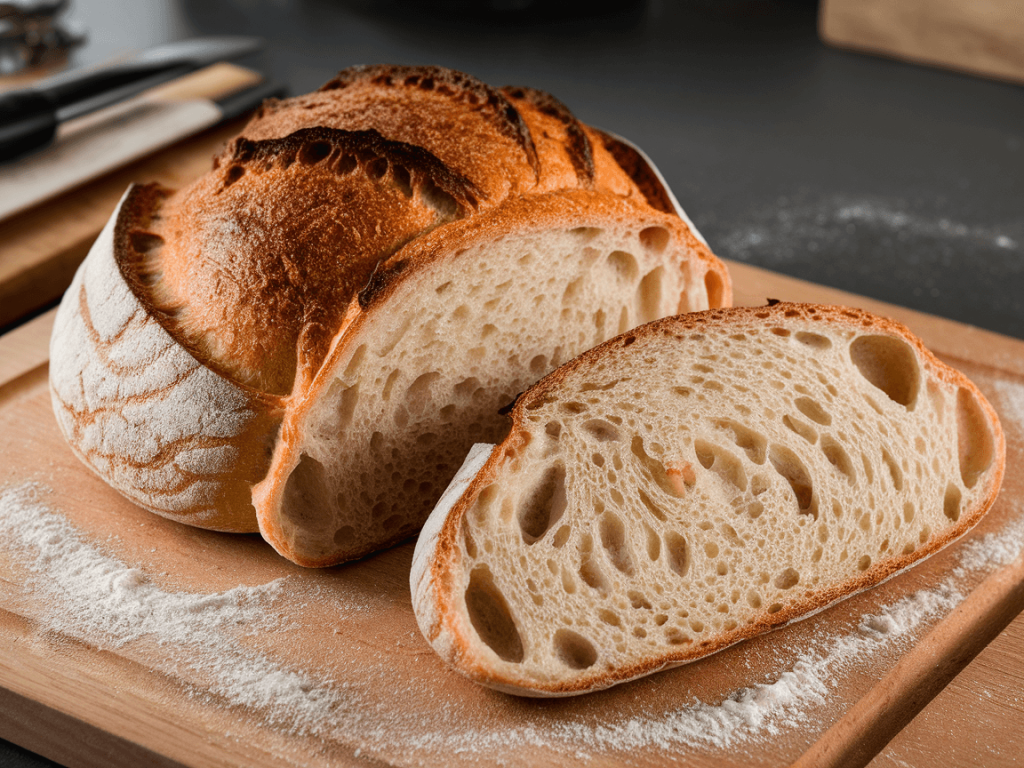
Why Homemade French Bread Rocks
French bread isn’t just any loaf. Here’s why it deserves a spot in your kitchen:
- Texture perfection: Crispy outside, soft and chewy inside.
- Customizable flavor: You can sprinkle it with seeds, herbs, or garlic.
- Freshness: Nothing beats warm bread straight out of your oven.
- Therapeutic baking: Kneading and watching it rise is oddly satisfying.
Ever wondered why store-bought French bread just never hits the same? It’s all about freshness and technique. Plus, homemade bread makes your kitchen smell heavenly—almost like magic.
Essential Ingredients for French Bread
Here’s your foundation for perfect homemade French bread:
- 4 cups (500g) all-purpose flour
- 1 ½ cups (360ml) warm water
- 2 ¼ tsp (1 packet) active dry yeast
- 1 ½ tsp salt
- 1 tsp sugar or honey
Optional: Sesame seeds, poppy seeds, garlic powder, or herbs for topping.
Pro Tip: Use warm water (around 110°F) to wake up the yeast. Too hot? It dies. Too cold? It’s lazy. You want that Goldilocks zone.
Step 1: Activate Your Yeast
Mix warm water, sugar, and yeast in a small bowl. Let it sit 5–10 minutes until foamy.
FYI: If it doesn’t foam, your yeast is dead. Start fresh—trust me, nothing ruins your day faster than lifeless dough.
Step 2: Combine Ingredients
In a large mixing bowl:
- Combine flour and salt.
- Add yeast mixture.
- Stir until a sticky dough forms.
Sticky Dough = Magic
- High hydration creates a light, airy crumb.
- Yeast and flour interaction builds flavor naturally.
- Stickiness can be intimidating, but it’s what makes French bread soft inside.
Ever tried a French baguette that’s dense and hard? Yeah, that’s usually low hydration dough. Don’t do that to yourself.
Step 3: Knead the Dough
Turn dough onto a floured surface. Knead for 8–10 minutes until smooth and elastic.
Alternative: Stand mixer with a dough hook. Personally, kneading by hand is meditative—plus, you get the feel of the dough, which is oddly satisfying.
Step 4: First Rise
Place dough in a lightly oiled bowl and cover with a damp towel. Let it rise 1–2 hours until doubled in size.
Rhetorical Question: Ever noticed bread tastes better after a proper rise? That’s fermentation developing flavor and texture, plain and simple.
Step 5: Shape Your Loaves
- Punch down the dough to release air.
- Divide into 2–3 equal portions.
- Roll into long, thin baguette shapes.
Pro Tip: Don’t stress about perfect symmetry. Rustic shapes often taste better than “Instagram-perfect” ones.
Step 6: Second Rise
Place shaped dough on a greased or parchment-lined baking sheet. Cover and let rise 30–45 minutes.
- This step ensures airy, soft interiors.
- Preheat oven to 450°F (230°C) during this time.
FYI: Skipping this makes your bread denser. And nobody wants a sad, heavy loaf.
Step 7: Slash the Bread
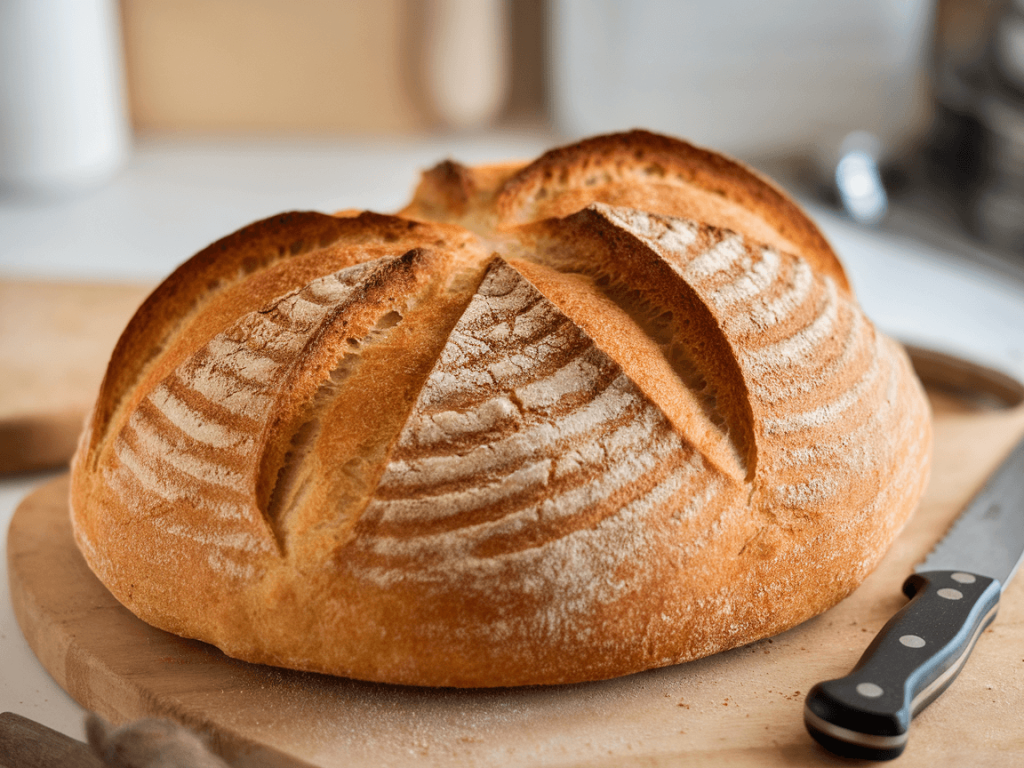
Use a sharp knife or razor to make 3–4 diagonal slashes across each loaf.
Why Scoring Matters
- Allows steam to escape, preventing tears.
- Gives that signature French bread look.
- Helps crust crisp evenly.
Ever baked without scoring? Your bread may crack unpredictably. Trust me—it looks messy.
Step 8: Bake Your Loaves
- Mist the oven with water (or place a pan of hot water inside) to create steam.
- Bake 20–25 minutes until golden brown.
- Remove and let cool slightly on a wire rack.
Pro Tip: Steam is key for that crispy, crackly crust while keeping the inside soft.
Tips for Crispy Crust
- Use steam during the first 10 minutes.
- Brush with water or egg wash before baking.
- Bake at high temperature for the perfect golden exterior.
Rhetorical Question: Isn’t it satisfying when that crust crackles as you break the loaf? I live for that sound.
Flavor Variations
Want to jazz up your French bread? Here are some tasty options:
- Garlic & Herb: Mince garlic, mix with olive oil, and brush on top.
- Cheese Lovers: Sprinkle shredded parmesan or gruyere before baking.
- Seeds Galore: Top with sesame, poppy, or sunflower seeds.
- Sweet Twist: Lightly brush with honey and a sprinkle of cinnamon.
FYI: Simple toppings can transform your bread into a conversation starter at any dinner table.
Storing and Reheating
- Room Temp: Wrap in foil or a towel; lasts 2 days.
- Freezing: Slice and store in a zip-top bag for up to 1 month.
- Reheating: Warm in oven at 350°F for 5–10 minutes to revive crustiness.
Pro Tip: French bread is best fresh, but reheating brings it back to life almost perfectly.
Common Mistakes and How to Avoid Them
- Yeast doesn’t foam: Always check activation first.
- Low hydration: Bread turns dense and hard.
- Skipping second rise: Leads to tight, heavy crumb.
- Not enough oven steam: Soft interior, limp crust.
- Overbaking: Golden is perfect; dark brown or black = tragedy.
Serving Suggestions
French bread is versatile AF:
- Sandwiches: Classic ham and cheese or fresh veggies.
- Dips: Serve with olive oil, balsamic, or soup.
- Toast: Perfect for breakfast with butter or jam.
- Cheese Boards: Rustic bread pairs wonderfully with cheese and charcuterie.
IMO, nothing beats warm, fresh French bread with melted butter. Simple, indulgent, and completely satisfying.
Healthier Twists
- Whole Wheat French Bread: Replace half flour with whole wheat; adds nutty flavor.
- Gluten-Free: Use a gluten-free flour blend; texture varies but taste still rocks.
- Low-Sodium: Reduce salt slightly; enhance flavor with herbs or garlic.
Pro Tip: Olive oil and high-quality flour enhance flavor without unhealthy fats. Win-win.
FAQ About French Bread
Q: Can I make French bread ahead of time?
A: Yes! Shape and refrigerate overnight. Bake the next day for fresh bread.
Q: Can I use instant yeast instead of active dry yeast?
A: Yep. Reduce water slightly, skip proofing. Works just as well.
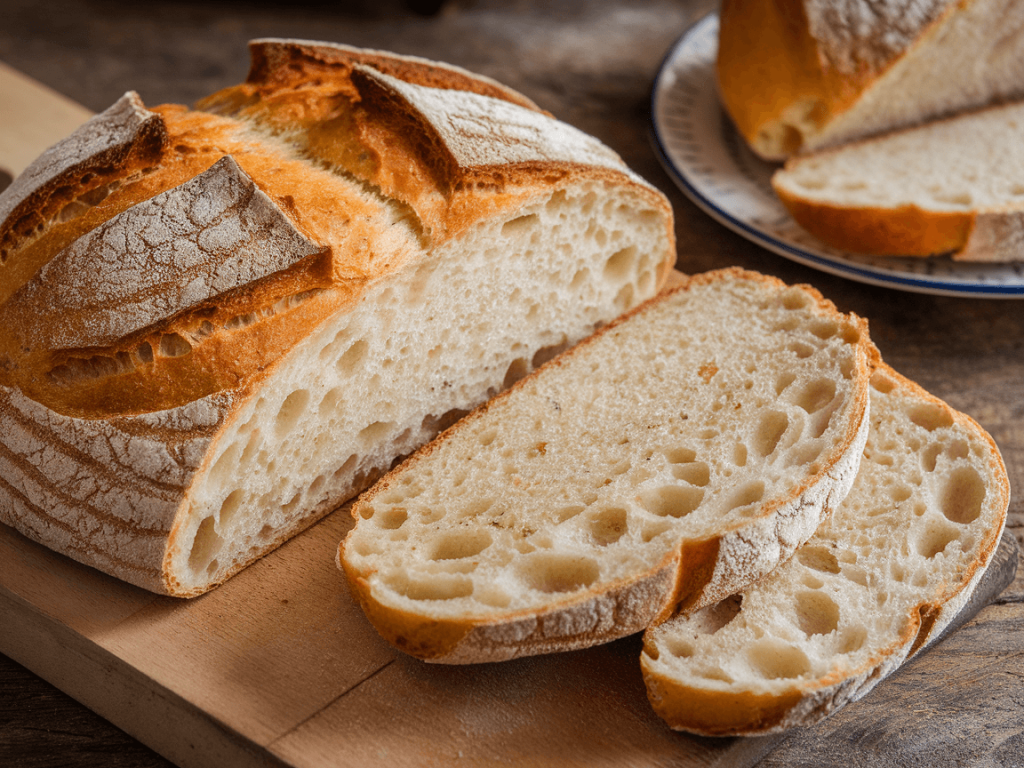
Q: How do I get a soft inside but crispy outside?
A: High hydration dough + steam during baking = magic.
Q: Can I freeze French bread?
A: Absolutely. Slice first, freeze, and reheat slices in the oven or toaster.
Why Homemade French Bread Beats Store-Bought
- Freshness: No preservatives or mystery ingredients.
- Customizable: Choose toppings, herbs, and shapes.
- Presentation: Looks fancy, tastes amazing.
- Therapeutic: Kneading and rising bread = stress relief.
Ever bought French bread that tasted “meh”? Homemade gives full control, flavor, and satisfaction.
Final Thoughts
Baking homemade French bread is more than cooking—it’s creating a masterpiece that’s crispy, soft, and full of flavor. With quality ingredients, proper technique, and patience, you can produce bread rivaling your favorite bakery.
Once you master this recipe, you’ll realize why French bread is iconic: simple, versatile, and utterly irresistible. So grab your flour, yeast, and olive oil, and bake the crispiest, softest French bread of your life. Your taste buds—and anyone lucky enough to share it—will thank you.