Let’s get real—finding bread that’s both gluten-free and actually tastes good can feel like searching for a unicorn. Most store-bought options either crumble in your hands or taste like cardboard. That’s why I got into making gluten-free sourdough at home. Not only do you get soft, tangy, and flavorful bread, but you also know exactly what’s going into it.
I’ll admit, my first attempt was… questionable. The bread looked fine, but biting into it was like chewing on a hockey puck. 😅 Fast forward a few tries (and a lot of flour on my counter), and I finally nailed it. Now, I can whip up a healthy, fluffy loaf that even my gluten-eating friends rave about.
If you’ve ever wanted gluten-free sourdough that’s easy to make, sticks together, and has that signature tangy flavor, you’re in the right place. Let’s dig in.
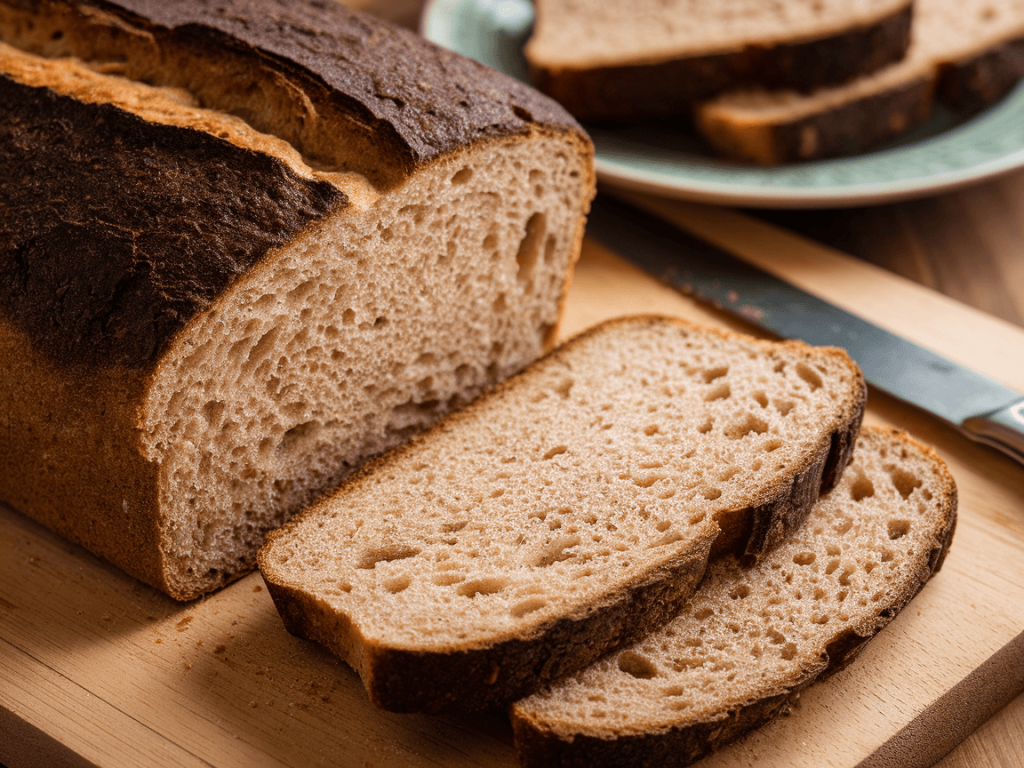
Why Gluten-Free Sourdough Is Worth Your Time
Making gluten-free sourdough at home isn’t just trendy—it has some serious perks:
- Better digestion: Sourdough’s natural fermentation helps break down complex carbs, making it easier on your stomach.
- Tangy flavor: You get that classic sourdough taste without gluten.
- Versatility: Toast it, make sandwiches, or enjoy it with soup.
- Control over ingredients: No preservatives, no mystery flours—just wholesome goodness.
Ever noticed how even the fanciest gluten-free loaves from stores are still dense and dry? Homemade sourdough solves that problem.
Understanding Gluten-Free Flours
Before we jump into recipes, let’s talk about flours—because gluten-free baking is all about the right mix.
Popular gluten-free flours for sourdough:
- Brown rice flour: Neutral flavor, great for structure.
- Sorghum flour: Adds a slightly sweet, earthy taste.
- Tapioca flour/starch: Provides chewiness and stretch.
- Almond flour: Optional, adds moisture and a nutty flavor.
- Gluten-free oat flour: Softens the crumb and adds fiber.
Pro Tip: A blend of flours usually works better than a single type. FYI, I’ve learned that experimenting with ratios is half the fun.
How to Make a Gluten-Free Sourdough Starter
A sourdough recipe without a starter is like a pizza without cheese—just sad. Here’s how to get one going:
Ingredients for Starter:
- ½ cup brown rice flour
- ½ cup water
- A pinch of sugar (optional)
Instructions:
- Mix flour and water in a jar until smooth.
- Cover loosely and leave at room temperature.
- Feed daily with 2 tablespoons flour + 2 tablespoons water for 5–7 days, until bubbly and tangy.
Tip: You’ll know it’s ready when it doubles in size and smells pleasantly sour. Ever wondered why some starters fail? Temperature and water quality make a huge difference.
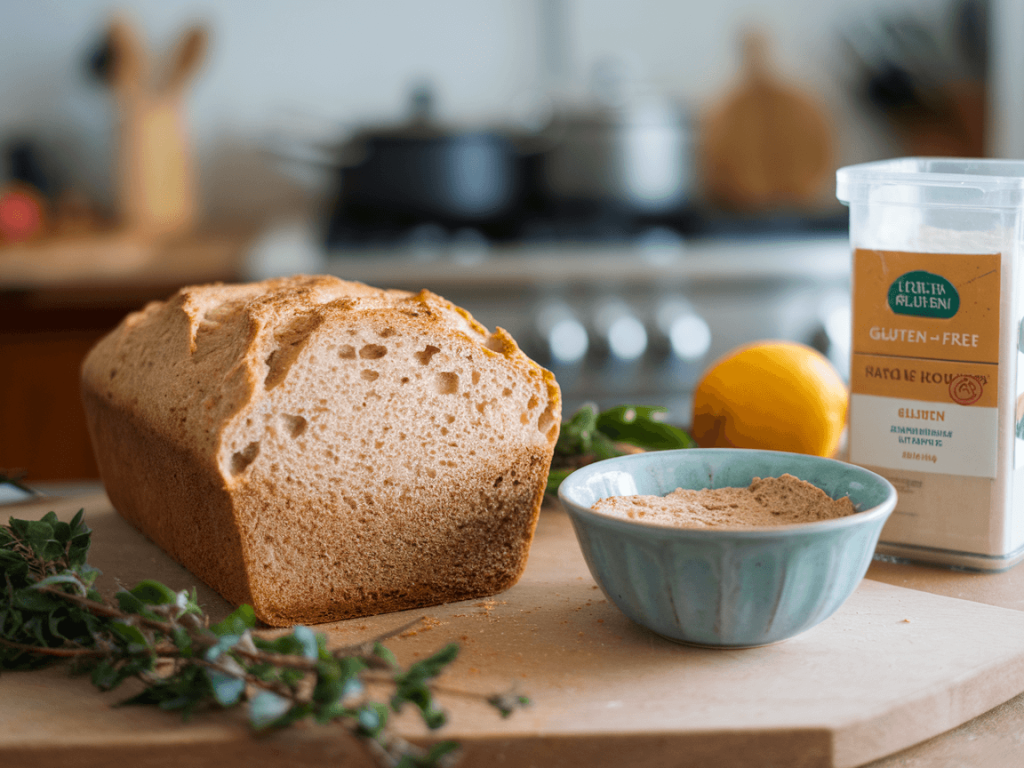
Easy Gluten-Free Sourdough Bread Recipe
Here’s a beginner-friendly recipe that consistently works.
Ingredients:
- 1 cup gluten-free sourdough starter (active)
- 2 cups gluten-free flour blend
- 1 teaspoon salt
- 1 tablespoon olive oil
- 1 cup warm water
Instructions:
- Mix ingredients: Combine starter, flour, salt, olive oil, and water in a large bowl. Stir until sticky dough forms.
- First rise: Cover with a damp cloth and let it rise for 4–6 hours. It should get slightly puffed.
- Shape dough: Transfer dough to a parchment-lined pan, shape into a loaf or boule.
- Second rise: Let it rest 1–2 hours at room temperature.
- Bake: Preheat oven to 425°F (220°C). Bake for 35–40 minutes until golden brown and hollow-sounding when tapped.
Pro Tip: Slashing the top lightly allows better oven spring. Seriously, nothing beats that tangy aroma when it comes out of the oven.
Flavor Variations for Gluten-Free Sourdough
Want to switch things up? Try these delicious twists:
1. Herb & Garlic Sourdough
- Add 1–2 teaspoons dried herbs (rosemary, thyme) and 2 garlic cloves minced.
- Great with olive oil or for sandwiches.
2. Seeded Sourdough
- Mix in pumpkin, sunflower, or chia seeds for crunch and nutrition.
- Optional: sprinkle seeds on top before baking.
3. Sweet Cinnamon Sourdough
- Add 2 teaspoons cinnamon and 2 tablespoons maple syrup.
- Perfect for breakfast or dessert toast.
Rhetorical Question: Isn’t it crazy how a few tweaks can completely transform a loaf?
Tips for Soft, Fluffy Gluten-Free Bread
Gluten-free baking can be tricky. Here’s how to avoid dense or crumbly bread:
- Hydrate the dough well: Gluten-free flour absorbs more water, so don’t be shy with moisture.
- Give it time: Longer rises develop flavor and texture.
- Use a baking stone or Dutch oven: Retains heat and helps the bread rise evenly.
- Avoid overbaking: Check at 35 minutes; bread continues to cook slightly off the heat.
- Cool completely before slicing: This prevents gummy texture inside.
Pro Tip: I’ve learned the hard way that rushing the cooling process ruins the crumb. Patience pays off!
Creative Uses for Gluten-Free Sourdough
Once you master the basics, the possibilities are endless:
- Sandwiches: Classic PB&J, turkey, or veggie stacks.
- Toast: Top with avocado, almond butter, or jam.
- Croutons: Cube leftover sourdough, toss with olive oil and herbs, bake until crispy.
- Breadcrumbs: Dry slices and blitz in a food processor.
Ever realized how transformative a good gluten-free sourdough loaf can be for meals? Honestly, it makes every dish feel homemade and comforting.
Storing Gluten-Free Sourdough
To keep your bread fresh and avoid waste:
- Room temperature: Store in a paper bag for 2–3 days.
- Freezing: Wrap tightly in plastic wrap or freezer bags; lasts up to 3 months.
- Reheating: Toast slices or warm the whole loaf in the oven for a few minutes.
Pro Tip: I freeze half of my loaf immediately—it makes breakfast on busy mornings super easy.
Common Mistakes and How to Avoid Them
Even experienced bakers slip up sometimes. Watch out for these pitfalls:
- Starter isn’t active: Leads to flat, dense bread.
- Too dry dough: Gluten-free flours need extra moisture.
- Skipping second rise: Bread won’t get proper oven spring.
- Overbaking: Results in dry, crumbly loaves.
Rhetorical Question: Isn’t it frustrating how minor mistakes ruin an otherwise perfect loaf? I’ve been there more times than I care to admit.
FAQ About Gluten-Free Sourdough
Q: Can I make gluten-free sourdough with just one type of flour?
A: You can, but a blend usually gives better texture. Mixing flours balances flavor, moisture, and structure.
Q: How long does gluten-free sourdough keep?
A: At room temp, about 2–3 days. Freezing is your best friend for longer storage.
Q: Can I make sandwiches with gluten-free sourdough?
A: Absolutely! Slice carefully, toast if needed, and it holds fillings well.
Q: Does it taste like regular sourdough?
A: It’s tangy, slightly different in texture, but honestly delicious. Most people can’t tell the difference at first bite.
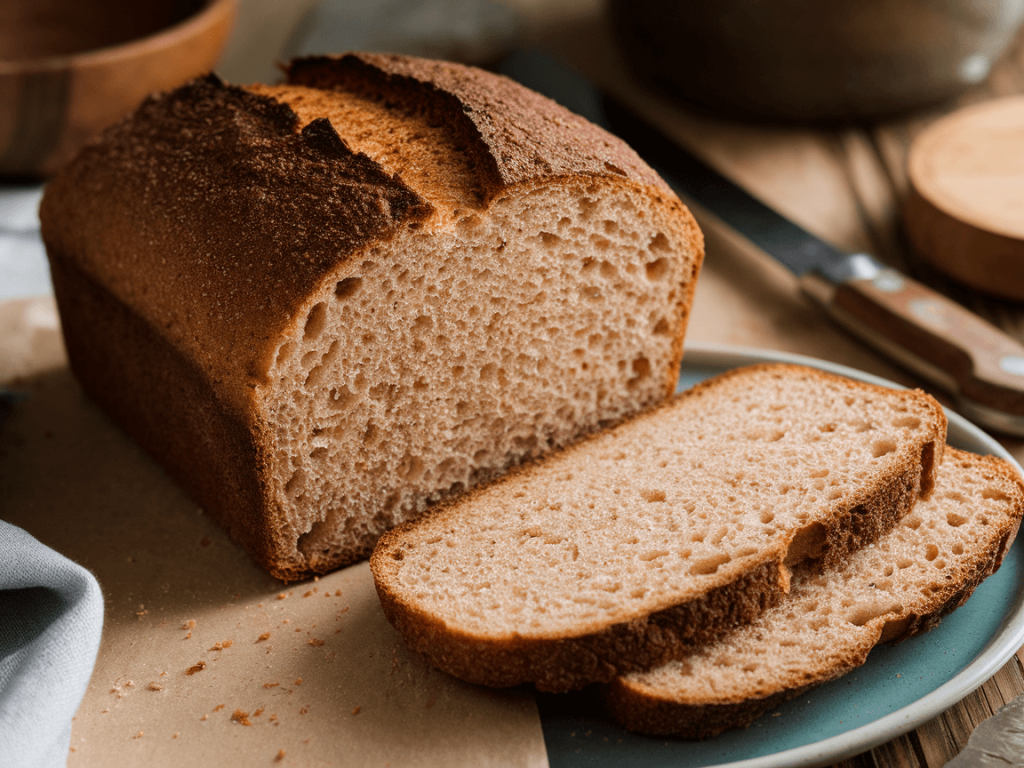
Personal Tips for the Perfect Loaf
From my experience, here’s what consistently works:
- Consistency is key: Feed your starter regularly; it’s the backbone of flavor.
- Don’t skimp on water: Hydration is crucial for soft crumb.
- Be patient with rising: Even gluten-free dough needs time to develop flavor.
- Experiment with flavors: Don’t be afraid to try herbs, seeds, or sweet versions.
Rhetorical Question: Isn’t baking more fun when you can experiment and still get amazing results?
Why Homemade Gluten-Free Sourdough Is Worth It
Making your own gluten-free sourdough isn’t just about the bread—it’s about:
- Control over ingredients: No sketchy additives or preservatives.
- Customization: Sweet, savory, seed-studded, or herbed—your choice.
- Health benefits: Easier to digest and better for gut health than store-bought.
- Satisfaction: There’s nothing like slicing a warm, tangy loaf you made yourself.
IMO, the confidence and flavor you get from homemade sourdough is totally worth the effort.
Final Thoughts
Gluten-free sourdough baking can feel intimidating, but with the right starter, flour blend, and patience, you can make bread that’s soft, tangy, and full of flavor.
From sandwiches to toast, croutons to breadcrumbs, this bread is versatile and satisfying. And honestly, there’s something magical about watching a loaf rise and puff in the oven, knowing it’s completely gluten-free and homemade. 😊
So, grab your starter, mix your flours, and start baking. Trust me—once you taste that first slice of homemade gluten-free sourdough, you’ll never want to go back to store-bought.