Walleye is one of those fish that wins over just about everyone. It’s mild, flaky, and perfect for a simple pan-fry that turns out crisp and golden. This recipe leans on everyday ingredients and a reliable method that’s easy to master.
You’ll get a crunchy coating, tender fish, and a clean flavor that never feels heavy. Whether it’s your first time cooking walleye or your hundredth, this version hits all the right notes.
What Makes This Recipe So Good
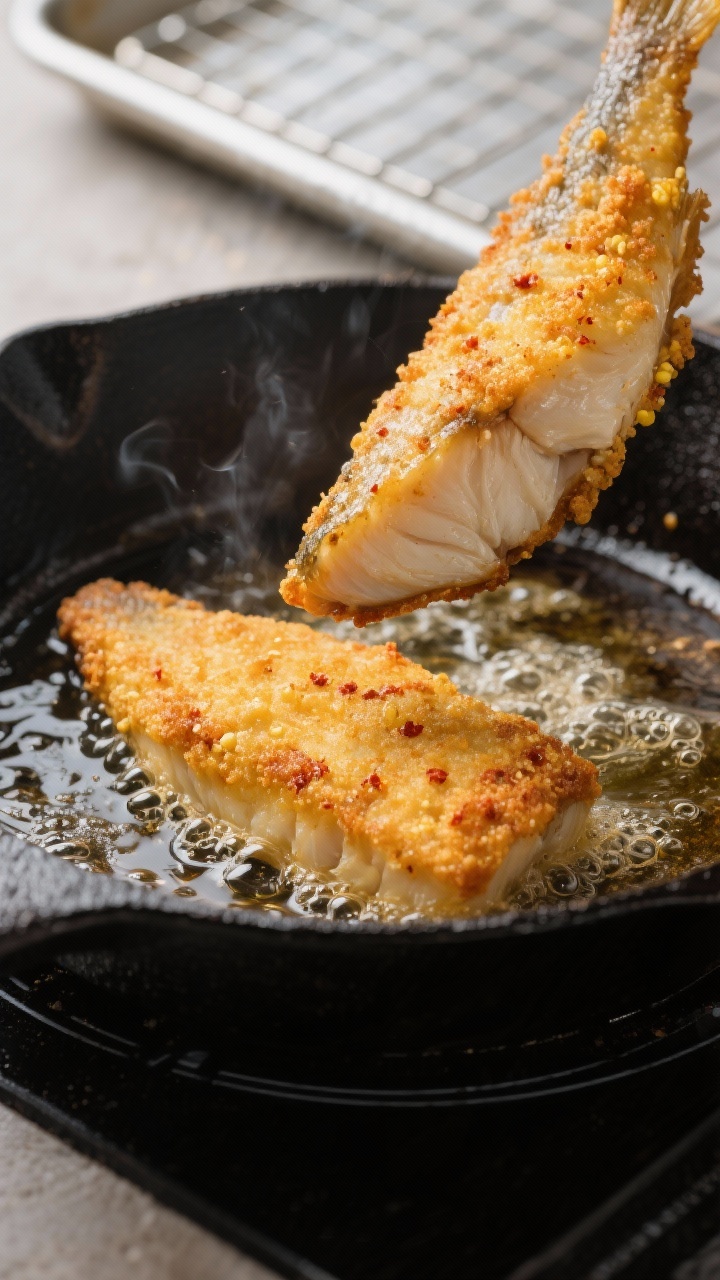
- Light, crisp coating: A blend of flour, cornmeal, and simple seasonings keeps the crust thin and crunchy, not thick or doughy.
- Fast cook time: Walleye fillets cook in minutes, making this a weeknight-friendly recipe with weekend-restaurant results.
- Balanced seasoning: The fish shines through, but you still get a subtle kick from paprika, pepper, and garlic.
- Minimal oil absorption: Proper preheating and quick frying lock in moisture without greasy results.
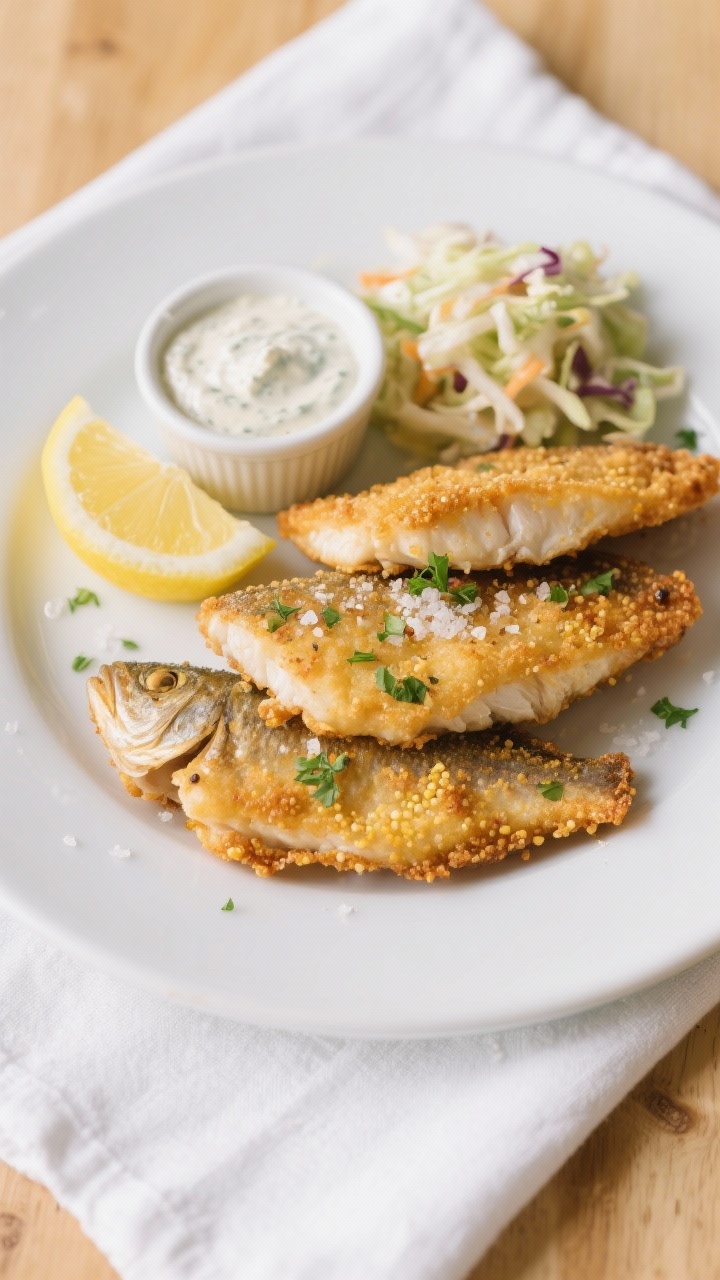
- Versatile pairing: Serve it with lemon, tartar sauce, coleslaw, or a simple salad. It fits any table.
Ingredients
- 4 walleye fillets (about 5–7 ounces each), skin removed
- 1 cup all-purpose flour
- 1/2 cup fine yellow cornmeal
- 1 teaspoon kosher salt, plus more to finish
- 1/2 teaspoon black pepper
- 1 teaspoon paprika (sweet or smoked)
- 1/2 teaspoon garlic powder
- 1/4 teaspoon cayenne pepper (optional, for heat)
- 2 large eggs
- 2 tablespoons milk or water
- Neutral oil for frying (canola, peanut, or vegetable), about 1/2 inch in the pan
- Lemon wedges, for serving
- Tartar sauce or your favorite dipping sauce
- Fresh parsley, chopped (optional)
Instructions
- Pat dry the fish: Lay the walleye on paper towels and pat dry on both sides.
Dry fish browns better and helps the coating cling.
- Set up dredging stations: In one shallow bowl, whisk the eggs and milk until smooth. In a second bowl, mix the flour, cornmeal, salt, pepper, paprika, garlic powder, and cayenne.
- Heat the oil: Pour about 1/2 inch of oil into a large cast-iron or heavy skillet. Heat to 350–365°F.
If you don’t have a thermometer, a small pinch of the flour mixture should sizzle immediately.
- Coat the fillets: Working one at a time, dip each fillet in the egg wash, let excess drip off, then press into the flour-cornmeal mixture. Shake gently to remove loose flour.
- Fry in batches: Carefully place 1–2 fillets in the hot oil without crowding. Fry 2–3 minutes on the first side until deep golden at the edges, then flip and cook another 1–2 minutes.
The fish should flake easily and reach 145°F internally.
- Drain and season: Transfer to a wire rack set over a sheet pan or paper towels. Immediately sprinkle with a pinch of salt to lock in flavor.
- Repeat and serve: Fry the remaining fillets, adding oil as needed and letting it reheat to temperature. Serve hot with lemon wedges, tartar sauce, and a shower of parsley if you like.
How to Store
- Refrigerate: Cool completely, then store in an airtight container for up to 2 days.
Line the container with a paper towel to absorb moisture.
- Reheat: For crispness, reheat on a wire rack set over a sheet pan in a 400°F oven for 8–10 minutes. Air fryers work well too at 375°F for 5–7 minutes.
- Freeze: Not ideal for maintaining crunch, but possible. Freeze on a sheet pan, then transfer to a freezer bag for up to 2 months.
Reheat from frozen in a 400°F oven until hot and crisp.
Why This is Good for You
- Lean protein: Walleye is naturally low in fat and provides high-quality protein for muscle support and satiety.
- Omega-3s: While not as high as salmon, walleye still offers beneficial fatty acids for heart and brain health.
- Smart frying approach: Hot oil and a thin coating reduce absorption, keeping the dish lighter than heavy batters.
- Balanced meal: Pair with a crisp slaw or steamed vegetables and lemon for a fresh, satisfying plate.
Pitfalls to Watch Out For
- Oil too cool: Lukewarm oil leads to soggy crusts. Keep it around 350–365°F and let it recover between batches.
- Overcrowding: Too many fillets drop the oil temperature. Fry in small batches for even browning.
- Wet fish: Moisture prevents crisping and makes the oil spit.
Pat the fillets very dry.
- Overcooking: Walleye cooks fast. Pull it when it flakes with a fork and looks opaque throughout.
- Thick coating: Press the breading on gently but don’t pile it. A light crust gives the best texture.
Recipe Variations
- Beer-battered walleye: Swap the dredge for a light batter made with flour, cornstarch, cold lager, and salt.
Dip and fry until puffy and golden.
- Panko-crusted: Replace cornmeal with panko crumbs for extra crunch. Add a little grated lemon zest to the crumbs for brightness.
- Cajun style: Use a Cajun seasoning blend in the flour mix and serve with a lemon-garlic mayo.
- Gluten-free: Use rice flour and fine cornmeal, or a 1:1 gluten-free flour blend. Make sure your seasonings are certified gluten-free.
- Herb and lemon: Add dried dill or thyme to the coating and finish the hot fish with a squeeze of lemon and a sprinkle of flaky salt.
- Shallow-pan or air fryer: For less oil, spray the coated fish lightly with oil and air fry at 390°F for 8–10 minutes, flipping once.
FAQ
Do I Need to Remove the Skin?
Most walleye fillets are sold skinless, but if yours aren’t, you can fry skin-on.
Score the skin lightly and fry skin-side down first. The skin will crisp and release flavor, though the texture is a personal preference.
What Oil Is Best for Frying Walleye?
Use a neutral, high-heat oil like canola, peanut, or vegetable oil. They handle higher temperatures without smoking and won’t overpower the fish’s mild flavor.
How Do I Know the Fish Is Done?
The fillet should turn opaque and flake easily with a fork.
An instant-read thermometer should read about 145°F. Since carryover heat continues cooking, aim for just shy of that and rest for a minute.
Can I Use Frozen Fillets?
Yes, but thaw them fully in the fridge and then pat very dry. Excess moisture is the enemy of crispness, so take your time with drying.
What Should I Serve With Fried Walleye?
Classic sides include coleslaw, fries, potato salad, or buttered corn.
For something lighter, serve with a green salad, lemony asparagus, or cucumber-dill salad.
Why Is My Coating Falling Off?
Usually it’s either wet fish, oil that isn’t hot enough, or flipping too early. Dry the fillets well, let the oil preheat, and wait until the crust is deeply golden before turning.
Can I Use This Method for Other Fish?
Absolutely. It works well with perch, cod, haddock, and tilapia.
Adjust cooking time based on thickness.
In Conclusion
Fried walleye doesn’t need bells and whistles to shine. With a hot pan, a simple seasoned coating, and a few smart tips, you’ll get fillets that are crunchy outside and tender within. Keep it simple, serve it hot, and pass the lemon.
This is the kind of classic that never goes out of style.