Perch is a light, mild fish that fries up beautifully—crisp on the outside, tender and flaky inside. This is the kind of simple, satisfying recipe that turns a weeknight into something special. You don’t need fancy equipment or hard-to-find ingredients, just a few pantry staples and a hot skillet.
The result? Golden pieces of fish that taste fresh, clean, and totally addictive. Serve them with lemon and a quick sauce, and you’re all set.
What Makes This Recipe So Good
- Clean, mild flavor: Perch has a delicate taste that pairs well with a light, seasoned coating.
- Ultra-crispy crust: A blend of flour and cornmeal gives you crunch without heaviness.
- Fast cooking time: Thin fillets fry in just a few minutes per side.
- Foolproof method: Clear steps and simple ingredients make it easy for beginners.
- Versatile serving options: Great with coleslaw, fries, a salad, or in a sandwich.
Shopping List
- 1 to 1.5 pounds perch fillets, skinless if possible
- 1/2 cup all-purpose flour
- 1/2 cup fine yellow cornmeal (or panko breadcrumbs)
- 1 teaspoon kosher salt
- 1/2 teaspoon black pepper
- 1/2 teaspoon paprika (sweet or smoked)
- 1/2 teaspoon garlic powder
- 1/4 teaspoon onion powder
- Pinch of cayenne (optional, for heat)
- 2 large eggs
- 2 tablespoons milk or water
- Neutral oil for frying (canola, peanut, or vegetable oil)
- Lemon wedges, for serving
- Tartar sauce or your favorite dipping sauce
- Fresh parsley, chopped (optional, for garnish)
How to Make It
- Pat the fillets dry: Use paper towels to remove surface moisture from the perch.
Dry fish gives you a better crust and less splatter.
- Set up your dredging station: In one shallow bowl, whisk the eggs and milk. In another, mix flour, cornmeal, salt, pepper, paprika, garlic powder, onion powder, and cayenne.
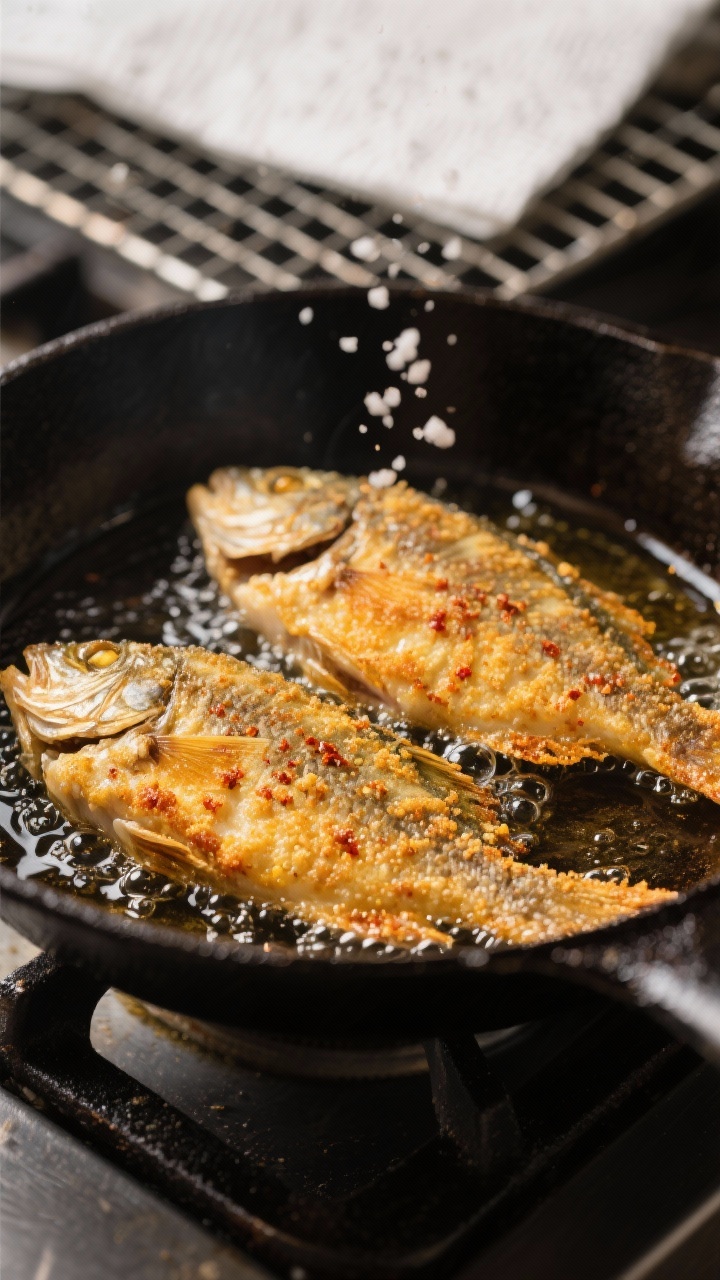
- Heat the oil: Pour about 1/4 inch of oil into a large skillet. Heat over medium to medium-high until it reaches 350–365°F.
If you don’t have a thermometer, a pinch of the dry mix should sizzle on contact.
- Coat the fish: Lightly dust fillets with a little of the dry mix, dip in the egg wash, then press into the dry mix again to coat fully. Shake off excess so the crust is even, not clumpy.
- Fry in batches: Lay fillets in the hot oil without crowding. Cook 2–3 minutes per side, depending on thickness, until golden brown and the fish flakes easily.
Keep the heat steady.
- Drain and season: Transfer to a wire rack set over a sheet pan or to paper towels. Sprinkle with a pinch of salt while hot for extra flavor.
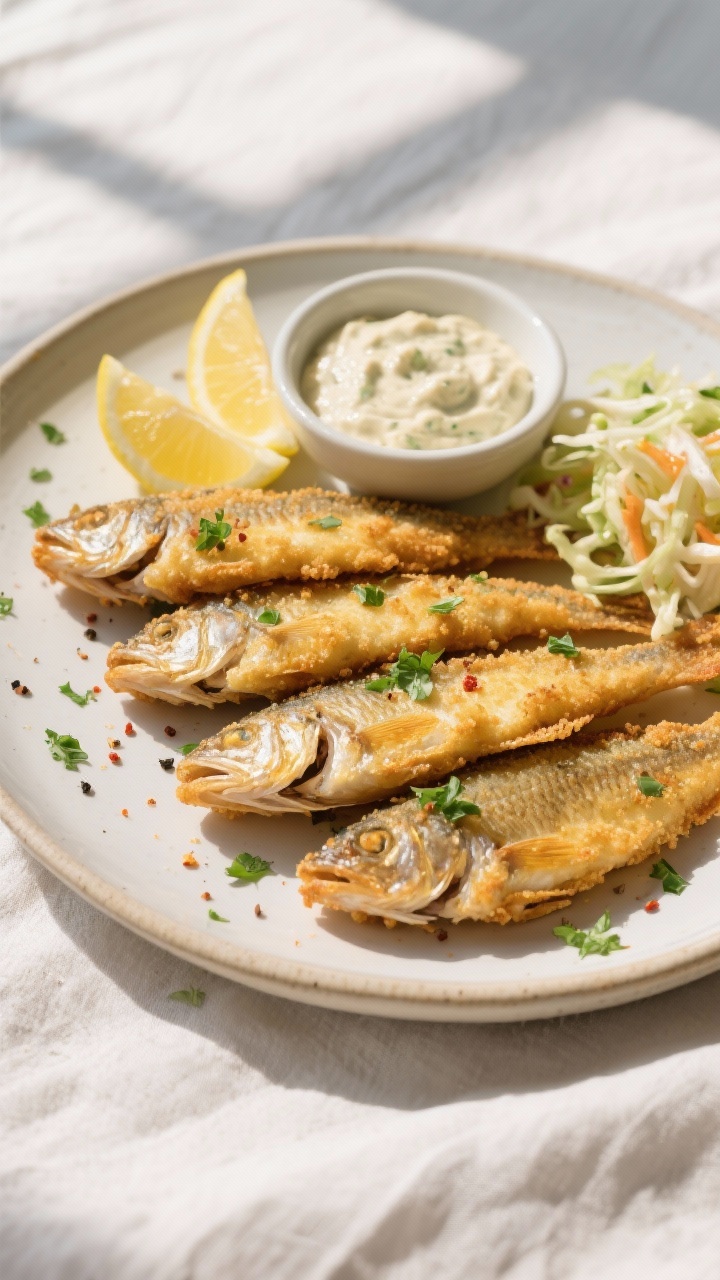
- Serve right away: Plate with lemon wedges and tartar sauce. Add parsley on top for a fresh finish.
How to Store
- Refrigerate: Cool completely, then store in an airtight container for up to 2 days.
- Reheat: For crispiness, reheat in a 375°F oven or air fryer for 6–10 minutes, flipping once.
Avoid microwaving—it softens the crust.
- Freeze: Freeze on a sheet pan until solid, then transfer to a freezer bag for up to 2 months. Reheat from frozen in a 400°F oven or air fryer until hot and crisp.
Health Benefits
- Lean protein: Perch offers high-quality protein with relatively low fat, supporting muscle and satiety.
- Omega-3s: Though not as high as salmon, perch still provides beneficial omega-3 fatty acids for heart and brain health.
- Vitamins and minerals: Perch contains B vitamins, selenium, and phosphorus, which support metabolism and cell function.
- Portion control: Because the fillets are thin, it’s easy to balance the fried coating with a light meal of salad or vegetables.
Common Mistakes to Avoid
- Skipping the pat-dry step: Wet fish steams, which weakens the crust and increases splatter.
- Oil too cool or too hot: Cool oil makes soggy fish; overly hot oil burns the crust. Keep it around 350–365°F.
- Overcrowding the pan: This drops the oil temperature and leads to greasy results.
Fry in batches.
- Thick, uneven coating: Press the coating on gently and shake off extra. A heavy crust won’t crisp evenly.
- Walking away: Perch cooks fast. Stay close and flip as soon as you see golden edges.
Recipe Variations
- Beer-battered perch: Swap the dredge for a light batter made with flour, cold beer, salt, and paprika.
Fry until puffed and golden.
- Panko-crusted: Use flour for the first dip, egg wash second, and panko breadcrumbs third for extra crunch.
- Cajun style: Increase paprika and add Cajun seasoning. Serve with remoulade and pickle slices.
- Gluten-free: Use a gluten-free flour blend and cornmeal, or rice flour for a light, crisp finish.
- Air fryer method: Lightly oil coated fillets and cook at 390°F for 8–10 minutes, flipping once, until crisp and flaky.
FAQ
Can I use frozen perch?
Yes. Thaw completely in the refrigerator, then pat very dry before coating.
Excess moisture is the enemy of a crisp crust.
What oil is best for frying?
Use a high-heat, neutral oil like canola, peanut, or vegetable oil. Olive oil can smoke and add stronger flavor, so it’s not ideal here.
How do I know the fish is done?
The crust turns deep golden and the fillets flake easily with a fork. Internal temperature should reach about 145°F, but thin fillets are usually perfect after 2–3 minutes per side.
Can I leave the skin on?
You can, but perch skin can curl and crisp unevenly.
If you keep it, score the skin lightly and press the fillet down for the first 20–30 seconds of frying.
What should I serve with fried perch?
Classic sides include coleslaw, fries, and hushpuppies. For something lighter, try a lemony arugula salad, steamed green beans, or roasted asparagus.
Why is my coating falling off?
The fish may have been too wet, or you moved it too soon. Dry the fillets well, press the coating on lightly, and flip only once after the crust sets.
Can I season the fish directly?
Yes.
A light sprinkle of salt and pepper on the fillets before dredging boosts flavor. Don’t overdo it, since the coating is seasoned too.
In Conclusion
Crispy fried perch is simple, fast, and always satisfying. With a balanced coating and steady heat, you’ll get golden fillets that stay light and flaky.
Pair them with fresh lemon and your favorite sides, and you’ve got a crowd-pleasing meal any night of the week. Keep the tips handy, and this will become your go-to fish fry recipe.