Let me start by saying this: duck liver pâté is basically a party in your mouth. Seriously. Creamy, savory, and just the right amount of decadence, this dish screams “I know what I’m doing in the kitchen” without making you work overtime. If you’ve ever hesitated to try making pâté at home, I promise—it’s easier than you think, and the results are so elegant your guests will be impressed (even if they’ve never had duck liver before).
I remember the first time I made it: I was nervous, thinking, “Am I about to ruin this luxurious ingredient?” But one bite later, I was hooked. Now, whenever I host a dinner, it’s basically my signature starter. And trust me, it pairs beautifully with a crisp glass of white wine or a little sparkling rosé.
Let’s talk about how to make this creamy, savory delight yourself, step by step, with tips and tricks I’ve learned from my kitchen adventures.
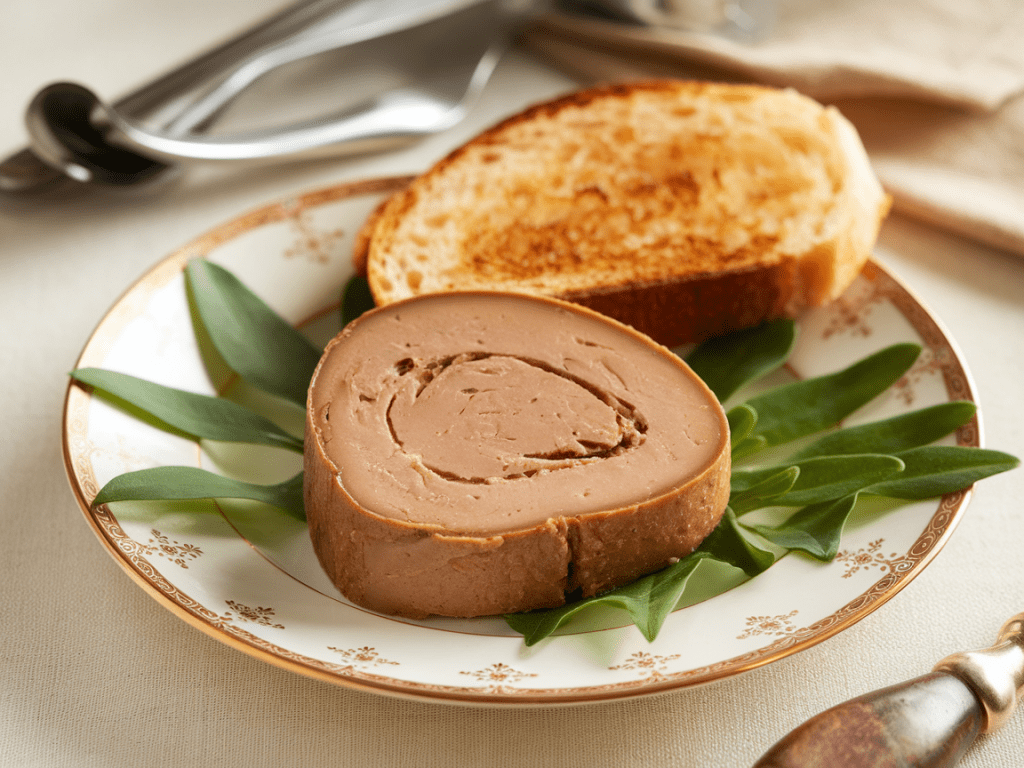
Why Duck Liver Pâté Is Worth the Effort
Before we jump into recipes, let’s talk about why pâté is so special.
- Decadent flavor: Duck liver has a richer, more luxurious taste compared to chicken liver. It’s buttery and mild, perfect for spreading.
- Creamy texture: When prepared right, it’s silky smooth, melting in your mouth.
- Impresses guests: Seriously, who doesn’t love a fancy appetizer that looks like it took hours but actually didn’t?
Ever wondered why this dish feels so “fancy”? Duck liver’s richness naturally elevates it, and pairing it with a touch of cream, butter, and seasoning makes it ridiculously gourmet without being intimidating.
Choosing and Preparing Duck Liver
Picking the right liver is the first step. You want it fresh, firm, and vibrant.
Fresh vs. Frozen Duck Liver
- Fresh duck liver: Ideal for the best flavor and texture. Buy from a trusted butcher or farmer.
- Frozen duck liver: Convenient and still tasty. Just thaw gently in the fridge overnight.
FYI: Fresh liver will give a slightly sweeter, creamier taste, while frozen liver is perfectly fine for most recipes. I’ve used both, and honestly, the difference is subtle if you cook it right.
Checking for Quality
- Color: Should be deep reddish-brown. Pale or grayish pieces? Skip them.
- Texture: Slightly firm to the touch, not mushy.
- Smell: Clean and slightly sweet. No ammonia smell allowed!
Prepping Duck Liver for Cooking
- Rinse gently and pat dry.
- Remove any veins or membranes—they’ll make the texture less smooth.
- Slice into even pieces for uniform cooking.
Ever tried skipping the prep step? Don’t. You’ll regret the tough texture later.
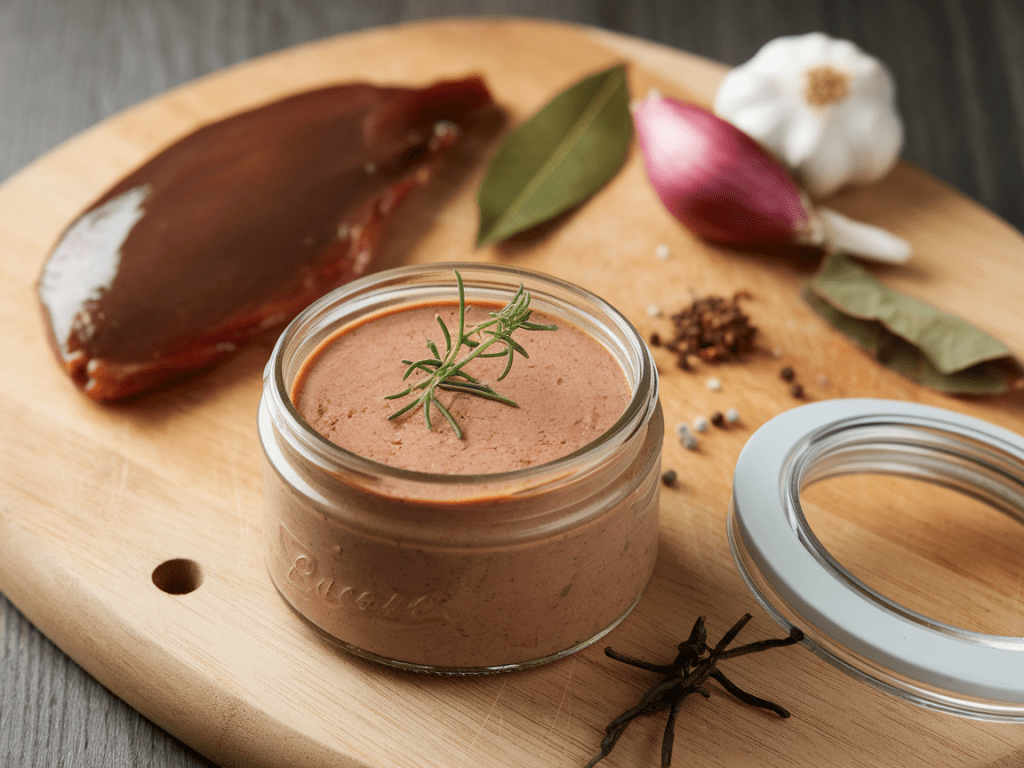
Ingredients for the Perfect Duck Liver Pâté
Here’s the basic ingredient list for a classic, elegant pâté:
- 1 lb fresh duck liver, trimmed and cleaned
- 1 small shallot, finely chopped
- 2 cloves garlic, minced
- 4 tablespoons unsalted butter, divided
- 1/4 cup heavy cream
- 2 tablespoons cognac or brandy (optional, but trust me, it’s magical)
- Salt and pepper, to taste
- Fresh herbs like thyme or parsley (optional, for garnish)
Pro tip: Using cognac adds depth and a subtle sweetness. If you don’t have it, a splash of white wine works too, though it’s not quite as indulgent.
Step-by-Step Duck Liver Pâté Recipe
Making pâté might sound intimidating, but if you follow these steps, you’ll nail it.
Step 1: Sauté the Aromatics
- Melt 2 tablespoons of butter in a skillet over medium heat.
- Add shallots and garlic, sautéing until soft and fragrant (about 2–3 minutes).
Tip: Don’t let them brown too much. You want sweetness, not bitterness.
Step 2: Cook the Duck Liver
- Add duck liver slices to the skillet.
- Cook for 2-3 minutes per side, just until the liver is slightly pink inside. Overcooking = dry, crumbly pâté.
- Season lightly with salt and pepper.
Ever wondered why we don’t cook it all the way? Keeping a touch of pink preserves creaminess and flavor.
Step 3: Add Cognac and Cream
- Pour in cognac and let it simmer for 1 minute to reduce slightly.
- Stir in heavy cream and the remaining butter, letting it melt into the liver mixture.
FYI: This step is where the magic happens—the liver absorbs all the flavors, making it rich and silky.
Step 4: Blend Until Smooth
- Transfer everything to a food processor or blender.
- Blend until completely smooth and creamy. Taste and adjust seasoning.
If you like a super-smooth texture, strain the mixture through a fine mesh sieve. It’s a little extra work, but worth it for that velvety finish.
Step 5: Chill and Serve
- Transfer the pâté to ramekins or a small dish.
- Cover with plastic wrap and refrigerate for at least 2 hours (overnight is even better).
- Garnish with fresh herbs or a drizzle of olive oil before serving.
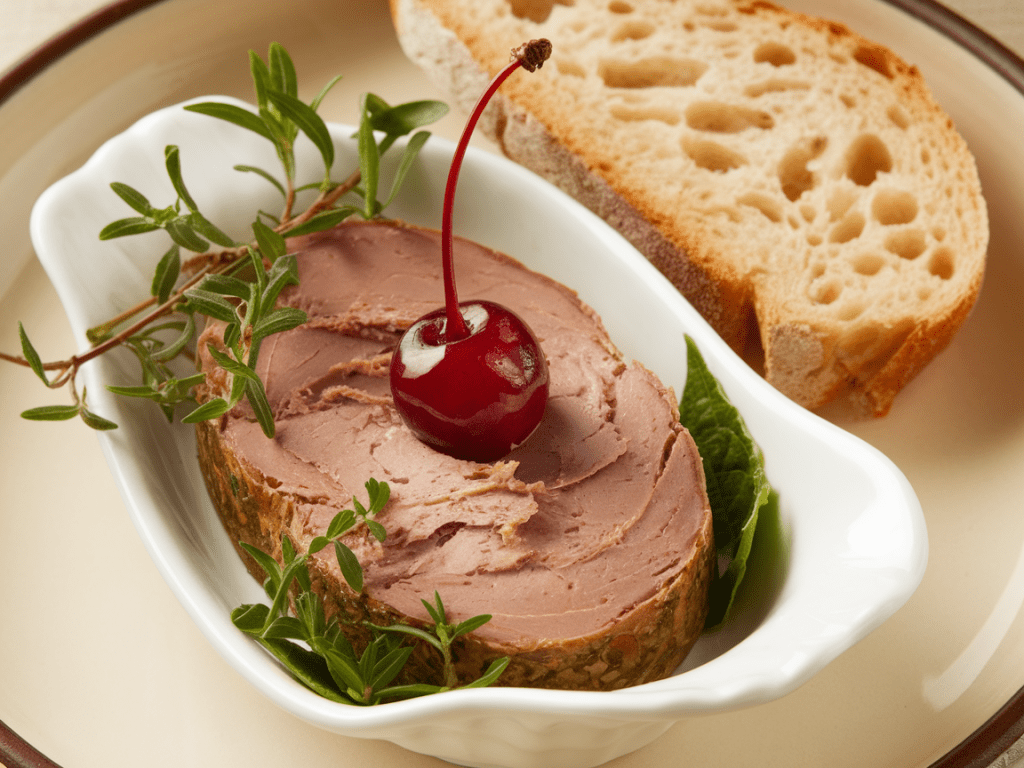
Serving Suggestions for Maximum Elegance
Presentation makes a difference. Here’s how to wow your guests:
- Accompaniments: Toasted baguette slices, crackers, or crostini.
- Garnishes: Fresh thyme, parsley, or a sprinkle of flaky sea salt.
- Sweet contrast: A small dollop of fig jam or pear chutney adds a perfect sweet-savory balance.
- Wine pairing: A crisp white wine or light red works wonders.
Ever noticed how a simple garnish can make a dish feel restaurant-level fancy? Don’t skip this step—it elevates the pâté instantly.
Creative Variations of Duck Liver Pâté
Once you’ve nailed the classic version, try mixing it up:
Truffle Duck Liver Pâté
- Add 1 teaspoon truffle oil during blending.
- Garnish with finely shaved truffle or a drizzle of truffle oil.
Truffle lovers, rejoice! It’s earthy, luxurious, and perfect for special occasions.
Spicy Pâté
- Add a pinch of cayenne or smoked paprika to the mixture.
- Gives a subtle heat that contrasts beautifully with the creamy liver.
Herb-Infused Pâté
- Sauté liver with fresh thyme, rosemary, or sage.
- Blend and chill as usual.
The fresh herbs bring a vibrant aroma and flavor that really elevates the dish.
Tips for Perfect Texture and Flavor
- Don’t overcook: Overcooked liver = grainy, dry pâté.
- Use quality butter and cream: They make a huge difference in smoothness and richness.
- Balance flavors: Don’t be shy with seasoning. A touch of cognac or herbs brings everything together.
- Chill adequately: Proper chilling allows flavors to meld and texture to firm up.
Storage and Reheating
- Fridge: Store pâté in an airtight container for up to 4 days.
- Freezer: Wrap tightly and freeze for up to 1 month.
- Serving from fridge: Take it out 10 minutes before serving for the best texture.
Pro tip: Don’t try reheating pâté—it loses that delicate creaminess. Serve it cold or slightly room temperature.
Pairing Duck Liver Pâté for Entertaining
- Bread & crackers: Baguette, brioche, or rye crackers.
- Pickles & chutneys: Cornichons, fig jam, or caramelized onions.
- Vegetables: Sliced radishes, cucumbers, or endive leaves for a crisp contrast.
- Beverages: Champagne, sparkling wine, or a light-bodied white like Sauvignon Blanc.
Ever hosted a party and had guests fight over the appetizer? Yeah, that’s usually when I bring out this pâté 🙂
Common Mistakes to Avoid
Even seasoned cooks slip up sometimes. Avoid these:
- Skipping prep: Membranes and veins ruin the smooth texture.
- Overcooking liver: Dry, crumbly pâté = sad face.
- Under-seasoning: Liver needs bold flavors; don’t be timid.
- Ignoring chilling time: Skipping this step makes spreading messy and flavors muted.
Health Benefits of Duck Liver
Yes, it’s indulgent, but duck liver has nutritional perks:
- Rich in vitamin A: Supports vision and immunity.
- High in iron: Helps with red blood cell production.
- Protein-packed: Supports muscles and satiety.
- Healthy fats: Contribute to heart and brain health in moderation.
So yes, you’re basically being fancy and healthy. Who said you can’t have both?
FAQs About Duck Liver Pâté
Q: Can I make pâté ahead of time?
A: Absolutely. Make it a day in advance to let flavors meld.
Q: Can I freeze pâté?
A: Yes, tightly wrapped for up to a month. Thaw in the fridge overnight.
Q: Do I need a food processor?
A: For the smoothest texture, yes—but a blender works too.
Q: What if I don’t like cognac?
A: Substitute white wine or skip it entirely; the pâté will still be amazing.
Final Thoughts
Making duck liver pâté is easier than it looks, and the results are fancy, creamy, and utterly delicious. Whether you’re hosting a dinner, celebrating a special occasion, or just craving a luxurious snack, this pâté will impress.
Take your time prepping, cook gently, blend carefully, and chill properly. Then serve with a little bread, some pickles, and maybe a glass of wine. Your guests—and your taste buds—will be thrilled.
Remember, the beauty of this dish lies in its simplicity and elegance. You don’t need to be a professional chef to make something that looks and tastes gourmet. Just a little love, care, and patience in the kitchen.
So grab some duck liver, pull out your skillet, and get ready to wow everyone. Trust me, once you try this recipe, it’ll be your go-to appetizer for entertaining.