Seafood on a weeknight doesn’t have to be fussy or expensive. With a few smart shortcuts and pantry staples, you can pull together a fresh, flavorful meal in under 30 minutes. These ideas are simple, family-friendly, and don’t require chef-level skills.
Whether you’re cooking salmon, shrimp, or mild white fish, you’ll find easy ways to make dinner feel special without a lot of effort. Let’s keep it simple, tasty, and doable any night of the week.
What Makes This Special
These seafood dinners focus on speed, flavor, and flexibility. You can swap proteins, use fresh or frozen, and lean on simple sauces to tie everything together.
The goal is to get a balanced, satisfying meal on the table fast. With a few base techniques—sheet pan roasting, quick pan-searing, and one-pan pasta—you’ll have reliable options ready to go.
Ingredients
Here’s a versatile list that covers several easy seafood dinners. Pick and choose based on what you’re making.
- Seafood options: Salmon fillets, shrimp (peeled and deveined), white fish (cod, tilapia, haddock), scallops, canned tuna
- Vegetables: Cherry tomatoes, asparagus, broccoli florets, bell peppers, zucchini, baby spinach, green beans, red onion
- Starches: Pasta (spaghetti, linguine, or penne), rice, couscous, crusty bread, tortillas
- Fats and oils: Olive oil, butter
- Citrus and aromatics: Lemon, lime, garlic, shallot, fresh parsley, dill, cilantro
- Pantry flavor boosters: Dijon mustard, honey, soy sauce, chili flakes, capers, pesto, jarred marinara, coconut milk
- Spices and seasonings: Salt, black pepper, paprika, Old Bay, Italian seasoning, cumin, smoked paprika
- Optional add-ins: Grated Parmesan, feta, olives, canned tomatoes, white wine, chicken or vegetable broth
Instructions
Choose one of these quick methods based on what you have on hand.
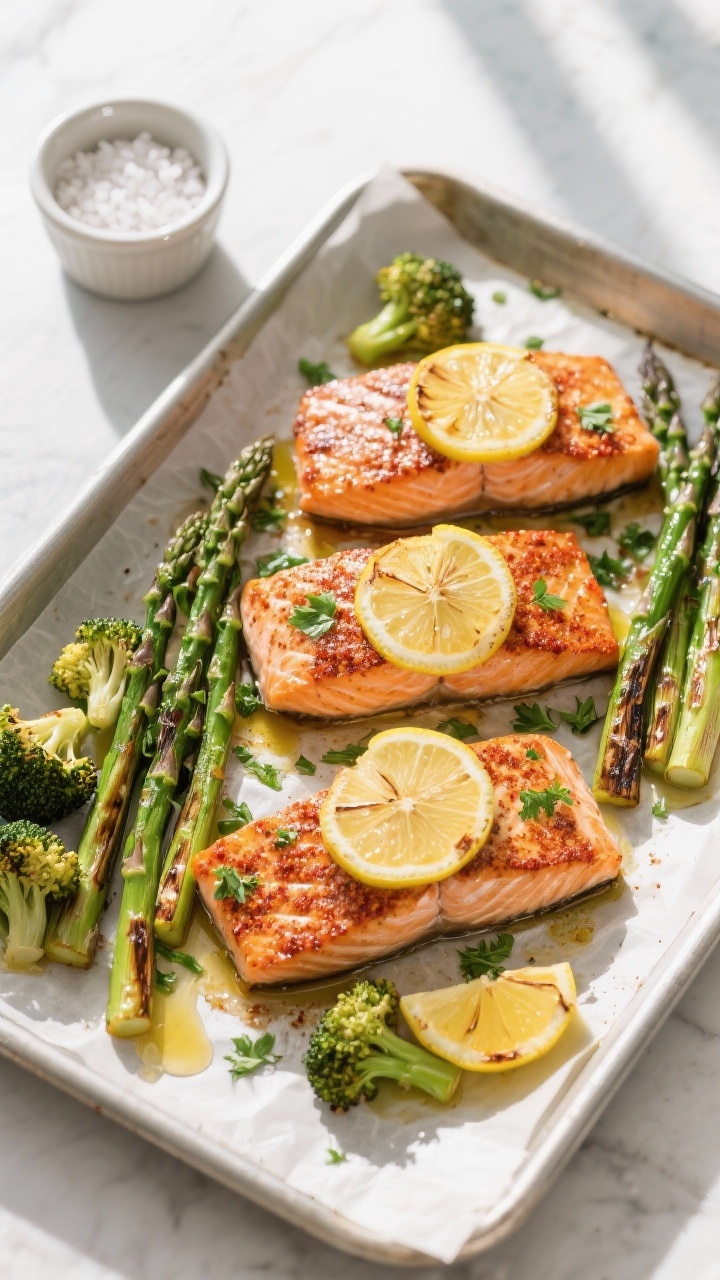
- Sheet Pan Lemon Herb Salmon and Veggies (20–25 minutes):
- Heat oven to 425°F (220°C).
Line a sheet pan with parchment.
- Toss asparagus or broccoli with olive oil, salt, and pepper. Spread on the pan.
- Place salmon fillets on top. Brush with olive oil, sprinkle with salt, pepper, and paprika.
Add lemon slices.
- Roast 12–15 minutes until salmon flakes easily. Finish with chopped parsley and a squeeze of lemon.
- Heat oven to 425°F (220°C).
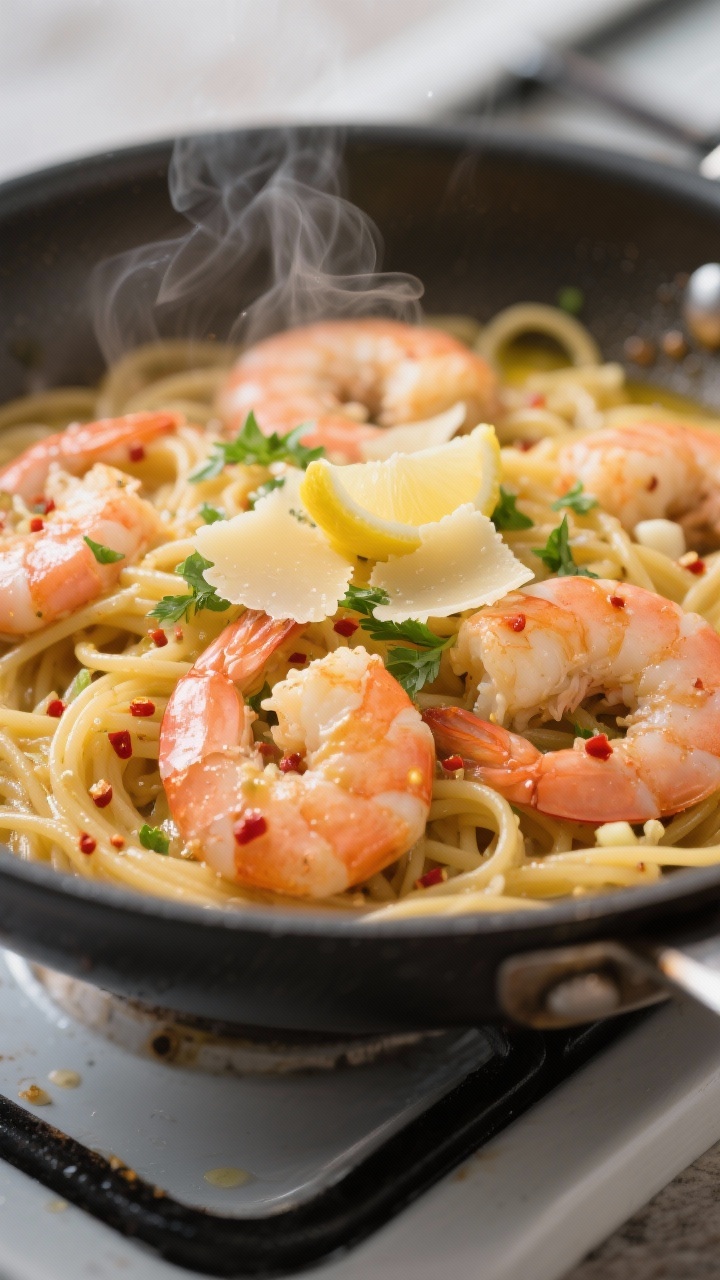
- Garlic Butter Shrimp Pasta (20 minutes):
- Cook pasta in salted water. Reserve 1/2 cup pasta water.
- In a large skillet, melt butter with olive oil over medium heat.
Add minced garlic and chili flakes for 30 seconds.
- Add shrimp, salt, and pepper. Cook 2–3 minutes per side until pink.
- Toss in cooked pasta, a splash of pasta water, lemon juice, and parsley. Add Parmesan if you like.
- Fish Taco Skillet (15–18 minutes):
- Season white fish with cumin, smoked paprika, salt, and pepper.
- Sear in a little oil over medium-high heat, 2–3 minutes per side, until it flakes.
- Warm tortillas.
Make a quick slaw with shredded cabbage, lime juice, salt, and a spoonful of mayo or yogurt.
- Flake the fish and assemble tacos with slaw, cilantro, and a drizzle of hot sauce or salsa.
- One-Pan Tomato Basil Cod (20 minutes):
- Sauté sliced garlic in olive oil. Add cherry tomatoes and a pinch of salt; cook until they burst.
- Stir in a splash of broth or white wine. Nestle cod fillets into the sauce.
- Cover and simmer 6–8 minutes until the fish is opaque and flakes.
- Finish with basil, a knob of butter, and serve over rice or with crusty bread.
- 10-Minute Seared Scallops with Lemon Capers:
- Pat scallops dry.
Season with salt and pepper.
- Sear in a very hot skillet with oil 1–2 minutes per side until deeply browned.
- Remove scallops. Add a small knob of butter, lemon juice, and capers to the pan. Spoon over scallops.
- Serve with a simple salad or steamed greens.
- Pat scallops dry.
- Creamy Coconut Shrimp (15 minutes):
- Sauté onion and garlic in oil.
Add shrimp with salt and a pinch of curry powder.
- Pour in coconut milk and simmer 3–4 minutes until slightly thickened.
- Add lime juice and cilantro. Serve over rice or couscous.
- Sauté onion and garlic in oil.
- Pantry Tuna Puttanesca (15 minutes):
- Sauté garlic and chili flakes in olive oil. Add canned tomatoes, olives, and capers; simmer 5 minutes.
- Stir in canned tuna and cooked pasta.
Finish with parsley and a little pasta water for gloss.
Keeping It Fresh
- Use frozen wisely: Frozen shrimp and fish are often as fresh as “fresh.” Thaw in the fridge or under cold running water in a sealed bag.
- Dry before cooking: Pat seafood dry for better browning and fewer splatters.
- Cook fast, rest briefly: Most seafood cooks in minutes. Pull it just opaque, then rest for 2–3 minutes to finish gently.
- Acid at the end: Add lemon or vinegar after cooking to keep flavors bright and avoid overcooking in the pan.
Why This is Good for You
- Lean protein: Seafood offers high-quality protein without heavy saturated fat.
- Omega-3s: Salmon, sardines, and tuna support heart and brain health.
- Quick cooking: Short cook times help preserve nutrients and make weeknights easier.
- Balanced meals: Pair with veggies and whole grains for fiber, vitamins, and steady energy.
What Not to Do
- Don’t overcook: Dry, tough seafood happens fast. Remove when just opaque or at 125–130°F for salmon, 140–145°F for white fish.
- Don’t skip seasoning: Salt early and add a finishing splash of acid for a clean, fresh taste.
- Don’t crowd the pan: Overcrowding steams instead of sears.
Cook in batches if needed.
- Don’t rely only on heat: Flavor comes from aromatics, herbs, and simple sauces—use them.
Recipe Variations
- Herb swap: Use dill with salmon, cilantro with shrimp, or thyme with white fish.
- Spice it up: Add cajun seasoning to shrimp pasta or harissa to tomato-braised cod.
- Creamy twist: Stir in a spoonful of Greek yogurt or light cream at the end for a silky sauce.
- Veg-forward: Bulk up with zucchini ribbons, spinach, or roasted peppers for extra color and nutrients.
- Grain bowls: Serve seared fish over quinoa or brown rice with avocado, cucumber, and a lemon-tahini drizzle.
- Air fryer option: Cook salmon at 390°F (200°C) for 7–10 minutes or shrimp for 5–7 minutes for a fast, hands-off dinner.
FAQ
How do I know when fish is done?
Fish is done when it flakes easily with a fork and looks opaque throughout. If using a thermometer, aim for 125–130°F for salmon and 140–145°F for white fish. Pull slightly early and let it rest for a minute or two.
Can I use frozen seafood?
Yes.
Thaw in the fridge overnight or under cold running water in a sealed bag. Pat dry before cooking to avoid excess moisture and get better browning.
What’s the best oil for searing?
Use a high-heat oil like avocado, canola, or a mix of olive oil and butter. The oil prevents sticking; butter adds flavor.
Get the pan hot before adding seafood.
How can I keep my salmon from sticking?
Dry the fillets well, preheat the pan, and use enough oil. Let the salmon release naturally—don’t force it. Once a crust forms, it will lift easily.
What sides go well with seafood?
Try roasted potatoes, steamed rice, quinoa, garlic bread, or a simple green salad.
For vegetables, go with asparagus, broccoli, green beans, or a quick tomato-cucumber salad.
How long does cooked seafood keep?
Store in an airtight container for up to 2 days in the fridge. Reheat gently over low heat or enjoy chilled in salads to avoid drying it out.
Any kid-friendly options?
Yes. Mild white fish tacos, buttery shrimp pasta, or salmon with honey-mustard glaze are usually a hit.
Keep spices light and offer dipping sauces.
Do I need special equipment?
No. A good nonstick or stainless skillet, a sheet pan, and a sharp knife will handle most recipes. An instant-read thermometer is helpful but optional.
Final Thoughts
Seafood dinners don’t need long ingredient lists or complicated steps.
With a few reliable techniques and simple flavors, you can make fast, delicious meals any night of the week. Start with one method, keep the seasoning simple, and finish with fresh herbs and citrus. Once you get the rhythm, you’ll have an easy rotation of seafood favorites the whole family will enjoy.