Italian dinners don’t need to be fussy to taste amazing. With a few pantry staples, you can pull together comforting, flavorful meals any night of the week. Think silky pasta, bright tomato sauces, and crisp salads that feel special without extra effort.
These ideas are designed for busy evenings, but they still deliver that cozy, homemade feel. Grab a pot, heat up a pan, and you’ll have dinner on the table in under an hour.
Why This Recipe Works
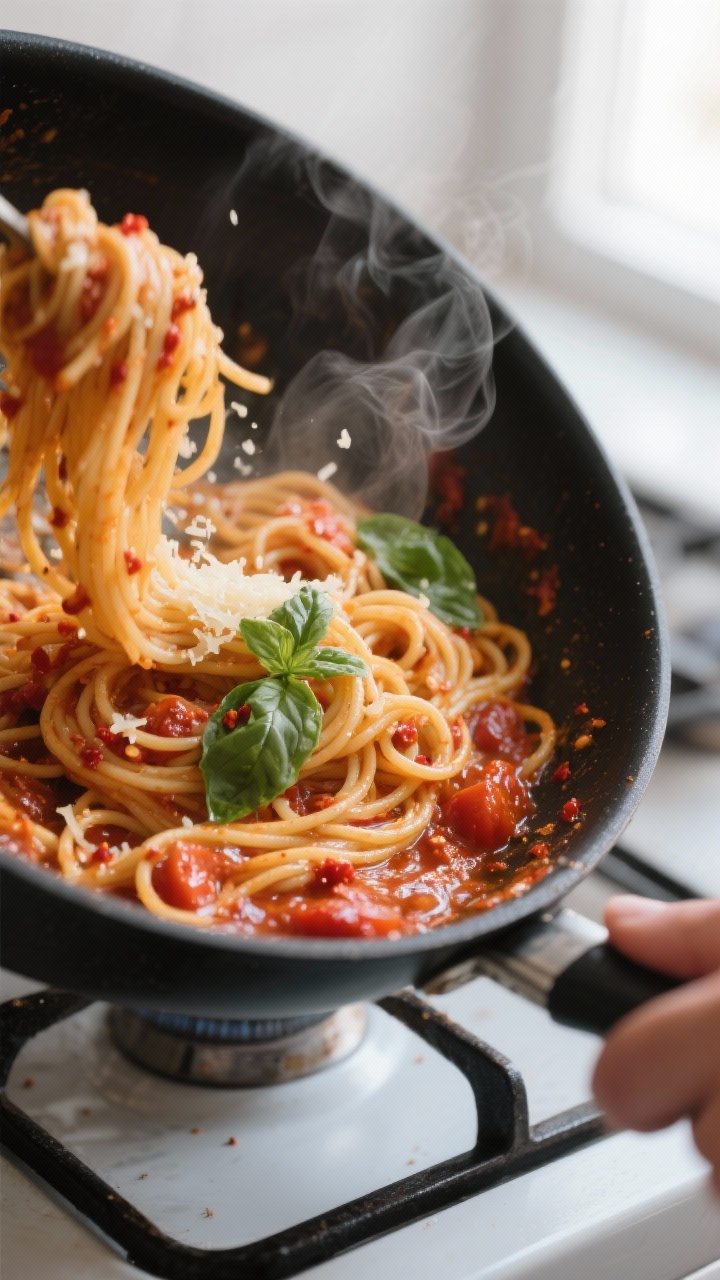
This guide focuses on a flexible, weeknight-friendly Italian menu: a quick tomato-basil pasta, a simple green salad, and garlicky roasted vegetables. Each part uses basic ingredients you probably already have.
The flavors build on each other—sweet tomatoes, fresh herbs, zesty lemon, and toasty garlic—for a balanced plate. You can swap proteins, veggies, or pasta shapes without losing the spirit of the meal.
What You’ll Need
- Pasta: Spaghetti, penne, or rigatoni
- Olive oil: Extra-virgin for flavor, regular for cooking
- Garlic: Fresh cloves
- Crushed tomatoes: Canned, high-quality
- Tomato paste: For depth and richness
- Red pepper flakes: Optional heat
- Fresh basil: Or sub dried basil/Italian seasoning
- Parmesan cheese: Freshly grated if possible
- Salt and black pepper: To taste
- Sugar or balsamic vinegar: A pinch/splash to balance acidity
- Mixed greens: Arugula, romaine, or spring mix
- Lemon: For salad dressing
- Cherry tomatoes: For the salad
- Vegetables to roast: Zucchini, bell peppers, cherry tomatoes, or mushrooms
- Italian herbs: Dried oregano and thyme
- Optional protein: Italian sausage, rotisserie chicken, shrimp, or white beans
Step-by-Step Instructions

- Preheat and prep: Heat the oven to 425°F (220°C). Line a sheet pan with parchment.
Bring a large pot of salted water to a boil for the pasta.
- Roast the veggies: Toss chopped zucchini, peppers, and mushrooms with olive oil, minced garlic, salt, pepper, and a pinch of oregano. Spread on the sheet pan and roast for 15–20 minutes, until tender and lightly browned.
- Start the sauce: In a wide skillet, warm 2 tablespoons olive oil over medium heat. Add 2–3 minced garlic cloves and a pinch of red pepper flakes.
Cook 30–60 seconds, just until fragrant.
- Build the tomato base: Add 1–2 tablespoons tomato paste and cook for 1 minute, stirring. Pour in a 28-ounce can of crushed tomatoes. Season with salt and pepper.
Simmer on low for 10–15 minutes.
- Balance the flavors: Taste the sauce. If it’s sharp, stir in a pinch of sugar or a splash of balsamic vinegar. Add torn fresh basil at the end for brightness.
- Cook the pasta: Drop the pasta into boiling water.
Cook until just al dente, checking the package for timing. Reserve 1 cup of pasta water before draining.
- Combine pasta and sauce: Add drained pasta to the skillet with sauce. Toss, adding splashes of reserved pasta water to loosen and create a silky texture.
Stir in a handful of grated Parmesan.
- Make a quick salad: Whisk 2 tablespoons olive oil, the juice of half a lemon, salt, and pepper. Toss with mixed greens and halved cherry tomatoes. Add shaved Parmesan if you like.
- Add protein (optional): Sear shrimp, brown sausage, or warm white beans in a separate pan with olive oil and garlic.
Fold into the pasta or serve on the side.
- Serve: Plate the pasta, top with roasted veggies and extra basil. Serve with the salad and more Parmesan. Finish with a drizzle of good olive oil.
Keeping It Fresh
- Use quality canned tomatoes: They make a big difference in a simple sauce.
- Finish with fresh herbs: Stir in basil off the heat to keep the flavor bright.
- Don’t overcook pasta: Al dente pasta holds its shape and absorbs sauce better.
- Roast, don’t steam: Spread vegetables in a single layer so they caramelize, not soften.
- Season at each step: Salt the pasta water, taste the sauce, and dress the salad lightly.
Health Benefits
- Heart-healthy fats: Olive oil provides monounsaturated fats that support heart health.
- Antioxidants: Tomatoes are rich in lycopene, which may help protect against inflammation.
- Fiber and vitamins: Roasted vegetables and salad add fiber, vitamin C, and potassium.
- Balanced plate: Add lean protein and whole-grain pasta for steady energy and satiety.
- Portion control made easy: A mix of pasta, veggies, and greens helps you fill your plate without overdoing it.
What Not to Do
- Don’t rinse the pasta: You’ll wash away starch that helps the sauce cling.
- Don’t add dry herbs too late: Dried herbs need time to bloom; add them while the sauce simmers.
- Don’t drown the salad: Too much dressing wilts greens and overpowers fresh flavors.
- Don’t skip tasting: Adjust salt, acidity, and heat as you cook for the best result.
- Don’t overcrowd the sheet pan: Give veggies space to brown properly.
Alternatives
- Creamy twist: Stir in a splash of cream or mascarpone for a rosé sauce.
- Veggie-forward: Swap half the pasta for zucchini noodles or add spinach to the sauce.
- Protein swaps: Try grilled chicken, turkey meatballs, sautéed shrimp, or cannellini beans.
- Pasta shapes: Use shells, fusilli, or farfalle—choose shapes that hold sauce well.
- Flavor boosters: Capers, olives, or a few anchovies add a savory kick without much effort.
- Gluten-free: Use gluten-free pasta and check labels on tomato products and broth.
- Dairy-free: Skip Parmesan or use a dairy-free alternative and finish with extra olive oil.
FAQ
Can I make the sauce ahead of time?
Yes.
The tomato sauce keeps well in the fridge for 4–5 days and freezes for up to 3 months. Reheat gently and add a splash of water if it’s too thick.
What if I don’t have fresh basil?
Use 1–2 teaspoons dried basil or Italian seasoning, added during the simmer. Finish with a little lemon zest or parsley for freshness.
How salty should the pasta water be?
Salty like the sea—about 1–1.5 tablespoons of kosher salt per pound of pasta.
This seasons the pasta from within and improves the final flavor.
Can I use fresh tomatoes instead of canned?
Yes. Use ripe plum tomatoes, peel if you like, and cook them down a bit longer. You may need a pinch of sugar to balance acidity.
What’s the best way to reheat pasta?
Warm it in a skillet with a splash of water or broth, stirring until the sauce loosens.
Avoid microwaving on high for too long, which can dry it out.
How do I keep the salad crisp?
Dress the greens right before serving and pat them dry after washing. Cold, dry lettuce stays crisp longer.
Can I make it spicy?
Absolutely. Add more red pepper flakes to the oil with the garlic, or swirl in a spoonful of Calabrian chili paste.
Is Parmesan necessary?
It adds savory depth, but you can skip it or use Pecorino Romano for a sharper bite.
Nutritional yeast offers a dairy-free, cheesy note.
What sides go well with this?
Garlic bread, a simple antipasto plate, or a bowl of marinated olives all pair nicely without much extra work.
How can I make it more filling?
Add protein, use whole-grain pasta, and serve with a hearty side like roasted potatoes or a bean salad.
Wrapping Up
Italian dinners can be weeknight-easy and still taste restaurant-good. With a smart tomato sauce, a crisp salad, and roasted vegetables, you’ve got a reliable base you can tweak anytime. Keep good olive oil, canned tomatoes, garlic, and pasta on hand, and you’re halfway to dinner.
Change the protein, switch the veggies, and you’ll never get bored. Simple, satisfying, and ready when you are—exactly what a busy night needs.