Baked catfish is one of those meals that feels special but takes hardly any effort. The fillets cook fast, the flavors are bright, and cleanup is simple. If you’re trying to eat lighter without giving up taste, this recipe fits right in.
The seasoning is simple and pantry-friendly, and the fish turns out tender with a little golden color on top. Pair it with a salad, rice, or roasted veggies, and dinner is done.
Why This Recipe Works
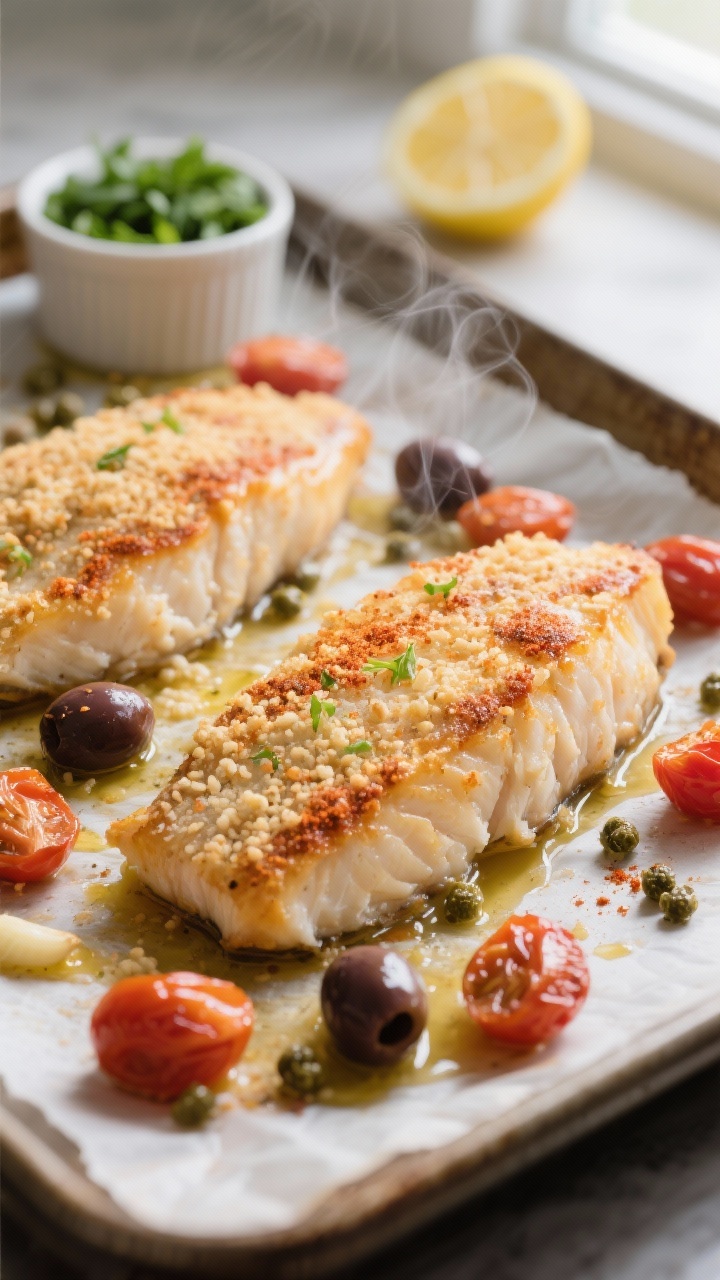
- Quick cooking time: Catfish fillets are thin and bake in under 20 minutes, so you can get dinner on the table fast.
- Healthy ingredients: Olive oil, lemon, and spices deliver big flavor without heavy breading or frying.
- Balanced seasoning: Paprika, garlic, and lemon complement the mild flavor of catfish without overpowering it.
- Customizable: You can adjust the spice level, swap herbs, or add a breadcrumb topping for crunch.
- Consistent results: The method keeps the fish moist while giving a light, golden finish.
Ingredients
- 4 catfish fillets (about 4–6 ounces each), patted dry
- 2 tablespoons olive oil
- 1 lemon (zest and juice), plus extra wedges for serving
- 2 cloves garlic, minced (or 1 teaspoon garlic powder)
- 1 teaspoon paprika (smoked or sweet)
- 1/2 teaspoon onion powder
- 1/2 teaspoon dried thyme or oregano
- 1/4 teaspoon cayenne or red pepper flakes (optional, for heat)
- Salt and black pepper, to taste
- 2 tablespoons chopped fresh parsley (for garnish)
- Optional: 1/3 cup panko breadcrumbs tossed with 1 teaspoon olive oil for a light crust
How to Make It
- Preheat the oven: Heat your oven to 400°F (200°C). Line a baking sheet with parchment or lightly grease a baking dish.
- Prep the fish: Pat the catfish dry with paper towels.
Drying helps the seasoning stick and encourages light browning.
- Make the seasoning mix: In a small bowl, combine olive oil, lemon zest, half the lemon juice, garlic, paprika, onion powder, thyme, cayenne (if using), salt, and pepper. Stir into a loose paste.
- Season evenly: Brush or rub the mixture over both sides of each fillet. Place the fillets on the prepared pan, spacing them slightly.
- Add optional crunch: If you’re using panko, sprinkle a thin, even layer over the tops of the fillets.
Press lightly so it adheres.
- Bake: Bake for 12–16 minutes, depending on thickness. The fish is done when it flakes easily with a fork and reaches 145°F (63°C) in the center.
- Finish with lemon: Squeeze the remaining lemon juice over the baked fish. Sprinkle with fresh parsley.
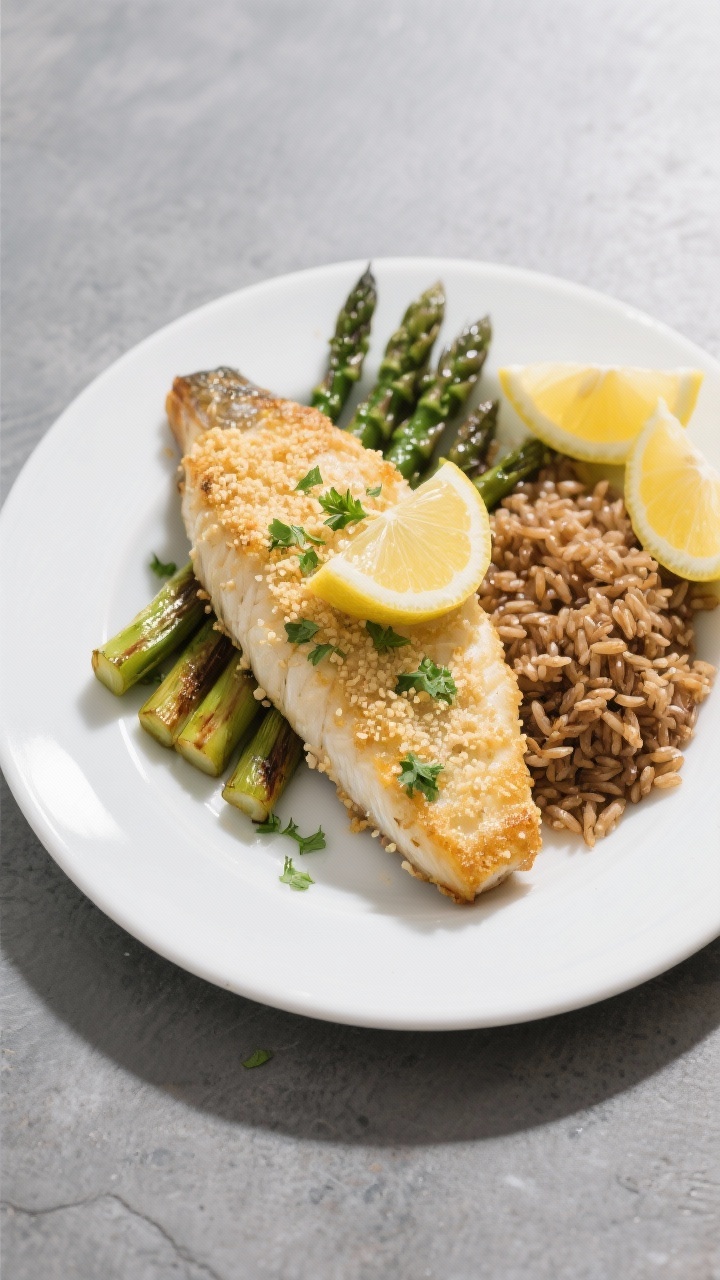
- Serve: Plate with extra lemon wedges.
Great with steamed green beans, roasted asparagus, or a simple brown rice pilaf.
Storage Instructions
- Refrigerate: Store leftovers in an airtight container for up to 2 days.
- Reheat: Warm gently in a 300°F (150°C) oven for 8–10 minutes or in a covered skillet over low heat with a splash of water or broth. Avoid microwaving too long, which can dry it out.
- Freeze: Cooked catfish can be frozen for up to 2 months. Wrap tightly to prevent freezer burn.
Thaw overnight in the fridge before reheating.
- Meal prep tip: Flake leftover catfish and use it in tacos, grain bowls, or on a salad with a lemony vinaigrette.
Health Benefits
- Lean protein: Catfish provides a solid amount of protein with relatively few calories, helping with fullness and muscle maintenance.
- Balanced fats: It contains healthy fats, and baking with olive oil adds heart-friendly monounsaturated fat.
- Lower sodium potential: You control the salt, making it a good choice for lower-sodium diets.
- Vitamin and mineral support: Catfish offers B vitamins and minerals like phosphorus and selenium that support energy and immune function.
- Lighter cooking method: Baking avoids the extra oil from frying while still delivering flavor and a satisfying texture.
Pitfalls to Watch Out For
- Overcooking: Thin fillets can go from perfect to dry quickly. Start checking at 12 minutes and use a thermometer if you have one.
- Skipping the pat-dry step: Moisture on the surface prevents browning and dilutes spices.
- Too much lemon juice before baking: Acid can make the surface mushy. Use half before baking and finish with more after.
- Uneven fillets: If some pieces are much thinner, fold the thin ends under so everything cooks evenly.
- Under-seasoning: Catfish is mild.
Be generous with salt, pepper, and spices for the best flavor.
Variations You Can Try
- Cajun style: Swap the spices for a Cajun or Creole blend. Add a pinch of brown sugar for balance and a squeeze of lemon at the end.
- Lemon-pepper crunch: Mix panko with lemon zest, cracked pepper, and a little grated Parmesan. Press on top before baking.
- Herb-forward: Use fresh dill, parsley, and chives with garlic and olive oil.
Great with a yogurt-dill sauce.
- Spicy citrus: Add chili powder and a dash of hot sauce to the seasoning, and finish with lime juice instead of lemon.
- Mediterranean: Scatter sliced cherry tomatoes, olives, and capers around the fillets. Drizzle with olive oil and bake.
- Sheet-pan meal: Add asparagus, zucchini, or thin potato slices to the pan. Start the veggies first if they need more time.
FAQ
How do I know when catfish is fully cooked?
The flesh should turn opaque and flake easily with a fork.
A thermometer inserted into the thickest part should read 145°F (63°C). If it still looks glossy and resists flaking, give it a couple more minutes.
Can I use frozen catfish fillets?
Yes. Thaw them overnight in the refrigerator and pat them very dry before seasoning.
If baking from frozen, expect to add several minutes and watch for excess moisture on the pan.
What can I substitute for catfish?
Tilapia, swai, cod, or haddock all work with the same method. Thicker fish may need a few extra minutes in the oven.
Is catfish muddy-tasting?
Good-quality catfish should taste mild and clean. If you’re sensitive to any earthy notes, the lemon, garlic, and paprika help balance the flavor.
Do I need to marinate the fish?
Not necessary.
The seasoning paste penetrates quickly. If you want to marinate, keep it under 30 minutes to avoid the lemon juice changing the texture too much.
Can I make this recipe dairy-free and gluten-free?
It’s naturally dairy-free. Skip the panko or use a gluten-free breadcrumb to keep it gluten-free.
What side dishes pair well with baked catfish?
Try roasted asparagus, sautéed spinach, coleslaw, quinoa, brown rice, or a simple cucumber-tomato salad with olive oil and lemon.
How can I make it extra crispy without frying?
Use the panko topping, brush it with a touch of oil, and broil for 1–2 minutes at the end.
Keep a close eye to prevent burning.
In Conclusion
This easy baked catfish recipe is simple, fast, and full of bright flavor. With a short ingredient list and a straightforward method, it’s perfect for busy weeknights or relaxed weekends. Keep the basics the same, customize the spices to your taste, and you’ll have a healthy, delicious dinner you can rely on.
Add a couple of favorite sides, and you’re set.