Italian pasta dishes have a way of bringing people together. They’re comforting, flavorful, and built on simple ingredients that shine when treated with care. Whether you’re feeding a family, cooking for two, or planning a casual dinner with friends, these classics never disappoint.
Today we’re walking through four beloved recipes—Spaghetti Aglio e Olio, Cacio e Pepe, Spaghetti Carbonara, and Pasta al Pomodoro—plus tips to make them the right way at home.
What Makes This Recipe So Good
- Simplicity first: Classic Italian pasta celebrates a handful of high-quality ingredients. You don’t need a long list to get incredible flavor.
- Quick to cook: Most of these dishes go from pantry to plate in under 30 minutes, making them perfect for busy nights.
- Balanced and satisfying: Good olive oil, cheese, tomatoes, and fresh pepper deliver rich flavor without heavy sauces.
- Foolproof techniques: Mastering basics like salting water, timing, and pasta water emulsions gives you restaurant-quality results.
- Endlessly adaptable: These recipes welcome seasonal add-ins like herbs, vegetables, or seafood without losing their soul.
What You’ll Need
Below are ingredients for four classic recipes. Choose one or mix and match for a pasta night spread.
Spaghetti Aglio e Olio (Garlic and Oil)
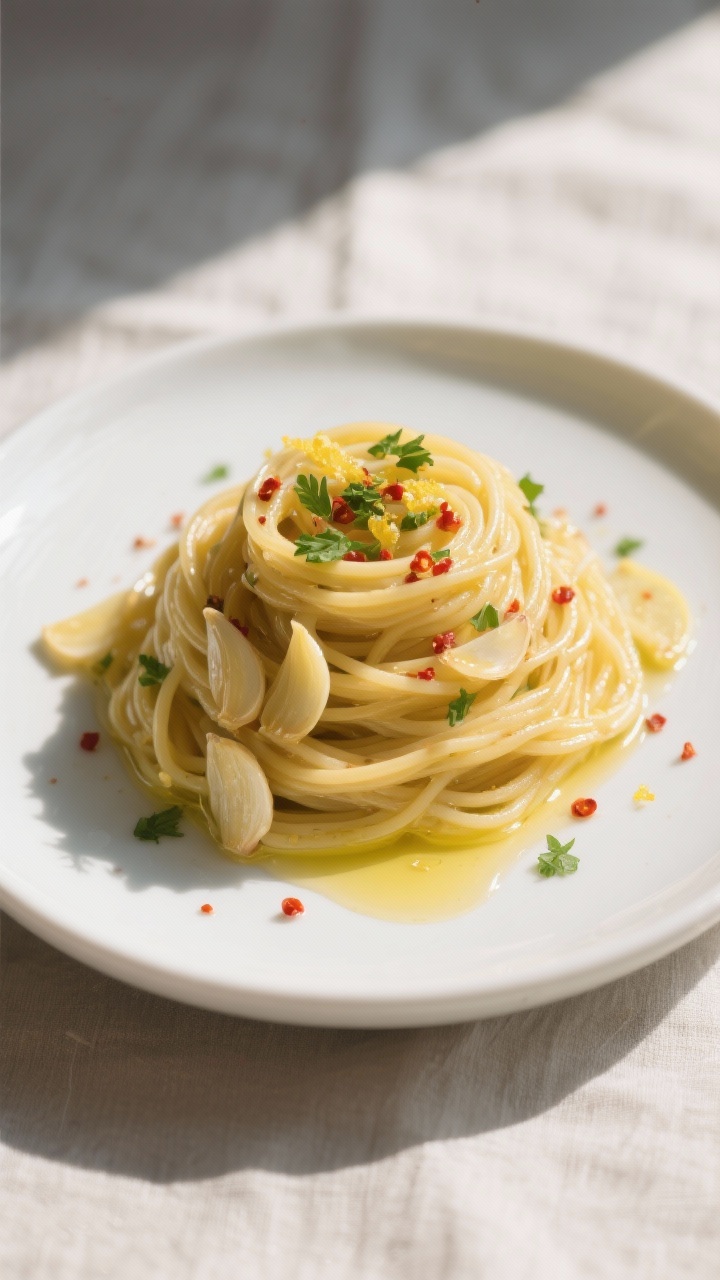
- 12 oz spaghetti
- 1/3 cup extra-virgin olive oil
- 4–6 garlic cloves, thinly sliced
- 1/2–1 tsp red pepper flakes
- Salt, to taste
- Fresh parsley, chopped (optional)
- Lemon zest (optional)
Cacio e Pepe (Cheese and Pepper)
- 12 oz spaghetti, tonnarelli, or bucatini
- 1 1/4 cups finely grated Pecorino Romano
- 1–2 tsp freshly ground black pepper
- Salt, for pasta water
Spaghetti Carbonara
- 12 oz spaghetti
- 4 oz guanciale (or pancetta), diced
- 2 whole eggs + 2 egg yolks
- 3/4 cup finely grated Pecorino Romano (or a mix with Parmigiano-Reggiano)
- Freshly ground black pepper
- Salt, for pasta water
Pasta al Pomodoro (Tomato-Basil Sauce)
- 12 oz spaghetti or penne
- 2 tbsp extra-virgin olive oil
- 2–3 garlic cloves, smashed
- 1 can (28 oz) high-quality whole peeled tomatoes
- Fresh basil leaves
- Salt and pepper
- Pinch of sugar (optional, to balance acidity)
How to Make It
- Salt your water generously: Bring a large pot to a rolling boil and add enough salt to make it taste like the sea.
This is your foundation for flavor.
- Cook the pasta until al dente: Follow the package but start checking a minute or two early. Reserve at least 1 cup of pasta water before draining.
- For Aglio e Olio: Warm olive oil over medium heat. Add garlic and cook gently until fragrant and just golden, not brown. Stir in red pepper flakes.
Toss with pasta, splash in pasta water to loosen, season with salt, and finish with parsley or lemon zest.
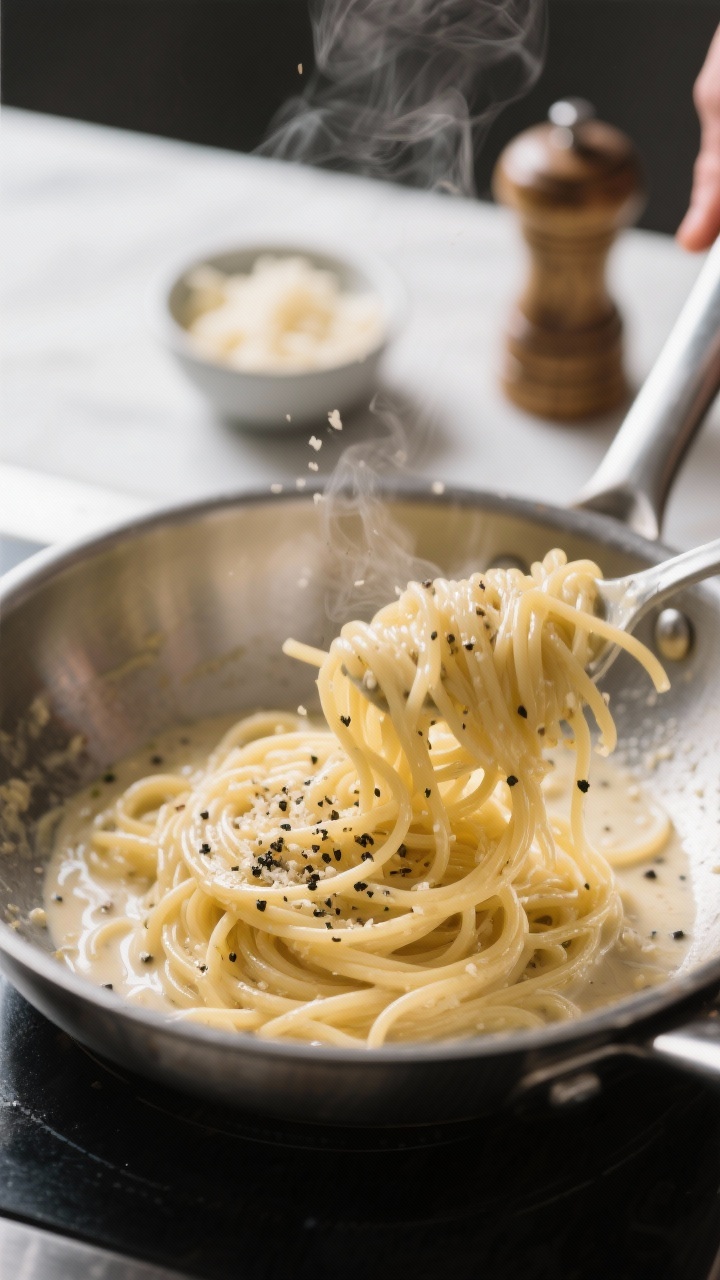
- For Cacio e Pepe: Toast black pepper in a dry pan for 30–60 seconds. Add a ladle of pasta water and simmer. Off the heat, add pasta and gradually toss in Pecorino while stirring quickly to create a silky sauce.
Add more pasta water as needed for creaminess.
- For Carbonara: Cook guanciale until crisp; remove from heat. Whisk eggs, yolks, and cheese in a bowl. Add hot pasta to the pan (off the heat), then quickly mix in the egg-cheese mixture, tossing vigorously.
Adjust with pasta water for a glossy sauce. Season with pepper.
- For Pomodoro: Sauté garlic in olive oil until fragrant. Add crushed tomatoes with juices, season, and simmer 15–20 minutes.
Stir in torn basil. Toss with pasta and a splash of pasta water to bind.
- Taste and finish: Adjust salt, add more pepper or cheese if needed, and serve immediately.
Storage Instructions
- Refrigeration: Store leftovers in an airtight container for up to 3 days. Carbonara is best the day it’s made, but it can be gently reheated.
- Reheating: Warm in a skillet with a splash of water or broth over low heat.
For carbonara, reheat very gently to avoid scrambling.
- Freezing: Tomato-based sauces freeze well for 2–3 months. Avoid freezing cacio e pepe or carbonara as they can separate.
Health Benefits
- Portion-friendly energy: Pasta offers steady carbs that keep you satisfied when paired with protein or healthy fats.
- Heart-healthy fats: Extra-virgin olive oil brings antioxidants and monounsaturated fats that support heart health.
- Protein and calcium: Cheeses like Pecorino and Parmigiano add protein, calcium, and big flavor, so a little goes a long way.
- Lycopene boost: Tomato sauces are rich in lycopene, an antioxidant more available after cooking.
- Add fiber easily: Choose whole-wheat pasta or add greens like spinach or arugula for extra fiber and nutrients.
What Not to Do
- Don’t overcook pasta: Mushy pasta won’t hold sauce. Aim for al dente with a slight bite.
- Don’t forget to salt the water: This is your main seasoning step.
Under-salted water leads to dull flavors.
- Don’t burn the garlic: Bitter garlic ruins aglio e olio. Cook it gently until just golden.
- Don’t add cream to carbonara: The creaminess comes from eggs, cheese, and pasta water. Heat control is key.
- Don’t skip the pasta water: That starchy liquid helps emulsify sauces and bring everything together.
Variations You Can Try
- Add veggies: Toss in sautéed zucchini, cherry tomatoes, peas, mushrooms, or spinach.
- Switch the pasta: Try bucatini, rigatoni, or tonnarelli for a different bite and sauce cling.
- Spice it up: Calabrian chili paste adds a gentle heat and fruity depth to aglio e olio or pomodoro.
- Protein options: Add grilled chicken, shrimp, or white beans to make it more filling.
- Herb upgrades: Fresh basil, parsley, or a touch of oregano can brighten flavors at the end.
- Cheese blends: Mix Pecorino with Parmigiano for a balanced bite in cacio e pepe or carbonara.
FAQ
What pasta shape works best for these recipes?
Spaghetti is a solid choice for all four.
Bucatini works well for cacio e pepe and carbonara, while penne or rigatoni pair nicely with pomodoro if you prefer a short shape.
How salty should pasta water be?
It should taste like the sea—salty but not overwhelming. A good guide is 1–1.5 tablespoons of kosher salt per 4 quarts of water.
Can I make these recipes gluten-free?
Yes. Use a good-quality gluten-free pasta and handle it gently.
Reserve pasta water the same way; the starch content will still help emulsify sauces.
Why does my cacio e pepe clump?
Cheese can seize if the pan is too hot or the cheese isn’t finely grated. Remove the pan from heat, add pasta water first, then sprinkle in cheese gradually while tossing quickly.
Can I substitute bacon for guanciale in carbonara?
Guanciale is traditional and offers a unique flavor, but pancetta or thick-cut bacon works in a pinch. Keep in mind bacon is smokier and saltier, so adjust seasoning.
Do I need fresh tomatoes for pomodoro?
No.
High-quality canned whole tomatoes often taste better year-round. Crush them by hand or with a spoon for the best texture.
Is olive oil extra-virgin necessary?
For dishes like aglio e olio and pomodoro, yes. Extra-virgin olive oil adds fresh, peppery flavor you’ll notice.
Final Thoughts
Classic Italian pasta is all about good ingredients, a few smart techniques, and confidence at the stove.
Once you master the basics—salting water, timing pasta, and using pasta water for emulsions—you can turn out silky, vibrant dishes any night of the week. Keep it simple, taste as you go, and let the ingredients speak. These timeless recipes earn a place in any kitchen and never go out of style.