Catfish pepper soup is the kind of dish that warms you from the inside out. It’s bold, fragrant, and full of comfort without feeling heavy. The broth is clear yet rich with spices, and the fish stays tender and juicy.
This is a staple in many West African homes, especially in Nigeria, and it’s easy to see why. If you’re craving something spicy, soothing, and deeply satisfying, this soup will hit the spot.
What Makes This Recipe So Good
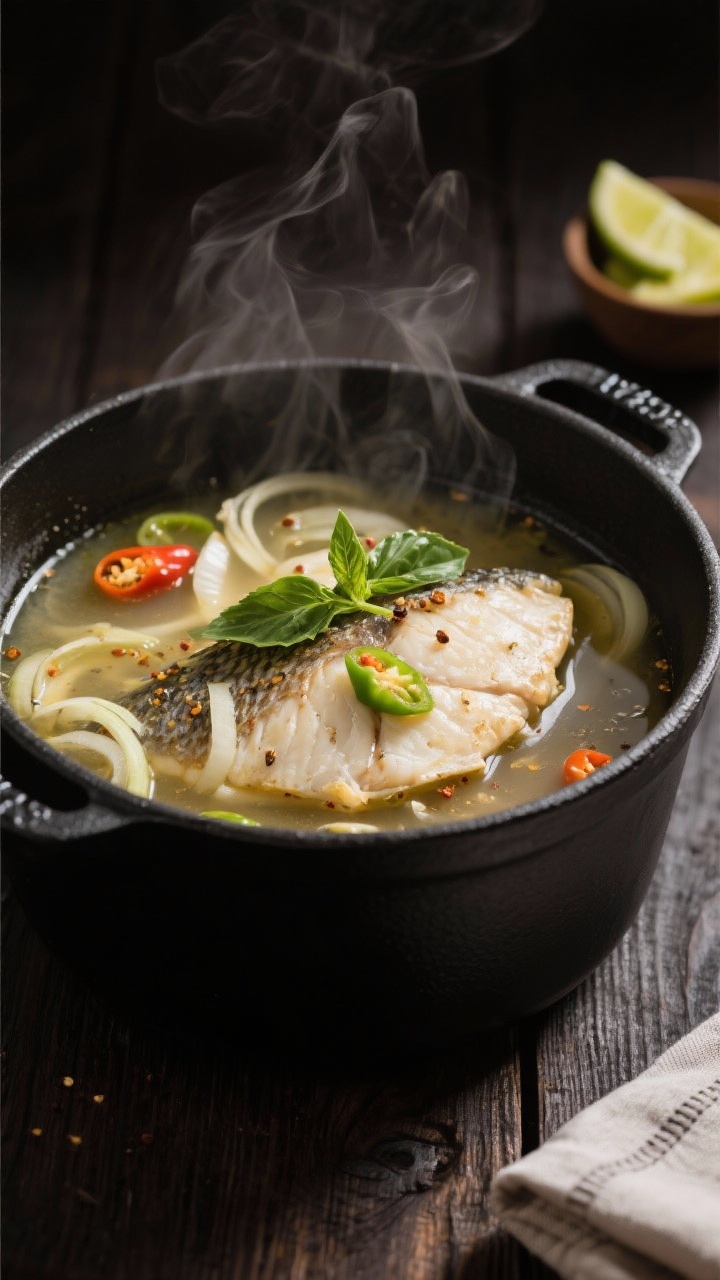
- Light but deeply flavorful: The broth is clear, not creamy, but delivers big flavor from a blend of spices and aromatics.
- Quick to prepare: With basic prep and a short simmer, you can have this on the table in under an hour.
- Comfort food with a kick: The warmth from the pepper and the freshness of herbs make it both soothing and invigorating.
- Nutritious and satisfying: Catfish is high in protein and omega-3s, and the soup is naturally gluten-free.
- Authentic flavor: Traditional pepper soup spice mix brings that familiar, aromatic taste loved across West Africa.
Shopping List
- Fresh catfish (about 1.5–2 pounds), cleaned and cut into steaks or chunks
- Pepper soup spice blend (use a store-bought mix or a blend of calabash nutmeg, grains of Selim, alligator pepper, and cloves)
- Scotch bonnet or habanero pepper (1–2, to taste)
- Fresh ginger (1-inch piece)
- Garlic (3–4 cloves)
- Onions (1 large, divided: half for blending, half sliced)
- Seasoning cubes or powder (maggi/stock cube), optional but traditional
- Fish stock or water (about 6 cups)
- Fresh scent leaves (nchuanwu), utazi, or substitute with basil and a few arugula leaves for a slight bitter note
- Fresh parsley or cilantro (optional, for garnish)
- Salt
- Ground black or white pepper (optional)
- Lime or lemon (for cleaning the fish and for serving)
Instructions
- Clean the fish: Rinse the catfish pieces in cold water, then rub with lime or lemon juice to reduce any sliminess and odor. Rinse again and set aside.
Pat dry gently.
- Blend the aromatics: In a blender, combine the ginger, garlic, half the onion, and one Scotch bonnet (seeded for less heat). Add a splash of water and blend to a smooth paste.
- Build the broth: In a pot, add the fish stock or water, the blended paste, remaining sliced onion, and 1–2 teaspoons of pepper soup spice blend. Bring to a gentle boil over medium heat.
- Season: Add salt and a crushed seasoning cube if using.
Taste and adjust the salt and spice level. You want a bold, aromatic broth before adding fish.
- Add the fish: Reduce the heat to a simmer. Carefully place the catfish pieces into the pot.
Don’t stir vigorously—catfish is delicate and can break apart.
- Simmer gently: Cook uncovered for 12–15 minutes, or until the fish is opaque and flakes easily. Skim any foam from the surface as needed.
- Finish with herbs: Add chopped scent leaves or basil and a few torn utazi leaves (or a small handful of arugula for subtle bitterness). Simmer for 2–3 more minutes.
- Final taste check: Adjust salt, pepper, and heat.
If you want it hotter, add more sliced Scotch bonnet at the end so the fresh heat shines through.
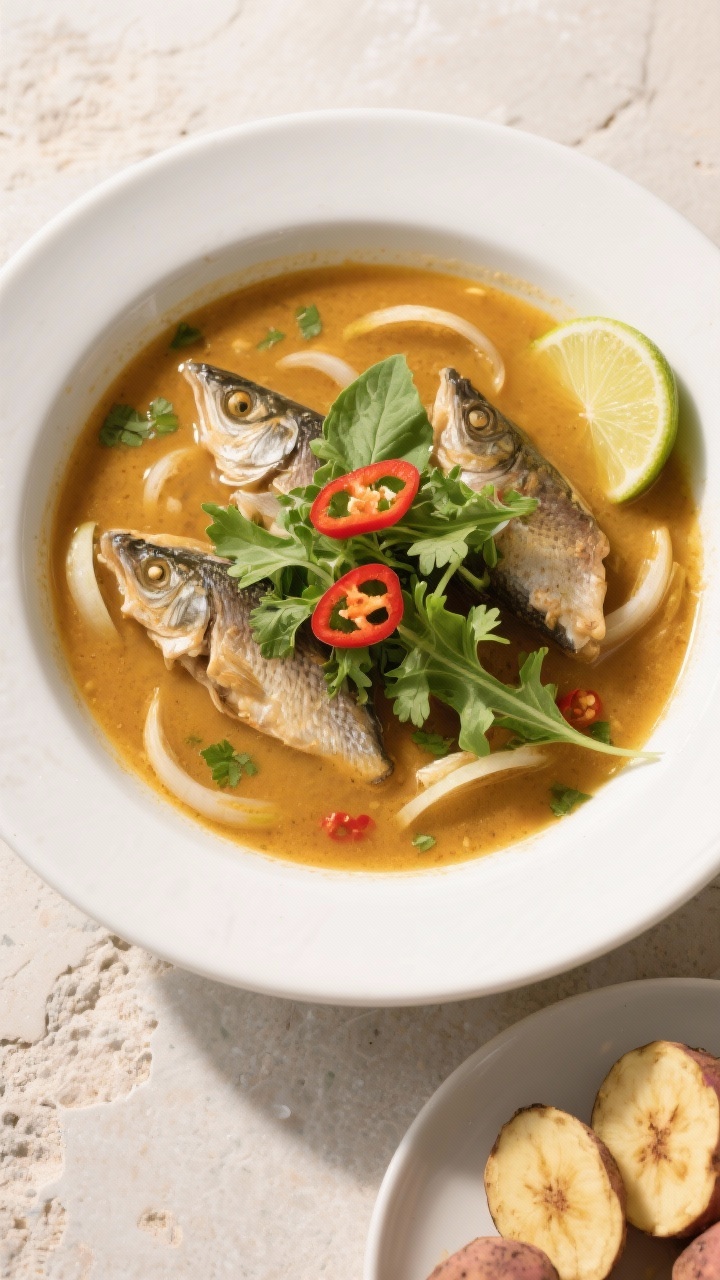
- Serve: Ladle into bowls and garnish with fresh parsley or cilantro if you like. Serve hot with lime wedges. Enjoy as is, or pair with boiled yam, plantains, white rice, or agidi (eko).
Storage Instructions
- Refrigerator: Cool completely, then store in an airtight container for up to 2 days.
Reheat gently on the stove; avoid boiling hard to keep the fish intact.
- Freezer: The broth freezes well for up to 2 months. If you plan to freeze, remove the fish pieces after cooking and freeze the broth separately. Add fresh-cooked fish when reheating for best texture.
- Reheating: Warm over low heat until steaming.
Add a splash of water if the broth has reduced.
Benefits of This Recipe
- Great for cold days or when you’re under the weather: The warming spices and steam help clear the senses.
- High in protein, low in heaviness: You get satisfying nutrition without a heavy, creamy base.
- Flexible heat level: Adjust the spice to suit everyone at the table.
- Cultural comfort: It’s a beloved, traditional dish that brings a taste of home and heritage.
- Simple pantry-friendly build: With a pepper soup spice blend on hand, the rest is easy.
What Not to Do
- Don’t over-stir the pot: Catfish flakes easily. Stir gently or swirl the pot instead.
- Don’t overcook the fish: It can turn tough or mushy. Once opaque and flaky, it’s done.
- Don’t skip cleaning with citrus: A quick rub with lime or lemon improves flavor and reduces sliminess.
- Don’t drown the soup in spices: Pepper soup spice is potent.
Start small and build up.
- Don’t forget fresh herbs: The final handful of scent leaves or basil brightens the whole dish.
Alternatives
- Fish options: If catfish isn’t available, use tilapia, snapper, or mackerel. Adjust cooking time based on thickness.
- Protein swap: Goat meat, chicken, or assorted offal are traditional in pepper soup. These need longer simmering before adding spices and herbs.
- Spice blend substitute: If you can’t find a pepper soup mix, use a blend of ground calabash nutmeg (ehuru), grains of Selim (uda), a pinch of cloves, black pepper, and a little alligator pepper.
- Herb substitutes: Scent leaves can be replaced with Thai basil or Italian basil.
For a subtle bitter note like utazi, use a few arugula or dandelion leaves.
- Heat control: Swap Scotch bonnet for fresh serrano or cayenne, or use crushed red pepper flakes in a pinch.
FAQ
Is catfish pepper soup very spicy?
It can be, but it doesn’t have to be. Start with half a Scotch bonnet and add more to taste. The pepper soup spice provides warmth even with mild chilies.
Can I make it ahead?
Yes, but for best texture, cook the broth ahead and add the fish shortly before serving.
Reheat the broth, slide in the fish, and simmer just until done.
What can I serve with it?
It’s great on its own or with sides like boiled yam, plantains, white rice, or agidi (eko). Bread works too if you’re keeping it simple.
Do I need stock cubes?
They’re optional. If your broth is well seasoned with salt, aromatics, and the spice mix, you can skip them.
Use a light hand if you do add them.
How do I keep the fish from breaking apart?
Add it when the broth is gently simmering, not boiling hard. Avoid stirring with a spoon; instead, tilt and swirl the pot if you need to move things around.
Can I use frozen fish?
Yes. Thaw completely in the fridge, pat dry, then clean with a little lime before cooking.
Frozen fish may release more liquid, so adjust seasoning as needed.
What if I can’t find scent leaves or utazi?
Use basil for aroma and a few arugula leaves for a mild bitter edge. It won’t be exactly the same, but it keeps the spirit of the dish.
How long does it take to cook?
Once the broth is ready, the fish cooks in about 12–15 minutes. Start to finish, expect around 40–50 minutes.
Can I reduce the oil content?
This soup is naturally lean.
If your stock has visible fat, skim it, but there’s usually no added oil needed.
Is pepper soup gluten-free?
Yes, as long as your spice blend and stock cubes (if using) are gluten-free. Most are, but check labels to be sure.
Final Thoughts
Catfish pepper soup is the kind of recipe that proves simple ingredients can deliver deep comfort. With a few key spices, fresh herbs, and tender fish, you get a bowl that’s bright, warming, and wonderfully traditional.
Keep the technique gentle, taste as you go, and finish with those fragrant herbs. You’ll end up with a timeless soup you’ll want to make again and again.