Camping with kids is all about simple meals, happy bellies, and minimal cleanup. You don’t need fancy gear or complicated recipes to make food they’ll love. The best camping food is hands-on, customizable, and forgiving.
This easy guide gives you one flexible, kid-approved meal plan you can cook over a campfire or camp stove. It’s fun to prep, fast to make, and big on flavor without the fuss.
Why This Recipe Works
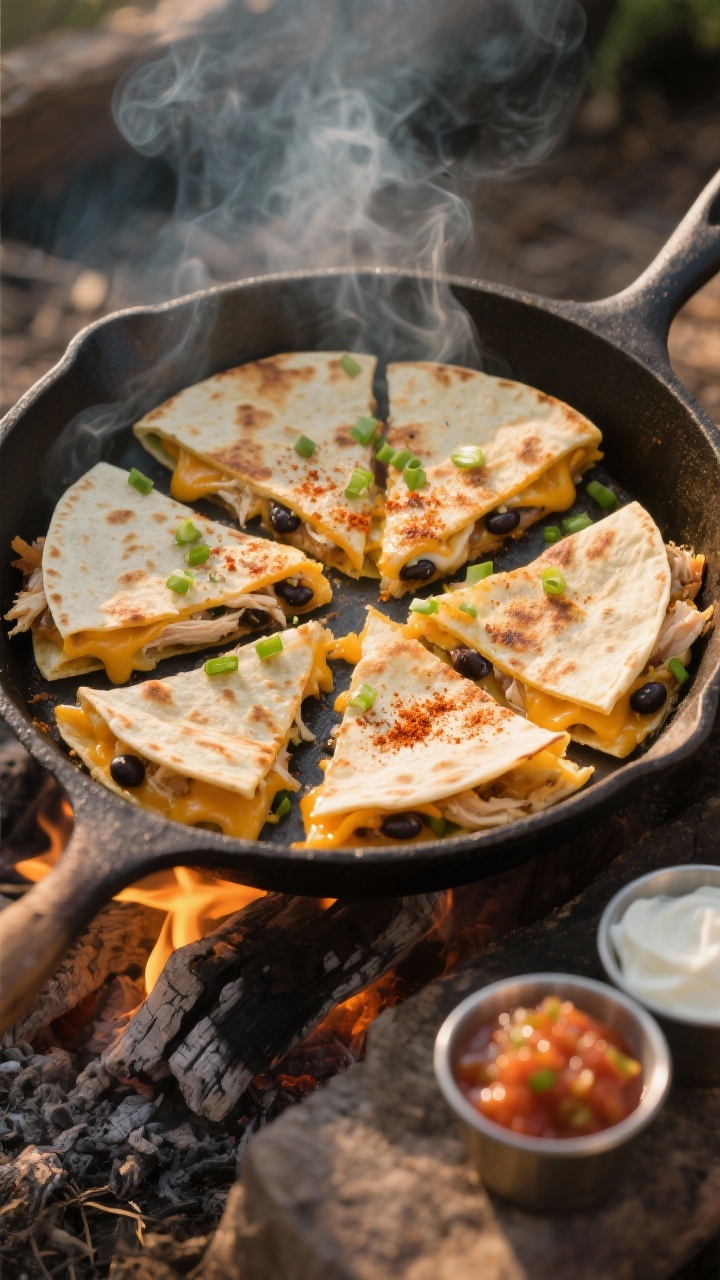
This “recipe” is a complete kid-friendly camping menu built around simple, modular meals: campfire quesadillas, walking tacos, foil-pack potatoes and veggies, and banana boat s’mores. Each part is easy to tweak for picky eaters and allergies.
The prep happens mostly at home, so cooking at camp is quick. Cleanup is light, and everything uses common ingredients you can find anywhere. It also scales well for groups, so you can feed one child or a whole troop without stress.
What You’ll Need
- Tortillas: Flour or corn, for quesadillas and breakfast wraps
- Shredded cheese: Cheddar, mozzarella, or a blend
- Cooked protein: Shredded chicken, ground beef or turkey, rotisserie chicken, or canned beans
- Beans: Black beans or pinto beans, drained and rinsed
- Rice: Pre-cooked or instant rice
- Tortilla chips: For walking tacos
- Salsa and taco seasoning: Mild options for kids
- Foil-pack veggies: Small potatoes, bell peppers, corn, zucchini, or carrots
- Olive oil or butter: For cooking and foil packs
- Bananas, chocolate chips, and mini marshmallows: For banana boat s’mores
- Breakfast add-ons: Eggs (or liquid eggs), precooked sausage or bacon, avocado, and fruit
- Seasonings: Salt, pepper, garlic powder, cumin, and paprika
- Optional toppings: Sour cream or yogurt, shredded lettuce, chopped tomatoes, green onions, hot sauce for adults
- Cooking gear: Heavy-duty foil, tongs, a skillet, a pot, a spatula, and heat-safe gloves
How to Make It
- Prep at home. Shred cheese, chop veggies, cook and season your protein, and portion into zip-top bags.
Parboil small potatoes for 8–10 minutes until just tender, then drain and cool. This saves tons of time at camp.
- Build the foil packs. Lay out a sheet of heavy-duty foil. Add potatoes and veggies, drizzle with olive oil, and season with salt, pepper, and garlic powder.
Seal tightly, then double-wrap to prevent leaks.
- Cook the foil packs. Place over medium campfire coals or on a grill for 15–25 minutes, flipping halfway. They’re done when potatoes are fork-tender. Add a pat of butter and a sprinkle of cheese for extra kid appeal.
- Make campfire quesadillas. Heat a skillet.
Place a tortilla down, sprinkle cheese, add a little protein and beans, top with more cheese, then another tortilla. Cook 2–3 minutes per side until golden and melty. Slice into wedges.
- Assemble walking tacos. Lightly crush a small bag of tortilla chips.
Open the bag, add warm seasoned meat or beans, a spoon of rice, cheese, and a little salsa. Hand each kid a fork and let them eat right from the bag.
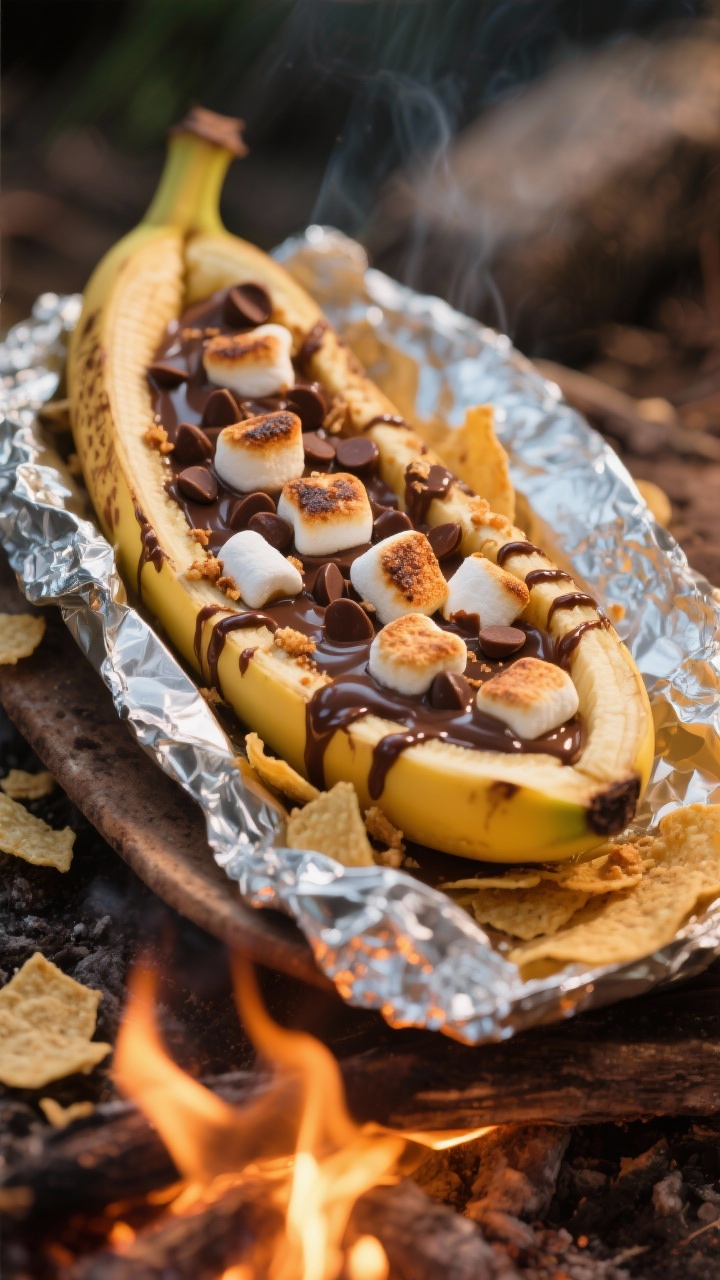
- Banana boat s’mores. Slice a banana lengthwise without cutting through the bottom peel. Stuff with chocolate chips and mini marshmallows.
Wrap in foil and warm near the coals for 5–8 minutes until gooey. Eat with a spoon.
- Breakfast wrap option. Scramble eggs in a skillet. Add cheese and precooked sausage.
Wrap in tortillas with a little salsa or avocado. Keep leftovers in a sealed container for lunch.
- Keep it flexible. Let kids pick fillings and toppings. Offer mild flavors and a few “safe” sides like fruit, cucumber sticks, or yogurt.
How to Store
- Keep perishables cold. Pack meats, dairy, and eggs in a well-iced cooler at or below 40°F (4°C).
Use block ice or frozen water bottles for longer cooling.
- Use airtight containers. Store prepped ingredients in leak-proof containers or sealed bags to prevent soggy coolers and cross-contamination.
- Separate raw and cooked foods. Keep raw proteins in their own bag or bin at the bottom of the cooler.
- Leftovers. Cool quickly and store back in the cooler. Eat within 24 hours. If temps are questionable, throw it out.
Benefits of This Recipe
- Kid-approved flavors. Cheesy, crunchy, and customizable so even picky eaters find something they like.
- Fast and low-mess. Most prep is done at home, and walking tacos and foil packs reduce dishes.
- Balanced options. You can include protein, carbs, and veggies without complicated cooking.
- Budget-friendly. Uses simple staples you may already have.
- Works with any heat source. Campfire, grill, or camp stove all get the job done.
Pitfalls to Watch Out For
- Overpacking ingredients. Too many options slow you down.
Stick to a short list of favorites.
- Not par-cooking potatoes. Raw potatoes take a long time in foil. Parboil at home for quicker cook times.
- Soggy tortillas. Keep tortillas sealed and away from cooler condensation. Warm them before filling.
- Too much heat. High flames burn quesadillas.
Use medium coals or a low flame and be patient.
- Food safety slips. Don’t leave dairy or meat out. Keep a thermometer handy if you’re unsure.
Alternatives
- Gluten-free: Use corn tortillas or gluten-free wraps. Choose certified gluten-free chips.
- Dairy-free: Swap in dairy-free cheese or skip cheese and add avocado or salsa for creaminess.
- Vegetarian: Use beans, tofu crumbles, or seasoned mushrooms as the protein.
- No-cook lunch: Hummus, veggie sticks, fruit, and cheese or dairy-free yogurt with granola.
- Sweet treat swap: Apple nachos (sliced apples topped with peanut butter and mini chocolate chips) instead of s’mores.
- Make-ahead burritos: Wrap cooked eggs, beans, cheese, and salsa in tortillas at home.
Freeze and reheat at camp.
FAQ
How can I keep food cold without a fancy cooler?
Use a decent cooler with block ice or frozen water bottles, which melt slower than ice cubes. Freeze meats, burritos, and bottles of water before packing. Keep the cooler in the shade, limit opening, and store dairy and meat at the bottom.
What can I make if there’s a fire ban?
Use a camp stove, portable grill, or stick to no-cook meals.
Quesadillas cook great on a skillet over a camp stove, and walking tacos only need warmed fillings. For dessert, try fresh fruit or apple nachos.
How do I handle picky eaters?
Offer a small selection of familiar options: cheese, mild salsa, plain rice, simple proteins, and a couple of veggies. Let kids choose their toppings and keep portions small.
Having fruit and yogurt as backup sides helps.
What’s the safest way to cook with kids around a campfire?
Set a clear boundary around the fire, use long-handled tools, and assign one adult as the cooking lead. Keep a water bucket or sand nearby. Let kids help with assembly and mixing away from the heat, not the actual fire.
How do I reheat leftovers at camp?
Warm food in a skillet or pot over low heat with a splash of water or broth to prevent sticking.
For foil packs, reheat wrapped over gentle coals until hot. Always reheat to steaming-hot and don’t reheat more than once.
Can I meal prep everything at home?
Yes. Cook proteins, parboil potatoes, shred cheese, and portion toppings in labeled bags.
Pack flat in the cooler to save space. At camp, you’ll mostly assemble and heat, which keeps things fast and easy.
What if it rains?
Plan for skillet meals on a camp stove under a canopy or picnic shelter. Quesadillas, scrambled eggs, and reheated foil packs are all weatherproof options.
Keep a bin of dry goods and matches in a waterproof container.
Final Thoughts
Camping food for kids doesn’t need to be complicated to be memorable. With a few flexible staples and smart prep at home, you can serve warm, tasty meals that keep everyone happy. Build-your-own quesadillas, walking tacos, and foil packs make mealtime fun and low-stress.
Add a banana boat s’more at the end, and you’ve got a camping menu that kids—and adults—will ask for again. Keep it simple, keep it safe, and enjoy the time around the fire together.