Walleye is a clean, mild fish that pairs beautifully with bright lemon and herbs. This baked version keeps things light while delivering satisfying flavor and flaky texture. You won’t need fancy techniques or special equipment—just a sheet pan and common pantry staples.
It cooks fast, cleans up easily, and works for weeknights or a relaxed weekend dinner. If you’re new to cooking fish, this is a great place to start. If you’re a seasoned home cook, you’ll love how reliably tasty it turns out.
Why This Recipe Works
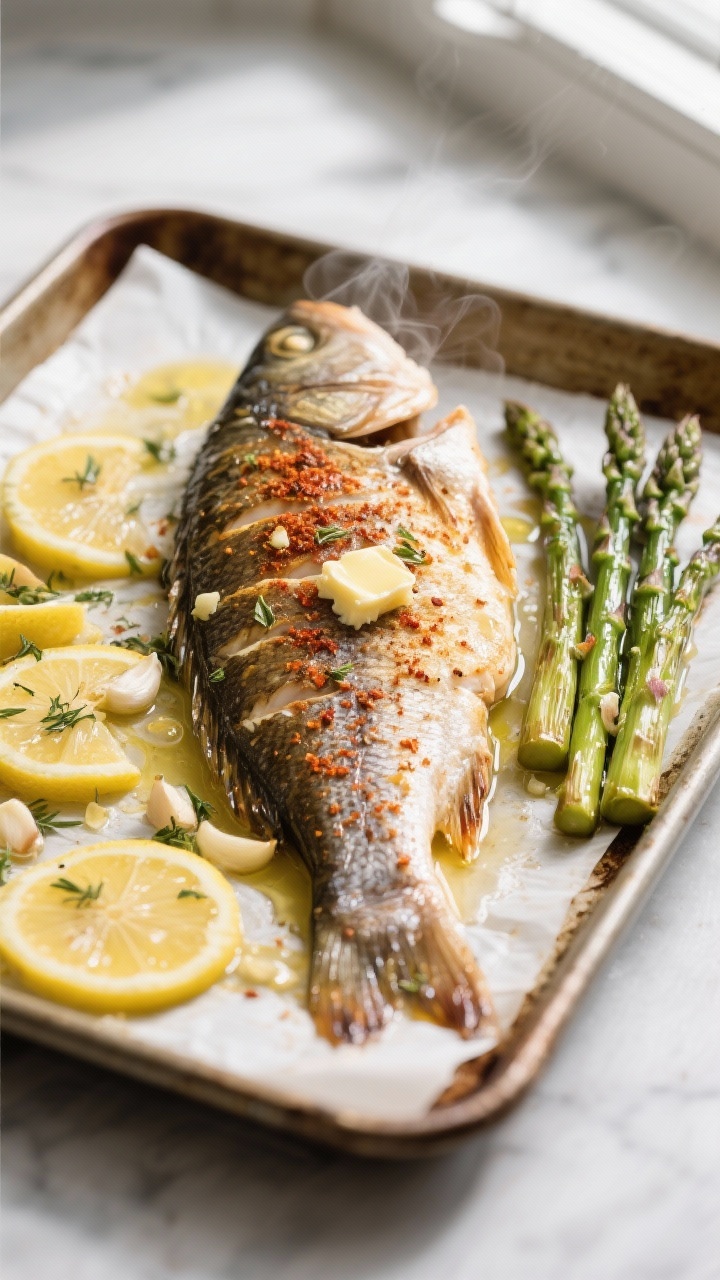
- Gentle heat keeps the fish tender. Baking at a moderate temperature helps walleye stay moist and flake easily.
- Simple seasoning highlights the fish. Lemon, garlic, and fresh herbs brighten the mild flavor instead of overpowering it.
- Minimal oil, maximum flavor. A little olive oil locks in moisture and helps the seasoning stick.
- Quick cook time. Thin fillets bake fast, so dinner is on the table in under 30 minutes.
- Versatile sides. The clean profile pairs with roasted veggies, rice, greens, or potatoes.
Shopping List
- 1.5–2 pounds walleye fillets, skin-on or skinless
- 1–2 tablespoons olive oil
- 1 lemon (zest and juice), plus extra wedges for serving
- 2–3 garlic cloves, finely minced
- 1 teaspoon kosher salt (to taste)
- 1/2 teaspoon freshly ground black pepper
- 1 teaspoon paprika (sweet or smoked)
- 1 teaspoon dried Italian seasoning or 1 tablespoon chopped fresh parsley/dill
- Optional: 1 tablespoon butter (small dots on top for extra richness)
- Optional garnish: fresh parsley or dill
Instructions
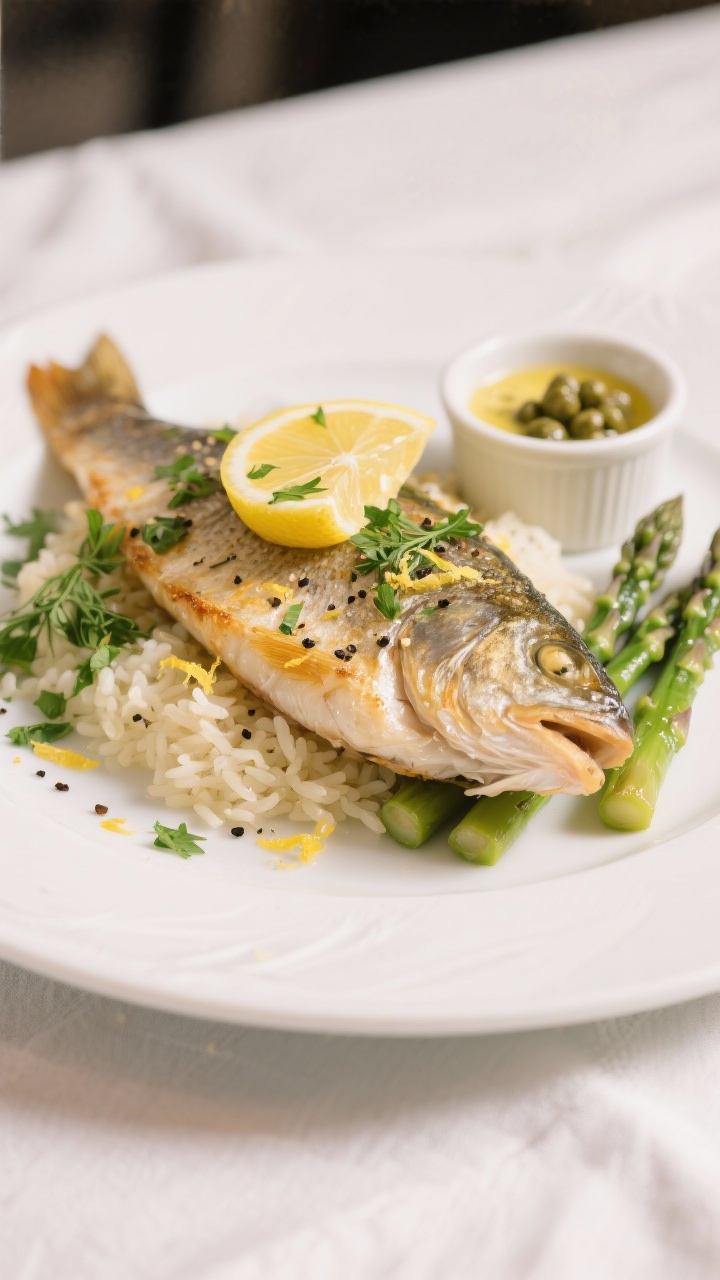
- Prep the oven and pan. Heat the oven to 400°F (200°C).
Line a sheet pan with parchment or lightly oil it to prevent sticking.
- Pat the fish dry. Use paper towels to remove surface moisture. Dry fish browns better and won’t steam in the oven.
- Make the seasoning mix. In a small bowl, combine olive oil, lemon zest, lemon juice, garlic, salt, pepper, paprika, and herbs.
- Season the fillets. Place walleye on the pan. Spoon or brush the mixture evenly over the top.
If using, dot small pieces of butter over the fillets.
- Bake until flaky. Bake 10–14 minutes, depending on thickness. The fish is done when it flakes easily with a fork and reaches an internal temperature of about 140–145°F (60–63°C).
- Rest briefly. Let the fillets sit for 2 minutes. This helps the juices settle.
- Finish and serve. Add a squeeze of fresh lemon and sprinkle of herbs.
Serve with roasted asparagus, a green salad, or simple rice.
Keeping It Fresh
- Storage: Refrigerate leftover baked walleye in an airtight container for up to 2 days.
- Reheating: Warm gently in a 275°F (135°C) oven for 8–10 minutes, or in a covered skillet over low heat with a splash of water or broth. Avoid microwaving on high—it can toughen the fish.
- Freezing: Cooked fish can be frozen up to 2 months, but texture is best fresh. If freezing, wrap tightly and thaw overnight in the fridge.
- Make-ahead: You can mix the seasoning in advance and store it in the fridge for a day.
Pat fish dry and season just before baking.
Why This is Good for You
- Lean protein: Walleye is low in fat and high in quality protein to support muscles and satiety.
- Omega-3 fats: It offers heart-friendly omega-3s, which support brain and cardiovascular health.
- Light on calories: Baking uses minimal oil, keeping calories in check without sacrificing flavor.
- Low sodium, high flavor: Fresh herbs, lemon, and garlic add brightness without heavy salt.
Pitfalls to Watch Out For
- Overcooking: Thin fillets can go from perfect to dry fast. Start checking at 9–10 minutes.
- Skipping the pat-dry step: Extra moisture prevents browning and dilutes the seasoning.
- Too much lemon juice upfront: Acid is great, but too much can “cook” the fish and make it mushy. Balance with zest for stronger lemon flavor.
- Uneven thickness: If some pieces are thinner, pull them out earlier or fold the thin ends under so they cook evenly.
- Under-seasoning: Walleye is mild.
Make sure to salt properly and use fresh lemon and herbs for pop.
Variations You Can Try
- Herb-crusted: Mix panko with chopped parsley, dill, lemon zest, and olive oil. Press lightly on top before baking.
- Smoky paprika and honey: Add 1 teaspoon honey and a pinch of cayenne to the seasoning for a sweet-heat glaze.
- Mediterranean: Scatter cherry tomatoes, olives, and sliced red onion around the fish. Add a drizzle of olive oil and oregano.
- Lemon-caper finish: Stir rinsed capers into melted butter and lemon juice.
Spoon over the baked fish right before serving.
- Garlic-parmesan: Add 2 tablespoons finely grated Parmesan and a little paprika to form a light, savory crust.
- Sheet-pan supper: Roast asparagus or thin green beans on the same pan. Start the veggies 8 minutes early, then add the fish.
FAQ
How do I know when walleye is done?
The flakes should separate easily with a fork, and the center should be opaque, not translucent. An instant-read thermometer should read around 140–145°F (60–63°C).
Can I use frozen walleye?
Yes.
Thaw it overnight in the refrigerator, then pat completely dry before seasoning. If you must thaw quickly, use a sealed bag in cold water, then dry well.
What if my fillets have skin?
You can bake them skin-on. Place them skin-side down on the pan.
After cooking, the flesh will lift right off the skin.
What sides go well with baked walleye?
Roasted asparagus, sautéed spinach, lemony rice, quinoa, baby potatoes, or a crisp salad all work well. Keep flavors fresh and simple.
Can I make this dairy-free?
Absolutely. Use only olive oil and skip the butter.
The result will still be moist and flavorful.
Is walleye similar to cod?
They’re both mild and flaky, but walleye is often a bit sweeter and more delicate. You can use the same cooking method and timing.
In Conclusion
Baked walleye is one of those meals that’s easy to pull off yet feels special. With a handful of pantry ingredients and a hot oven, you’ll get tender, lemony fillets in minutes.
Keep an eye on doneness, finish with fresh herbs, and serve with vibrant sides. It’s simple, healthy, and reliably delicious—exactly what a weeknight dinner should be.