If you’re looking for a weeknight dinner that feels special without any fuss, this baked halibut is it. The fish comes out juicy and flaky, with a light lemon-garlic butter that tastes fresh and bright. You only need a few ingredients and about 20 minutes from start to finish.
It’s easy enough for beginners and delicious enough for guests. Serve it with roasted veggies, rice, or a crisp salad, and you’ve got a balanced, satisfying meal.
What Makes This Recipe So Good
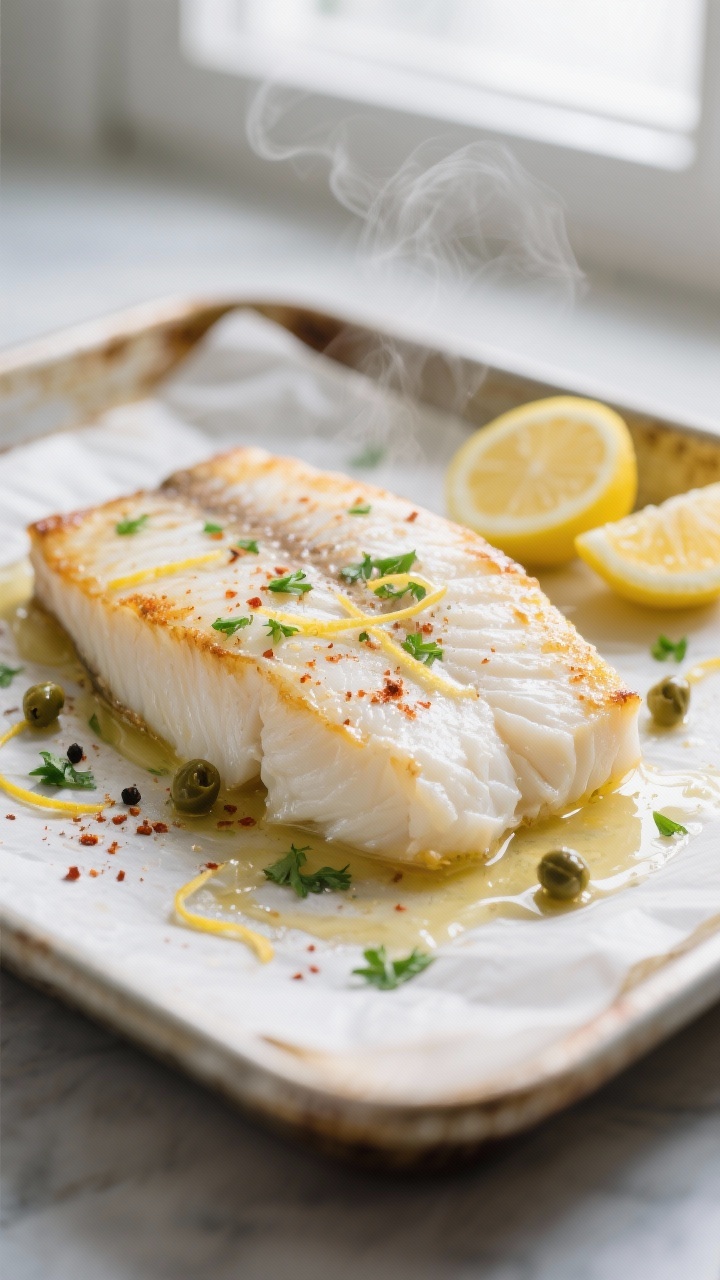
- Quick and reliable: Halibut cooks fast and stays tender with this simple method. No marinating required.
- Clean, fresh flavors: Lemon, garlic, and herbs lift the mild taste of the fish without overpowering it.
- Healthy by default: Halibut is high in lean protein and low in fat.
A light brush of olive oil or butter adds richness without heaviness.
- Foolproof technique: Baking at a moderate temperature prevents dry, chalky fish. A brief broil at the end adds color.
- Versatile: Change the herbs, add a spice rub, or use a dairy-free swap. It’s easy to adapt to your pantry and preferences.
Ingredients
- 4 halibut fillets (about 6 ounces each, 1 to 1.5 inches thick), skin removed if preferred
- 1.5 tablespoons olive oil or melted unsalted butter
- 1 lemon (zest and juice)
- 2 garlic cloves, finely minced
- 1 teaspoon Dijon mustard (optional for a subtle tang)
- 1 teaspoon kosher salt (or to taste)
- 1/2 teaspoon freshly ground black pepper
- 1/2 teaspoon paprika or smoked paprika
- 1 tablespoon chopped fresh parsley or dill (plus more for garnish)
- Lemon wedges, for serving
- Optional: 1 tablespoon capers, rinsed and drained
How to Make It
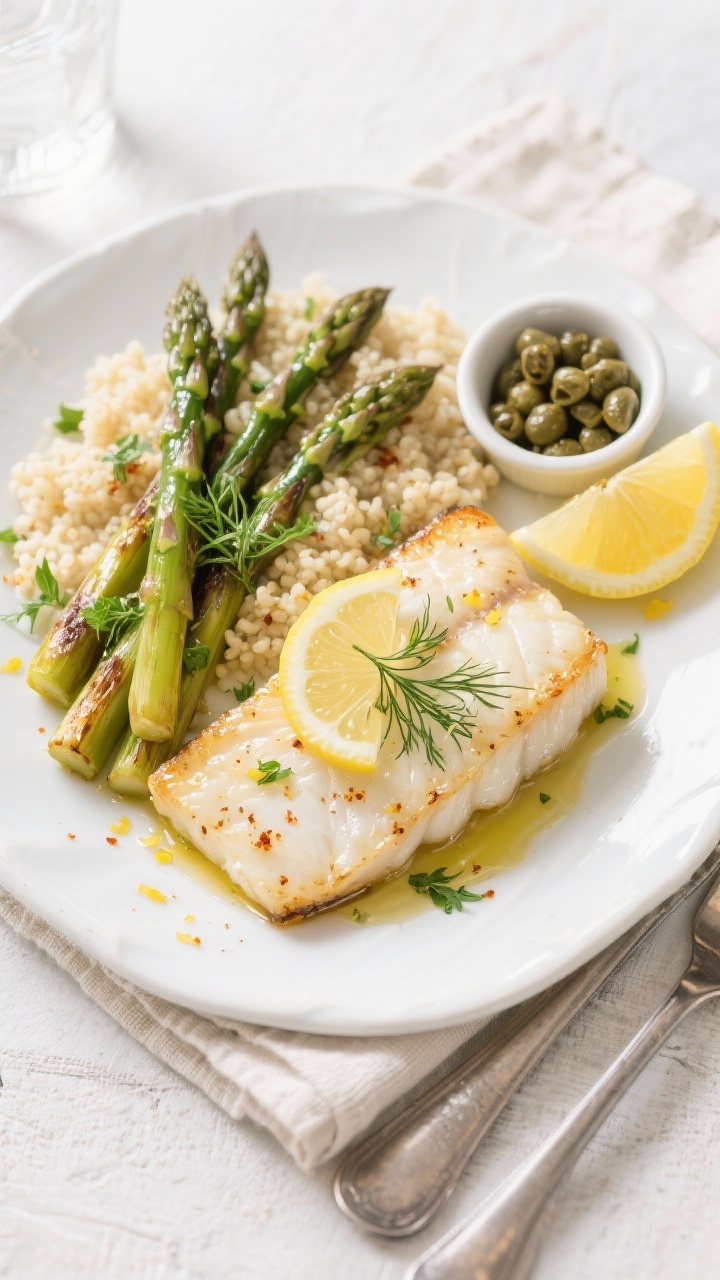
- Preheat and prep: Heat the oven to 400°F (200°C).
Line a sheet pan with parchment paper or lightly grease a baking dish. Pat the halibut dry with paper towels to remove excess moisture.
- Make the mixture: In a small bowl, combine olive oil or melted butter, lemon zest, 1 tablespoon lemon juice, minced garlic, Dijon (if using), salt, pepper, and paprika. Stir in the chopped herbs.
- Season the fish: Place the fillets on the pan.
Brush or spoon the mixture evenly over the tops and sides. If the fillets are uneven, tuck any thin ends under so they cook evenly.
- Bake: Cook for 8–12 minutes, depending on thickness. Halibut is done when it flakes easily with a fork and looks opaque in the center.
For most 1-inch fillets, 10 minutes is a good target.
- Optional broil: For a touch of color, switch the oven to broil for 1–2 minutes. Keep a close eye on it so it doesn’t overcook.
- Finish and serve: Sprinkle with more herbs and spoon over any pan juices. Add capers if you like a briny pop.
Serve with lemon wedges.
How to Store
- Refrigerate: Store leftovers in an airtight container for up to 2 days. Cool the fish slightly before sealing, but don’t leave it out for more than 2 hours.
- Reheat gently: Warm in a 275°F (135°C) oven for 8–10 minutes, or microwave at 50% power in short bursts. Add a splash of water or lemon juice and cover to keep it moist.
- Avoid freezing cooked halibut: The texture can get dry or mealy after thawing.
If you must freeze, wrap tightly and use within 1 month.
Benefits of This Recipe
- High-protein, low-carb: Great for balanced meals, low-carb eating, or simply a lighter dinner.
- Heart-friendly fats: Olive oil and fish provide unsaturated fats that support heart health.
- Minimal cleanup: One pan, quick prep, and no splattering like pan-frying.
- Consistent results: Baking at 400°F gives enough heat to cook quickly without drying.
- Family-friendly flavors: Mild fish with lemon and herbs appeals to most palates.
Common Mistakes to Avoid
- Overcooking: Halibut dries out fast. Start checking at 8 minutes and remove as soon as it flakes.
- Skipping the pat-dry step: Excess surface moisture steams the fish and dilutes flavor. Dry fillets brown and season better.
- Using too much acid: Lemon is great, but too much acid can start “curing” the fish and make it firm.
Stick to the amounts listed.
- Uneven thickness: Thin ends can overcook. Tuck them under or cut the fillet into portions with similar thickness.
- Cold pan and cold fish: Let the oven fully preheat, and if the fish is very cold, give it 10 minutes at room temp for more even cooking.
Alternatives
- Different herbs: Swap parsley for dill, chives, tarragon, or a mix. Dried herbs work in a pinch—use half the amount.
- Spice variations: Try lemon pepper, Old Bay, Cajun seasoning, or za’atar.
Adjust salt if your blend is salty.
- Dairy-free: Use olive oil instead of butter. For richness, add a drizzle of extra-virgin olive oil right before serving.
- Citrus twists: Use lime or orange zest for a new angle. Orange pairs well with smoked paprika.
- Other fish: Cod, haddock, or grouper bake well with the same method.
Adjust cooking time for thinner fillets (usually 7–10 minutes).
- Tray bake meal: Add asparagus, cherry tomatoes, or sliced zucchini to the pan. Toss veggies with oil, salt, and pepper, start them 10 minutes early, then add the fish.
FAQ
How do I know when halibut is done?
The fish should look opaque and flake easily with a fork. A thermometer inserted into the thickest part should read 130–135°F for moist, tender results.
It will rise a few degrees as it rests.
Can I use frozen halibut?
Yes, but thaw it first for even cooking. Thaw overnight in the fridge or use the cold-water method, then pat dry well before seasoning.
Should I remove the skin?
Halibut skin can be tough. If your fillets have skin, it’s fine to bake them skin-side down and remove it after cooking, or ask your fishmonger to remove it ahead of time.
What sides go best with baked halibut?
Light sides work well: roasted asparagus, green beans, or broccoli; lemon rice or herbed couscous; or a simple arugula salad with olive oil and vinegar.
Can I make this ahead?
You can mix the lemon-garlic mixture a day ahead and store it covered in the fridge.
Season and bake the fish right before serving for the best texture.
How do I keep halibut from drying out?
Don’t overcook, use a bit of fat (oil or butter), and avoid too high a temperature for too long. Covering loosely with foil during reheating also helps retain moisture.
Is halibut sustainable?
Check local guidance or resources like seafood watch lists. Look for halibut labeled as sustainably sourced, and consider regional alternatives with good ratings.
Wrapping Up
This baked halibut recipe is simple, fresh, and reliable, the kind of meal you can make on a busy night and still feel good about.
With a few pantry staples and a bright hit of lemon, the fish stays tender and flavorful every time. Keep an eye on the cook time, finish with fresh herbs, and pair it with your favorite sides. It’s a fast, healthy dinner that never feels boring.