You know that luxurious, silky spread you order at nice restaurants, then whisper to the server, “I could live on this”? You can make it at home in under an hour. No terrine mold required, no culinary degree either. Just some chicken livers, butter (lots), and a blender. Let’s get you a jar of pure, spreadable joy.
Why Chicken Liver Pâté Just Works
Chicken liver pâté balances rich, buttery depth with a fresh, bright finish. It hits every craveable note: savory, silky, and just a little fancy. It costs pennies compared to the restaurant stuff and tastes better because you control the seasoning. Also, IMO, it makes you feel like the person who remembers people’s birthdays and has matching wine glasses.
The Flavor Blueprint
Great pâté follows a simple blueprint. You don’t need to reinvent anything here—just nail the basics and you’ll crush it every time.
- Fat: Butter makes it lush. A splash of cream or crème fraîche adds extra silkiness.
- Aromatics: Shallots and garlic bring sweetness and warmth.
- Acid: Cognac, brandy, or fortified wine (like Madeira) brightens the richness.
- Herbs and spices: Thyme, bay leaf, black pepper, and a whisper of allspice or nutmeg.
- Salt: Don’t be shy. Rich foods need proper seasoning to sing.
Choosing and Prepping the Livers
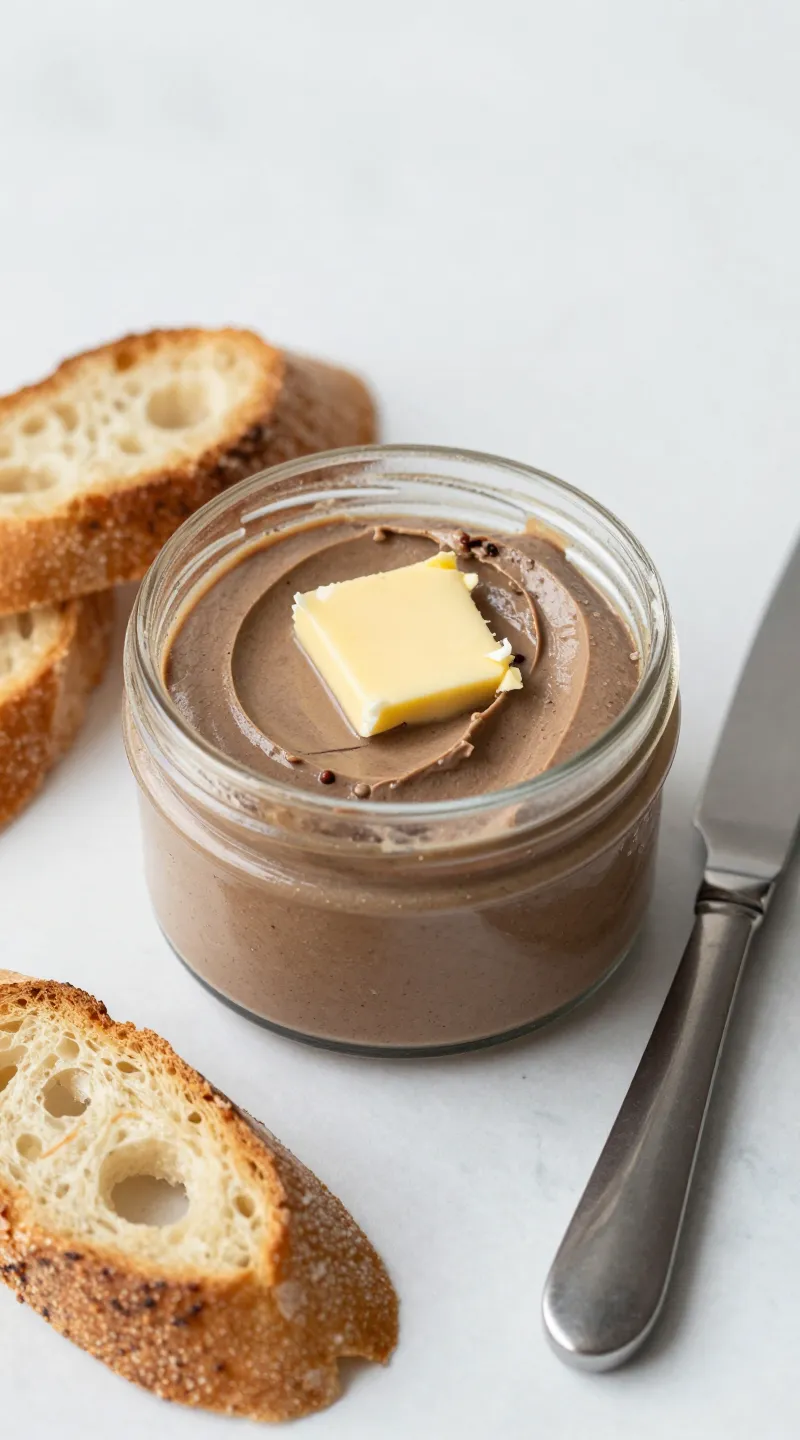
Good pâté starts with good livers. They should look glossy, deep reddish-brown, and smell clean—no funk.
- Fresh vs. frozen: Both work. If frozen, thaw in the fridge overnight and pat dry.
- Trim: Remove any greenish spots (bile), visible veins, and connective tissue for better texture.
- Soak (optional): A quick 15–30 minute soak in milk can mellow flavor. Not mandatory, but helpful if liver makes you nervous.
Do You Need to Rinse?
Quick rinse, then pat dry. Wet livers won’t sear; they’ll steam. You want a little browning for flavor, so start with dry.
How to Cook It (Without Stress)
The technique is fast and forgiving. The main rule: don’t overcook the livers. Slightly pink inside = tender, not chalky.
- Sweat aromatics: In a skillet, melt a generous knob of butter. Soften shallots with a pinch of salt. Add garlic briefly.
- Cook livers: Add livers in a single layer. Sear 2–3 minutes per side. You want them just cooked with a blush in the center.
- Deglaze: Splash in Cognac or brandy. It’ll hiss. Scrape up browned bits. Reduce by half.
- Blend: Transfer to a blender. Add more soft butter, a splash of cream, black pepper, and a tiny pinch of allspice or nutmeg.
- Taste and adjust: Salt generously. Add more acid (a teaspoon of lemon juice) if it feels heavy.
- Strain (optional but pro): Push through a fine mesh sieve for a mind-blowingly smooth finish.
- Chill: Pour into ramekins or a jar. Cover and refrigerate until set—about 2–4 hours.
Quick Ingredient Ratios (IMO the sweet spot)
For about 6 servings:
- 1 pound chicken livers
- 8–10 tablespoons unsalted butter (reserve some for sealing on top)
- 1 small shallot, minced
- 1 small garlic clove, minced
- 1/4 cup Cognac, brandy, or Madeira
- 2–3 tablespoons heavy cream or crème fraîche
- 1 teaspoon kosher salt to start (you’ll add more to taste)
- Black pepper, pinch of allspice or nutmeg, fresh thyme
Dialing In Texture and Flavor
Your pâté should spread like room-temp butter. Too thick? Add cream or butter. Too loose? Chill longer; butter firms as it cools.
- For richer flavor: Add more butter (shocker), or use duck fat for a luxe vibe.
- For brightness: Finish with lemon juice or a few drops of sherry vinegar.
- For earthiness: A teaspoon of truffle paste or a drizzle of mushroom reduction = chef’s kiss.
Common Pitfalls (and easy fixes)
- Grainy texture: Overcooked livers or not enough fat. Next time, cook less and blend with more butter.
- Bitter vibes: Burnt garlic or scorched pan. Keep the heat moderate and add garlic late.
- Flat taste: Needs salt and acid. Taste cold and warm—adjust both.
How to Serve Without Trying Too Hard
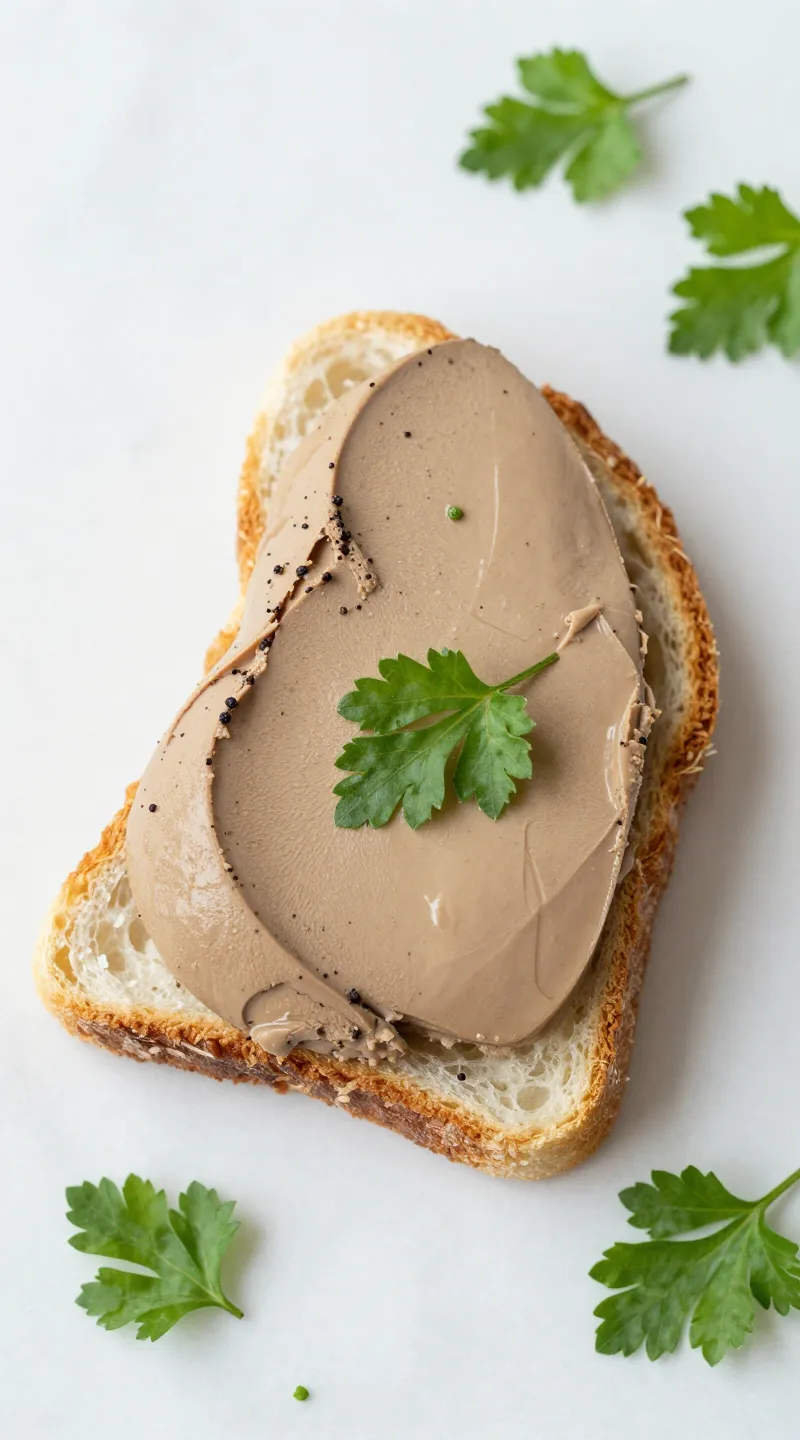
You don’t need a party to break out pâté. You need toast and five minutes.
- Bread: Warm baguette, sourdough toast, or brioche. Crisp edges + soft crumb = perfect contrast.
- Crunch: Cornichons, pickled onions, or radishes.
- Sweet: Fig jam, apple butter, or a drizzle of honey.
- Extra: Flaky salt and cracked pepper on top just before serving.
Wine Pairings That Won’t Miss
- White: Chardonnay with a little oak or a rich Chenin Blanc
- Red: Light-bodied Pinot Noir or Gamay
- Fortified: Madeira or tawny Port for dessert-adjacent heaven
Make-Ahead, Storage, and Safety
Pâté loves a chill. It sets better and tastes even more balanced the next day.
- Storage: Keep in an airtight container for up to 5 days.
- Seal with butter: Pour a thin layer of melted butter on top to prevent oxidation.
- Freezing: Freeze up to 2 months. Thaw overnight in the fridge and whisk briefly to revive the texture.
- Food safety FYI: Livers should reach 160°F in the thickest part. Slight pink is okay when temp is right—use a quick-read thermometer if unsure.
Variations to Keep Things Interesting
Once you master the base, you can spin it any direction. The method stays the same.
- Herb-forward: Blend in tarragon and chives for a brighter, springy take.
- Smoky: Add smoked paprika and a hint of bourbon.
- French-bistro: Finish with green peppercorns and a dab of Dijon.
- Umami bomb: Mix in miso and a dash of soy; top with sesame seeds.
- Holiday style: Stir in dried cherries soaked in Port and toasted almonds.
FAQs
Can I use something other than Cognac?
Absolutely. Brandy, Madeira, Marsala, dry sherry, or even a splash of white wine work. You just want heat-friendly acidity and a little sweetness. If you avoid alcohol entirely, use chicken stock and finish with a teaspoon of sherry vinegar or lemon juice.
Do I really need to strain the pâté?
You don’t need to, but straining turns good pâté into “wow, who catered this?” pâté. It removes tiny fibrous bits and gives that glassy, spoonable texture. If you skip it, blend longer and be generous with butter.
How do I fix pâté that’s too livery or intense?
Add fat and acid. Blend in more butter or cream, plus a squeeze of lemon. Next time, try a brief milk soak and make sure you don’t overcook—overcooking intensifies metallic notes.
What should I serve with it if I don’t eat bread?
Cucumber rounds, endive leaves, lightly grilled zucchini planks, or seed crackers all handle pâté like champs. A little crunch and freshness balance the richness, so add pickles or quick-pickled shallots too.
Is chicken liver pâté healthy?
It’s nutrient-dense—liver packs iron, B vitamins, and vitamin A. It also contains plenty of butter, which is why it tastes like a dream. So, enjoy in reasonable portions. Balance, not spreadsheets, IMO.
Can I make it dairy-free?
Yes. Use duck fat or good olive oil instead of butter, and skip the cream. The texture turns slightly looser, but still silky. Add extra aromatics to keep the flavor round.
Conclusion
Chicken liver pâté feels fancy but cooks fast, uses everyday ingredients, and rewards you with serious flavor. Master the basic method—gentle cooking, plenty of fat, and a bright finish—and you can riff forever. Spread it thick, pour something nice, and pretend your coffee table is a Parisian bistro. Frankly, it’s not far off.