Camping food doesn’t have to mean mystery meat and a bag of chips. With a little planning, you can eat fresh, wholesome meals that fuel long hikes and cozy nights by the fire. These ideas are simple, packable, and easy to cook with minimal gear.
Think hearty breakfasts, satisfying no-cook lunches, and flavorful dinners that come together fast. You’ll get plenty of protein, fiber, and good fats—without carrying a full kitchen on your back.
Why This Recipe Works
These camping meals are built around foods that travel well and cook quickly—oats, beans, pre-cooked grains, hardy veggies, and shelf-stable proteins. Prep can be done at home, so you spend more time relaxing and less time chopping.
The flavors are flexible, and most dishes work on a camp stove, grill, or over the fire. Portions are easy to scale for solo trips or groups, and cleanup is minimal.
What You’ll Need
- Proteins: Canned tuna or salmon, canned beans (black, chickpeas), vacuum-sealed tofu, eggs, pre-cooked chicken sausage, nut butter.
- Grains & Carbs: Instant oats, quick-cook rice or quinoa packets, whole-wheat tortillas, granola, whole-grain crackers, potatoes or sweet potatoes.
- Fruits & Veggies: Apples, oranges, berries (firm ones like blueberries), cherry tomatoes, bell peppers, cucumbers, carrots, snap peas, avocado (firm), spinach or kale (pre-washed), onions, garlic.
- Healthy Fats: Olive oil, avocado, nuts and seeds (almonds, walnuts, pumpkin seeds), coconut flakes.
- Dairy & Alternatives: Shelf-stable milk or oat milk, hard cheese (cheddar, parmesan), Greek yogurt cups (for cooler trips).
- Flavor Boosters: Salt, pepper, chili flakes, cumin, smoked paprika, cinnamon, soy sauce or tamari, hot sauce, honey or maple syrup, lemon or lime, pesto packets, salsa.
- Gear: Camp stove or grill, lighter/matches, one pot and/or skillet, cutting board, knife, spork, heat-safe tongs, foil, reusable containers or bags, cooler with ice (if using perishables), biodegradable soap, sponge.
Instructions
- Prep at home: Pre-chop hearty veggies (peppers, onions, carrots) and portion into containers. Cook a batch of quinoa or rice and chill.
Mix spice blends in small jars. Pre-cook chicken sausage if you prefer quick reheat meals.
- Breakfast – Power Oat Packets: In zip bags, combine 1/2 cup instant oats, 1 tbsp chia seeds, 1 tbsp nuts, 1 tbsp dried fruit, and a pinch of cinnamon. On-site, add hot water or warm milk, wait 2–3 minutes, and top with fresh fruit.
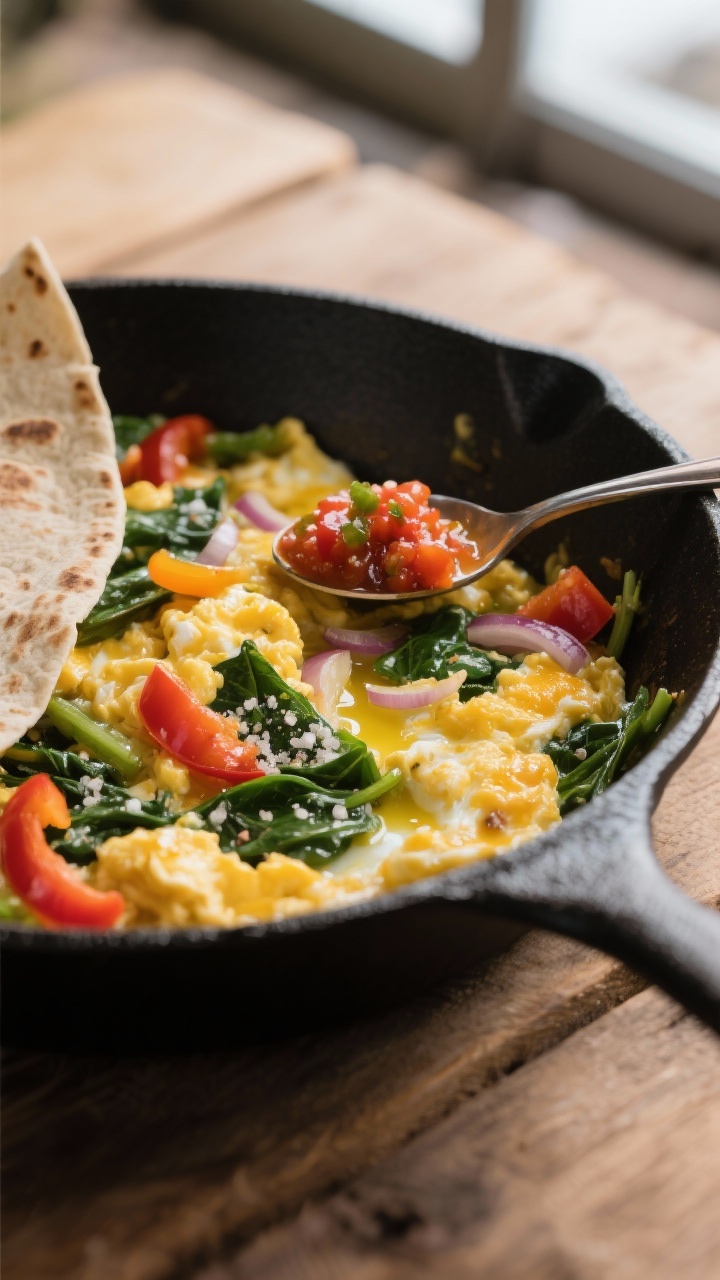
- Breakfast – Camp Skillet Scramble: Heat 1 tsp olive oil.
Sauté chopped onion and peppers until soft. Add beaten eggs or crumbled tofu, spinach, salt, and pepper. Cook until set.
Serve in tortillas with salsa.
- No-Cook Lunch – Tuna Avocado Wraps: Mash canned tuna with a squeeze of lemon, a drizzle of olive oil, salt, and pepper. Spread on whole-wheat tortillas with sliced avocado, cherry tomatoes, and spinach. Roll and eat.
- No-Cook Lunch – Bean and Veggie Salad: Rinse canned chickpeas.
Toss with chopped cucumber, tomatoes, olive oil, lemon, salt, pepper, and a pinch of cumin. Add feta or pumpkin seeds for extra protein.
- Snack Boxes: Pack small containers with nuts, seeds, whole-grain crackers, apple slices, carrot sticks, and nut butter. Keep these accessible for hikes and energy dips.
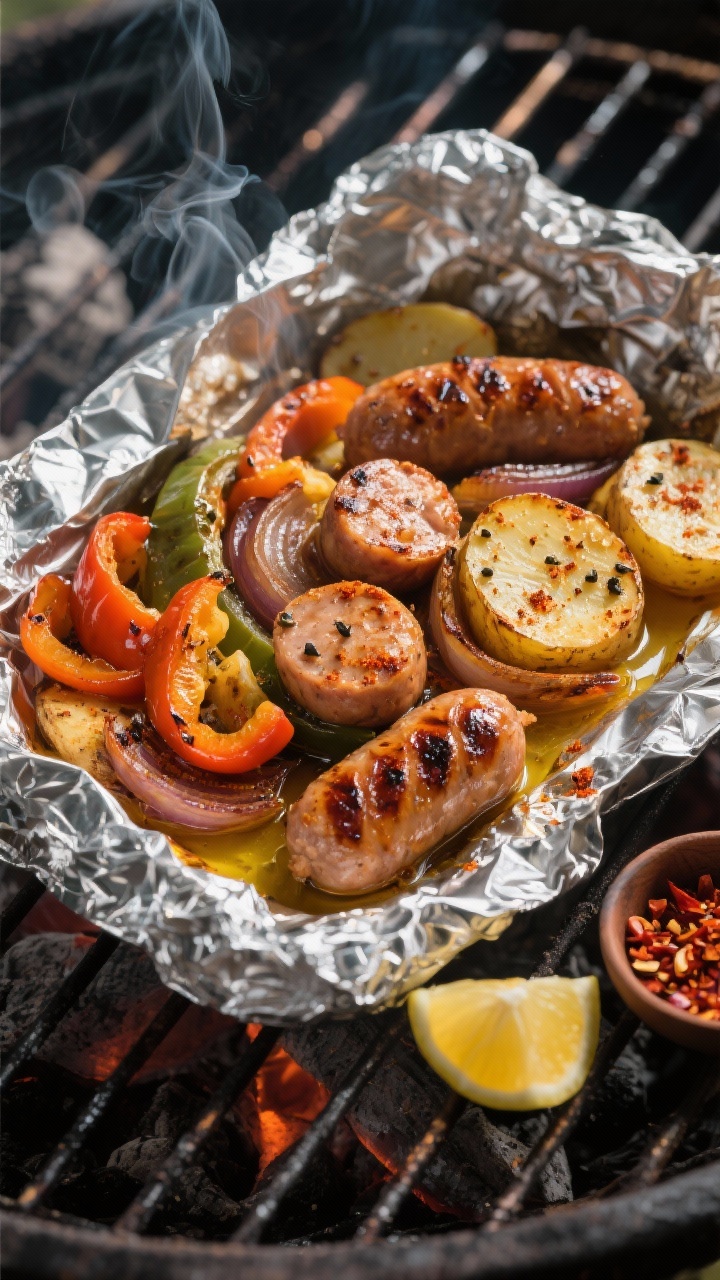
- Dinner – Foil Packet Veggies and Sausage: On foil, layer sliced potatoes, peppers, onions, and chicken sausage.
Drizzle with olive oil, sprinkle salt, pepper, and smoked paprika. Seal and cook over coals or grill 20–25 minutes, flipping once.
- Dinner – One-Pot Chili: In a pot, sauté onion and garlic in oil. Add canned beans, a can of diced tomatoes, chili powder, cumin, and salt.
Simmer 10–15 minutes. Stir in pre-cooked quinoa for extra body.
- Dinner – Pesto Veggie Pasta: Boil whole-grain pasta. Drain, reserving a little water.
Stir in pesto packets, cherry tomatoes, and spinach until wilted. Add canned salmon for protein if you like.
- Sweet Treat – Campfire Apple Boats: Core apples halfway, stuff with oats, cinnamon, and a drizzle of honey. Wrap in foil and cook over coals 10–15 minutes until tender.
- Hydration Plan: Keep a water bottle filled.
Add electrolyte tablets or a pinch of salt and a squeeze of citrus on hot days. Warm herbal tea at night helps you rehydrate in cooler temps.
How to Store
- Cooler Management: Use block ice or frozen water bottles. Keep raw items in a separate, sealed bag.
Open the cooler only when needed.
- Dry Goods: Store oats, grains, spices, and nuts in airtight bags. Label portions so you only take out what you need.
- Produce: Keep hardy produce (apples, carrots, onions) at ambient temps. Store softer items (berries, greens) in the cooler and eat them first.
- Leftovers: Cool quickly and store in sealed containers in the cooler.
Eat within 24 hours. If it smells off or got warm, discard.
Why This is Good for You
- Balanced macros: These meals combine protein, fiber-rich carbs, and healthy fats to keep energy steady and prevent mid-day crashes.
- Micronutrients: Fresh fruits and veggies bring vitamins, minerals, and antioxidants that support recovery after activity.
- Hydration and electrolytes: Salty foods, citrus, and water-rich produce help maintain fluid balance on hot or high-altitude trips.
- Gut-friendly: Beans, oats, and veggies add fiber for digestion, especially helpful when routines change outdoors.
Pitfalls to Watch Out For
- Overpacking perishables: Too many items needing refrigeration can spoil. Choose shelf-stable options and eat perishable foods first.
- Complex menus: Multi-step dishes can be frustrating at a campsite.
Keep it simple with one-pot or foil meals.
- Not enough protein: Long hikes demand more. Pack extra tuna, nuts, or jerky to meet needs.
- Forgetting spices: Plain food gets old fast. Small spice kits weigh almost nothing and make a big difference.
- Poor waste handling: Food scraps attract wildlife.
Pack out all trash and follow local bear-safe practices.
Recipe Variations
- Vegetarian: Swap sausage for tofu or tempeh. Add extra beans to chili and top with avocado.
- Gluten-free: Use corn tortillas, gluten-free pasta, and certified GF oats.
- Dairy-free: Skip cheese and use olive oil or dairy-free pesto; choose plant yogurt if using a cooler.
- High-protein: Add canned chicken or salmon to pasta and salads; stir protein powder into oatmeal.
- Spice lovers: Bring chili crisp, chipotle powder, or sriracha packets for heat without extra prep.
- Ultra-light backpacking: Use dehydrated veggies, instant rice, and foil tuna packets to reduce weight and bulk.
FAQ
How do I keep food safe without a fridge?
Use a high-quality cooler, keep it shaded, and open it as little as possible. Prioritize shelf-stable foods like canned proteins, nuts, and grains.
Eat highly perishable items early in the trip.
What’s the best quick breakfast for early hikes?
Pre-made oatmeal packets are hard to beat. Just add hot water, stir, and top with nuts and fruit. Greek yogurt with granola also works if you have a cooler.
Can I cook these meals over a campfire?
Yes.
Foil packets and one-pot meals work great over coals. Use a grate for stability and heat control, and keep a safe distance from open flames.
How much food should I pack per person?
Plan roughly 2,000–2,500 calories per active adult per day, more if you’re doing strenuous hikes. Include extra snacks for unexpected delays or big mileage days.
What about coffee?
Bring instant packets, a pour-over cone, or an AeroPress.
Heat water on the stove or fire and keep a small tin of ground coffee sealed to stay fresh.
Any tips for easy cleanup?
Cook one-pot meals, use foil for messy foods, and wipe pans with a paper towel before washing. Use biodegradable soap and strain food particles before disposing of gray water as per local rules.
How can I add more veggies without extra work?
Bring pre-washed greens, baby carrots, and cherry tomatoes. Toss them into wraps, pasta, and scrambles.
Dehydrated veggie mixes are also lightweight and quick to rehydrate.
What if there are fire restrictions?
Rely on a camp stove and no-cook meals like wraps, salads, and overnight oats. Always check local regulations before you go.
Wrapping Up
Healthy camping food doesn’t need to be complicated. With a small kit, smart staples, and a few flavor boosters, you can make meals that taste great and keep you energized.
Prep what you can at home, keep it simple on-site, and enjoy more time outside. These ideas are flexible, packable, and friendly for any campsite setup.