If you love clean, flaky fish with a smoky backbone, smoked walleye is a standout. It turns a mild freshwater favorite into something bold and memorable, without overwhelming the natural taste. The process is simple, relaxing, and doesn’t require fancy gear—just a few basics and patience.
Whether you’re new to smoking fish or you’ve done it for years, this approach gives you reliable, delicious results. Serve it warm with lemon and herbs, or chill it for dips, salads, and sandwiches.
What Makes This Recipe So Good
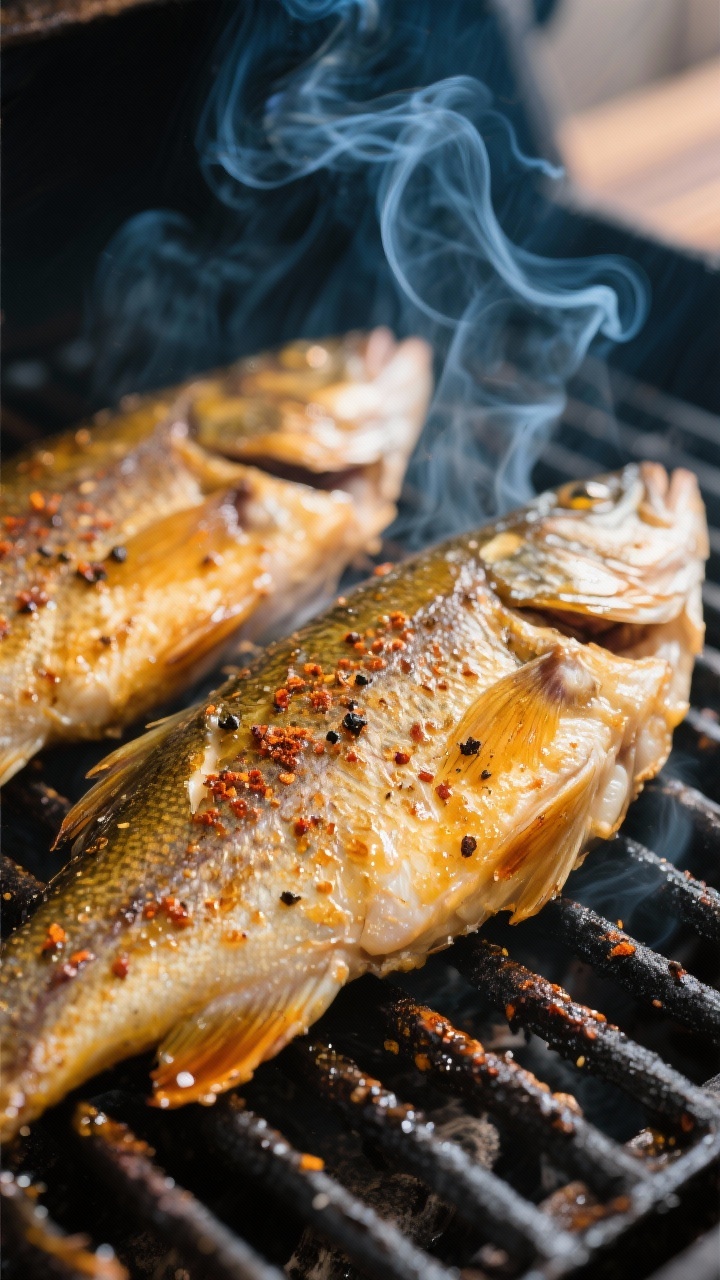
- Mild fish, big flavor: Walleye has a delicate taste that pairs well with smoke without turning bitter or heavy.
- Balanced brine: A light, slightly sweet brine seasons the fish and keeps it juicy, even after hours in the smoker.
- Approachable method: No special tools needed beyond a smoker or grill that can hold a low temperature.
- Versatile results: Eat it warm right off the smoker or use leftovers in chowders, tacos, or spreads.
- Clean ingredients: Just fish, salt, sugar, and a few aromatics. The smoke does most of the work.
Shopping List
- Walleye fillets (skin-on if possible, 2–3 pounds total)
- Kosher salt (not table salt)
- Brown sugar
- Black pepper (freshly cracked)
- Garlic powder
- Onion powder
- Lemon (zest and wedges for serving)
- Fresh dill or parsley (optional, for garnish)
- Wood for smoking (alder, apple, or cherry recommended)
- Neutral oil or nonstick spray (for grates)
- Optional: paprika, crushed red pepper, or a light drizzle of maple syrup for finishing
Step-by-Step Instructions
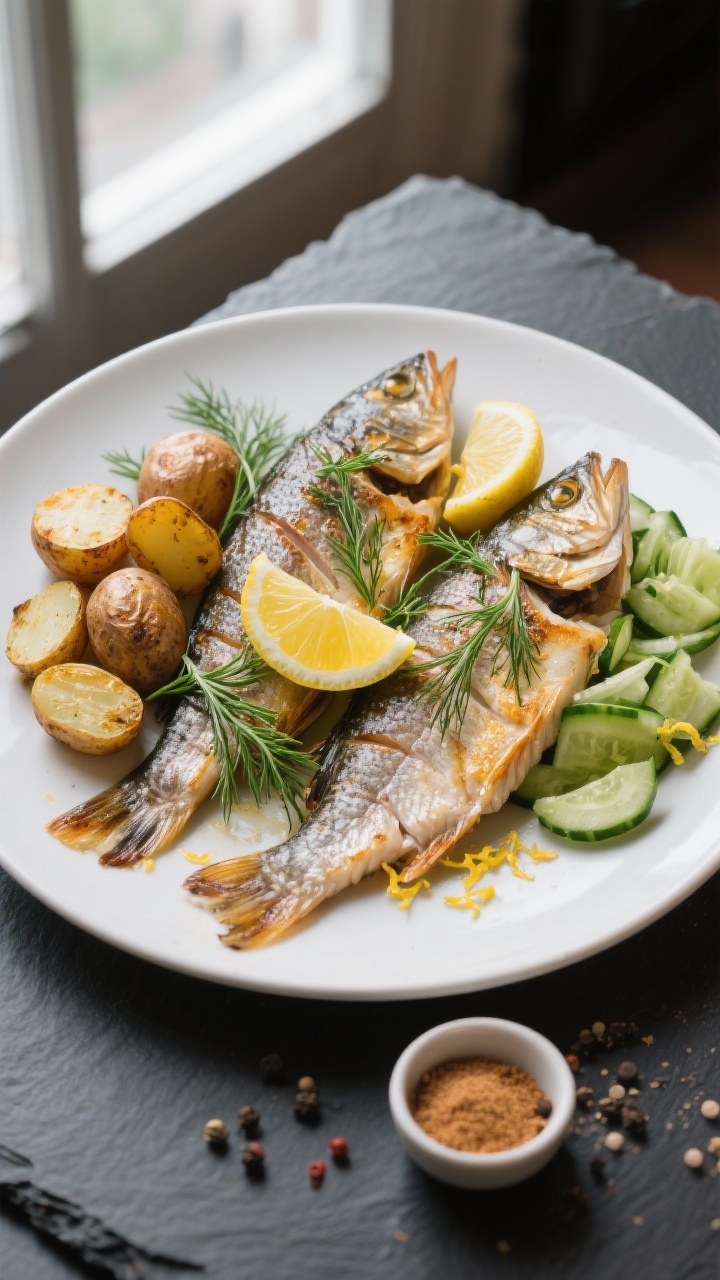
- Prep the fish: Check your walleye fillets for pin bones and remove any you find with tweezers.
Pat the fillets dry with paper towels. If the skin is on, leave it—that helps the fish hold together during smoking.
- Make the brine: In a large bowl, combine 1/4 cup kosher salt and 1/4 cup brown sugar with 4 cups cold water. Stir until dissolved.
Add 1 teaspoon black pepper, 1 teaspoon garlic powder, and 1 teaspoon onion powder. Zest half a lemon into the brine.
- Brine the fish: Submerge the fillets in the brine. Cover and refrigerate for 60–90 minutes.
Thin fillets need less time; thicker ones can go to the full 90 minutes.
- Rinse and dry: Remove fish from the brine and rinse briefly under cold water to remove excess salt. Pat very dry with paper towels. This step prevents overly salty fish and helps smoke adhere better.
- Form a pellicle: Place the fillets on a wire rack set over a baking sheet.
Refrigerate uncovered for 1–2 hours, or set in a cool, breezy spot for 45–60 minutes. You’re looking for a slightly tacky surface—that thin, dry layer is the pellicle, and it helps lock in moisture and attract smoke.
- Preheat the smoker: Heat your smoker to 175–200°F. Aim for steady, low heat.
Add alder, apple, or cherry wood for a clean, mild smoke. Avoid heavy mesquite—it can overpower walleye.
- Oil the grates: Lightly oil your smoker grates or use nonstick spray. This reduces sticking when you remove the fish.
- Season lightly: Sprinkle the fillets with a pinch of black pepper.
If you like a touch of color, add a light dusting of paprika. Keep it simple so the smoke and fish shine.
- Smoke the walleye: Place the fillets skin-side down. Smoke until the internal temperature reaches 140–145°F and the flesh is opaque and flakes easily.
This usually takes 1.5–2.5 hours depending on thickness and smoker temperature.
- Optional glaze: For a subtle sheen and hint of sweetness, brush a teaspoon of warm maple syrup over each fillet during the last 15 minutes. Don’t overdo it—just a whisper.
- Rest briefly: Let the fish rest off the heat for 5–10 minutes. Garnish with fresh dill or parsley and a squeeze of lemon.
- Serve: Enjoy warm with roasted potatoes and a crisp salad, or chill and flake into a smoked fish dip, grain bowl, or tacos with slaw.
How to Store
- Refrigerator: Cool completely, then store in an airtight container up to 4 days.
Keep the skin on if possible to protect the flesh.
- Freezer: Wrap portions tightly in plastic and then in foil, or vacuum seal. Freeze up to 2 months. Thaw overnight in the fridge.
- Reheating: Warm gently at 275°F until just heated through, or enjoy cold.
Overheating can dry it out.
Benefits of This Recipe
- Lean protein, high satisfaction: Walleye is naturally lean, and smoking boosts flavor without heavy sauces.
- Meal-prep friendly: One smoking session covers multiple meals—sandwiches, salads, and snacks.
- Flexible timing: Low-and-slow cooking is forgiving. A few extra minutes won’t ruin it if your smoker fluctuates.
- Minimal ingredients: The brine and smoke do the heavy lifting. You don’t need a long spice list.
Common Mistakes to Avoid
- Skipping the pellicle: Smoking wet fish leads to uneven smoke and a mushy exterior.
Let it dry until tacky.
- Too much salt: Over-brining or using table salt can make it harsh. Stick to kosher salt and the timing above.
- High heat: Temperatures above 225°F can dry out walleye fast. Keep it low and steady.
- Heavy smoke: Thick, billowing smoke turns bitter.
Aim for thin, blue smoke and clean-burning wood.
- Overcooking: Pull the fish at 140–145°F. It should be moist, just flaking.
Alternatives
- No smoker? Use a grill as a smoker: set it for indirect heat at 190–200°F and add a foil packet of soaked wood chips.
- Different woods: Alder and apple are classic for fish. Cherry adds a touch of sweetness.
Avoid mesquite and hickory unless used very sparingly.
- Spice twists: Add a pinch of coriander and lemon zest to the brine, or finish with cracked fennel seed for a subtle anise note.
- Glaze options: Try a light brush of honey-mustard or soy-maple during the last 10–15 minutes.
- Other fish: This method works well with perch, trout, whitefish, or tilapia. Adjust time for thickness.
FAQ
Do I need the skin on?
Skin helps the fillets hold together and makes removal from the grates easier. If your fish is skinless, use a perforated grilling tray or parchment on a rack to prevent sticking.
How smoky should the flavor be?
Aim for gentle, clean smoke.
With alder or apple wood at 175–200°F, you’ll get a deep, rich flavor without bitterness. If you prefer stronger smoke, extend the time slightly or add a little cherry wood.
Can I dry brine instead of wet brine?
Yes. Mix 2 tablespoons kosher salt and 2 tablespoons brown sugar with the spices, rub over the fillets, and refrigerate uncovered for 45–60 minutes.
Rinse, dry thoroughly, form the pellicle, then smoke.
How do I know it’s done without a thermometer?
Look for opaque flesh that flakes easily with a fork and releases clear juices. The edges will be slightly firmer, and the center should be moist, not translucent.
Is walleye safe to eat medium?
For smoked fish, it’s best to reach 140–145°F for safety and texture. This gives you a moist, flaky result without drying.
What should I serve with smoked walleye?
Keep sides simple: lemon wedges, dill, roasted baby potatoes, cucumber salad, or buttered corn.
For a spread, mix flaked smoked walleye with cream cheese, lemon, dill, and a touch of horseradish.
Why is my fish rubbery?
Rubbery texture often means high heat or insufficient brining. Keep the smoker low, brine properly, and don’t overcook.
Can I use frozen walleye?
Absolutely. Thaw it slowly in the fridge overnight, pat dry, and proceed.
Proper drying and pellicle formation are even more important with previously frozen fish.
In Conclusion
Smoked walleye delivers big flavor with minimal fuss. A simple brine, a good pellicle, and low heat are the keys to moist, flaky fish that takes on clean, aromatic smoke. Serve it warm for dinner or chill it for easy meals all week.
With this method, you’ll get deep, rich flavor every time without masking the fish’s natural character.