Baked perch is one of those meals that feels special but takes almost no effort. The fish cooks quickly, stays tender, and picks up flavor from simple pantry ingredients. If you’re looking for a dinner that’s light, healthy, and delicious, this is it.
You don’t need fancy techniques or equipment. Just a baking sheet, a few seasonings, and 20 minutes. It’s perfect for weeknights but nice enough for guests.
Why This Recipe Works
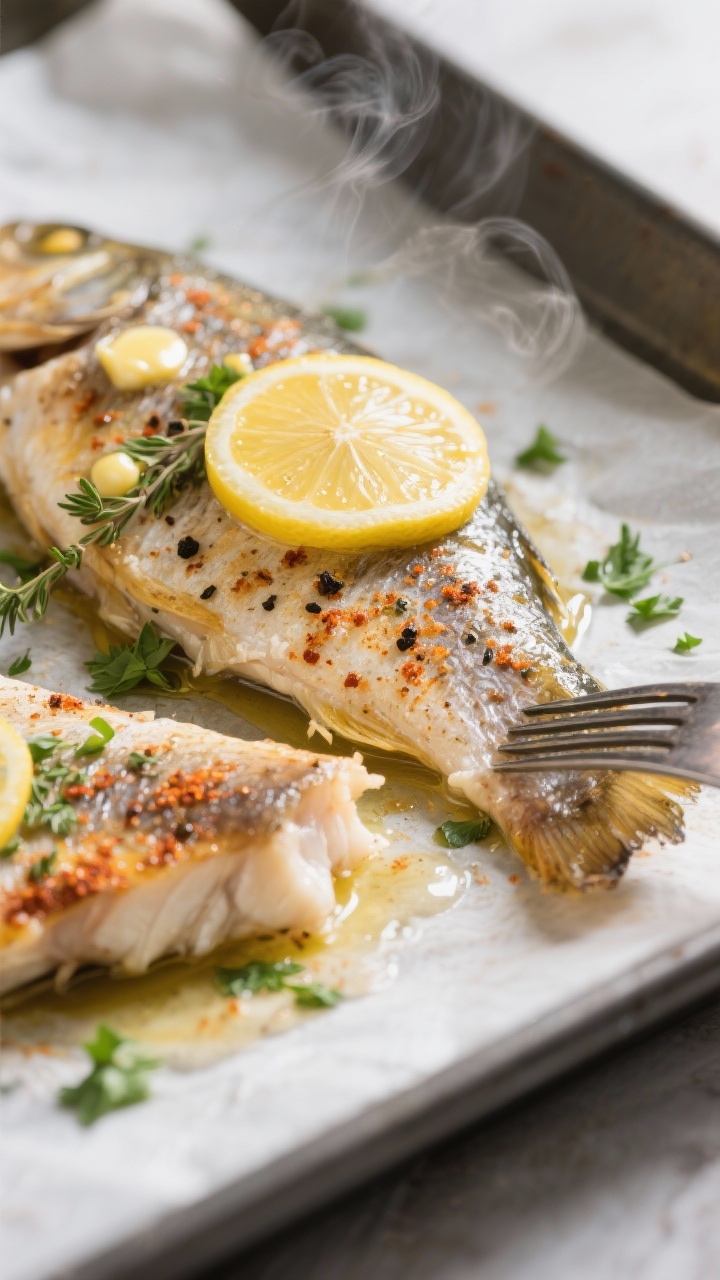
- Perch is mild and delicate, so it pairs beautifully with lemon, herbs, and a touch of olive oil.
- Baking keeps it moist and prevents the fish from drying out the way pan-frying sometimes can.
- Quick cook time means dinner on the table in under 30 minutes, including prep.
- Simple seasoning lets the natural flavor of the fish shine without overpowering it.
- Healthy by default thanks to lean protein, healthy fats, and minimal added oil.
Ingredients
- 1 to 1.5 pounds perch fillets (skin on or off, pin bones removed)
- 2 tablespoons olive oil
- 1 tablespoon fresh lemon juice, plus extra lemon wedges for serving
- 1 teaspoon lemon zest
- 2 cloves garlic, finely minced
- 1 teaspoon Dijon mustard (optional, for a subtle tang)
- 3/4 teaspoon kosher salt (or to taste)
- 1/2 teaspoon freshly ground black pepper
- 1 teaspoon paprika (sweet or smoked)
- 1/2 teaspoon dried oregano or thyme
- 2 tablespoons chopped fresh parsley or dill, for garnish
- 1 tablespoon butter, cut into small pieces (optional, for extra richness)
- Lemon slices, for layering on top (optional)
Step-by-Step Instructions
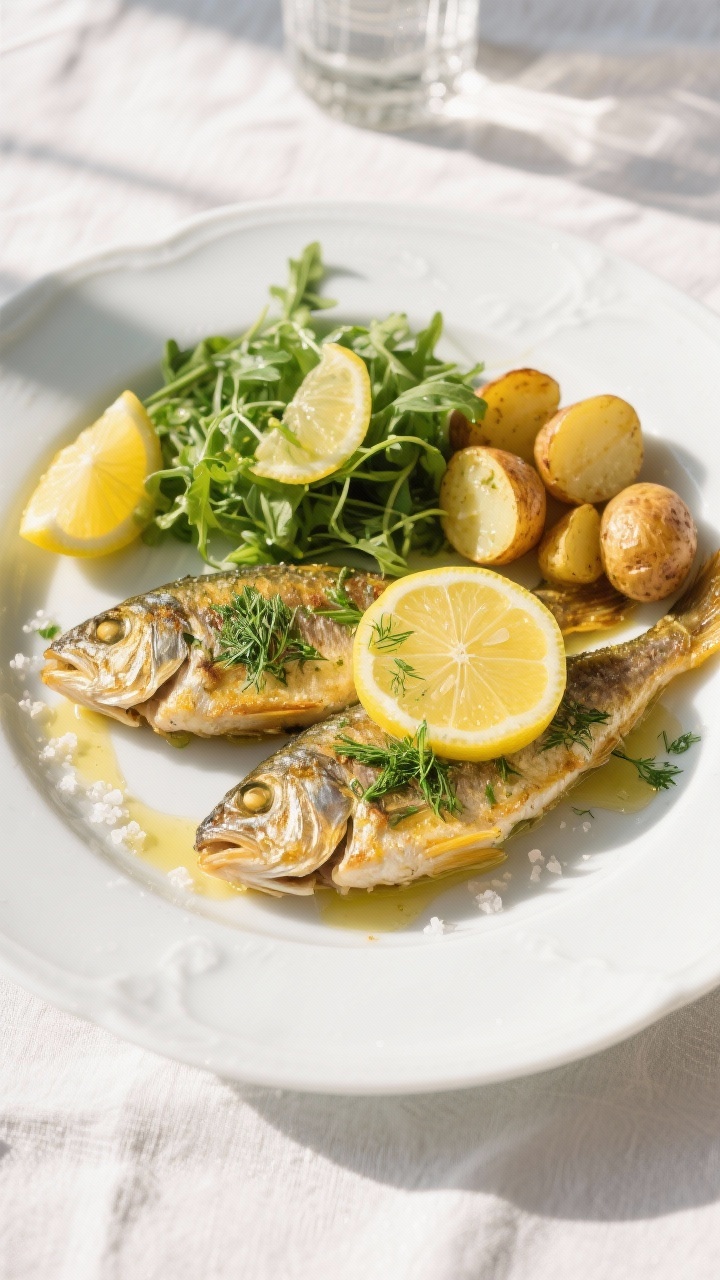
- Preheat the oven: Set the oven to 400°F (200°C).
Line a baking sheet with parchment paper or lightly oil a baking dish.
- Pat the fish dry: Use paper towels to remove surface moisture. This helps the seasonings stick and prevents steaming.
- Make the seasoning mix: In a small bowl, stir together olive oil, lemon juice, lemon zest, garlic, Dijon, salt, pepper, paprika, and oregano or thyme.
- Coat the fillets: Place perch on the prepared pan in a single layer. Spoon or brush the seasoning mixture over the fish.
Tuck a few lemon slices on top if you like. Dot with small pieces of butter for a richer finish.
- Bake: Cook for 8–12 minutes, depending on thickness. Thin fillets cook fast; thicker ones take closer to 12 minutes.
The fish is done when it flakes easily with a fork and turns opaque.
- Optional broil: For light browning, switch to broil for the last 1–2 minutes. Keep a close eye on it.
- Garnish and serve: Sprinkle with fresh parsley or dill. Serve with lemon wedges, a simple salad, and maybe roasted potatoes or steamed green beans.
Storage Instructions
- Refrigerate: Store leftovers in an airtight container for up to 2 days.
- Reheat gently: Warm in a 275°F (135°C) oven for 8–10 minutes or in a covered skillet over low heat.
Add a splash of water or lemon to keep it moist.
- Avoid microwaving on high: It can make the fish tough and rubbery. If you must, use 50% power and short bursts.
- Freezing: Cooked perch is delicate and can turn mushy after freezing. If needed, freeze tightly wrapped portions for up to 1 month and thaw overnight in the fridge before reheating.
Why This is Good for You
- Lean protein: Perch offers high-quality protein to keep you full and support muscle health.
- Low in saturated fat: Baking with olive oil reduces heavy fats while adding heart-healthy monounsaturated fats.
- Micronutrient boost: Perch provides B vitamins and minerals like selenium and phosphorus.
- Balanced plate: Pair with veggies and whole grains for a light, nutrient-dense meal without excess calories.
What Not to Do
- Don’t overbake: Perch cooks fast.
Overcooking dries it out and dulls the flavor.
- Don’t skip drying the fillets: Excess moisture prevents good browning and dilutes the seasoning.
- Don’t overload with heavy sauces: The fish is delicate. Keep flavors bright and clean.
- Don’t crowd the pan: Give the fish space so heat circulates and cooks evenly.
- Don’t forget to taste for salt: A pinch more at the end can wake up all the flavors.
Variations You Can Try
- Lemon-Herb Crust: Mix 1/3 cup panko with 1 tablespoon olive oil, lemon zest, chopped parsley, and a pinch of salt. Press lightly onto the fillets and bake as directed.
- Garlic-Parmesan: Add 2 tablespoons grated Parmesan to the seasoning mix.
Watch closely under the broiler to avoid burning.
- Mediterranean Style: Add cherry tomatoes, sliced olives, capers, and a drizzle of olive oil around the fish. Finish with fresh basil.
- Smoky Paprika & Lime: Swap lemon for lime and use smoked paprika plus a pinch of cumin. Great with cilantro and avocado.
- Sheet-Pan Dinner: Surround the perch with thinly sliced zucchini, bell peppers, and red onion.
Toss veggies with olive oil, salt, and pepper. Bake everything together, adding the fish after the veggies have roasted for 10 minutes.
- Butter-Lemon Pan Sauce: After baking, remove the fish. In the same pan, melt 1 tablespoon butter with a splash of chicken broth or white wine and a squeeze of lemon.
Spoon over the fillets.
FAQ
How do I know when perch is done?
The fish should be opaque and flake easily with a fork. A thermometer inserted into the thickest part should read about 135–140°F. It will continue to cook slightly after you remove it from the oven.
Can I use frozen perch?
Yes.
Thaw it overnight in the fridge or under cold running water, then pat dry very well before seasoning. Excess moisture can make the fish watery and bland.
Is skin-on perch okay for baking?
Absolutely. Skin-on fillets hold together well and can add flavor.
Bake skin-side down. The skin will be soft unless you broil briefly at the end.
What can I substitute for perch?
Walleye, tilapia, cod, haddock, or flounder all work. Choose fillets of similar thickness and adjust baking time as needed.
What should I serve with baked perch?
Simple sides are best: steamed asparagus, sautéed spinach, a lemony arugula salad, roasted potatoes, or quinoa.
A light yogurt-dill sauce or tartar sauce is a nice touch.
Can I make this recipe dairy-free?
Yes. Skip the butter and use only olive oil. The fish will still be flavorful and moist.
How can I prevent a fishy smell?
Use very fresh fish, store it cold, and cook it the same day if possible.
Lemon, herbs, and good ventilation help. Also, avoid overcooking, which can intensify odors.
Do I need to marinate the fish?
Not necessary. Because perch is thin and delicate, a quick brush with the seasoning mixture just before baking is enough.
If you do marinate, keep it under 20 minutes.
In Conclusion
Baked perch is an easy, wholesome meal that tastes bright and satisfying. With simple ingredients and a short cook time, it fits busy schedules and feels fresh and light. Keep the seasoning simple, watch the oven, and finish with a squeeze of lemon.
You’ll have a reliable recipe you can dress up for guests or keep casual on a weeknight. Healthy, flavorful, and ready in minutes—what’s not to love?