Let’s be real—boiled eggs sound simple, but somehow, they often turn into a kitchen nightmare. Too hard? Chalky and dry. Too soft? Slippery and undercooked. I’ve been there, trust me. But once you know the tricks, making perfect boiled eggs becomes almost effortless. Today, I’m sharing my foolproof tips so you can enjoy eggs exactly how you like them—every single time.
Personally, I love a soft-boiled egg with that luscious, runny yolk. But hey, I also admire the firm, sliceable eggs for salads. Whatever your preference, I’ve got you covered with easy, step-by-step methods and insider tips.
Why Boiled Eggs Deserve Your Attention
Before we crack into methods, let’s pause for a second—boiled eggs aren’t just breakfast food. They’re versatile, healthy, and surprisingly fancy if you know how to serve them.
- Nutritional powerhouse: Packed with protein, vitamins, and healthy fats.
- Meal prep magic: Keep them in the fridge for snacks, salads, or quick sandwiches.
- Budget-friendly: Eggs are cheap but feel like a culinary upgrade.
- Versatile: Soft, medium, or hard-boiled—they all have their uses.
Ever wondered why some eggs peel like a dream while others turn into a sticky mess? The secret isn’t magic—it’s technique.
Choosing the Right Eggs
Not all eggs are created equal. Here’s what I look for:
- Freshness: Slightly older eggs (about a week old) peel easier after boiling. Fresh eggs can be stubborn.
- Size: Large eggs are standard for timing, but adjust for medium or extra-large.
- Temperature: Room temperature eggs reduce cracking when dropped into hot water.
Pro tip: I always take eggs out of the fridge 10–15 minutes before cooking. It prevents those tiny explosions in the pot (yes, I’ve experienced that… more than once :/).
The Classic Boiling Method
Let’s start with the tried-and-true stovetop method.
Step-by-Step Instructions
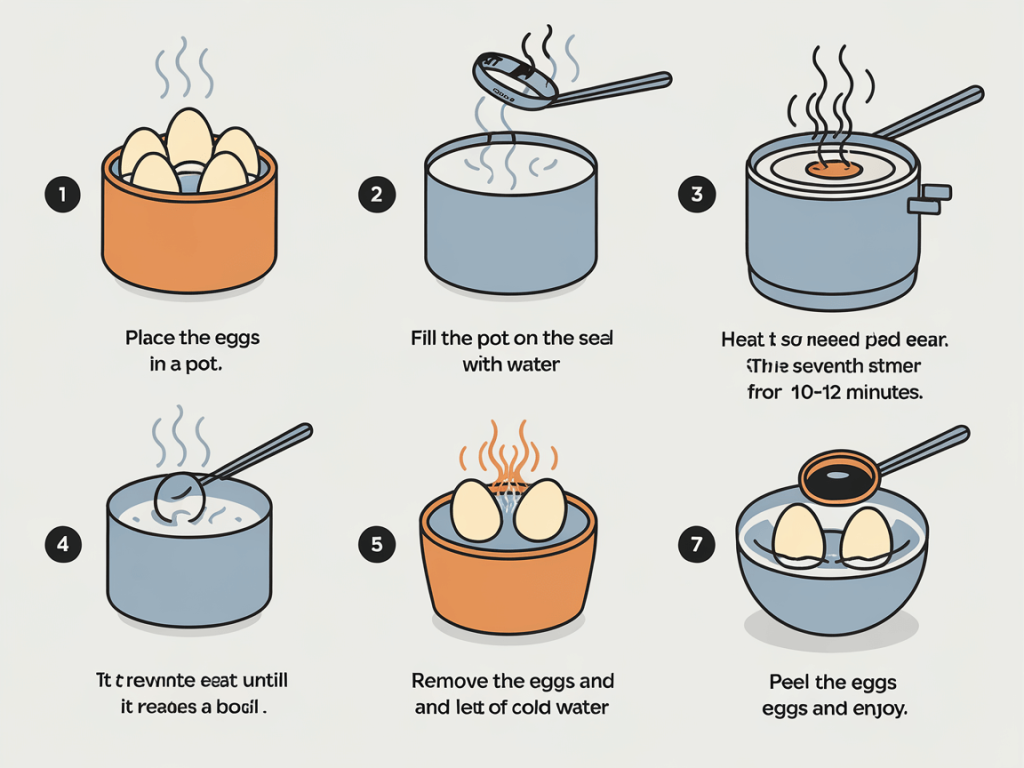
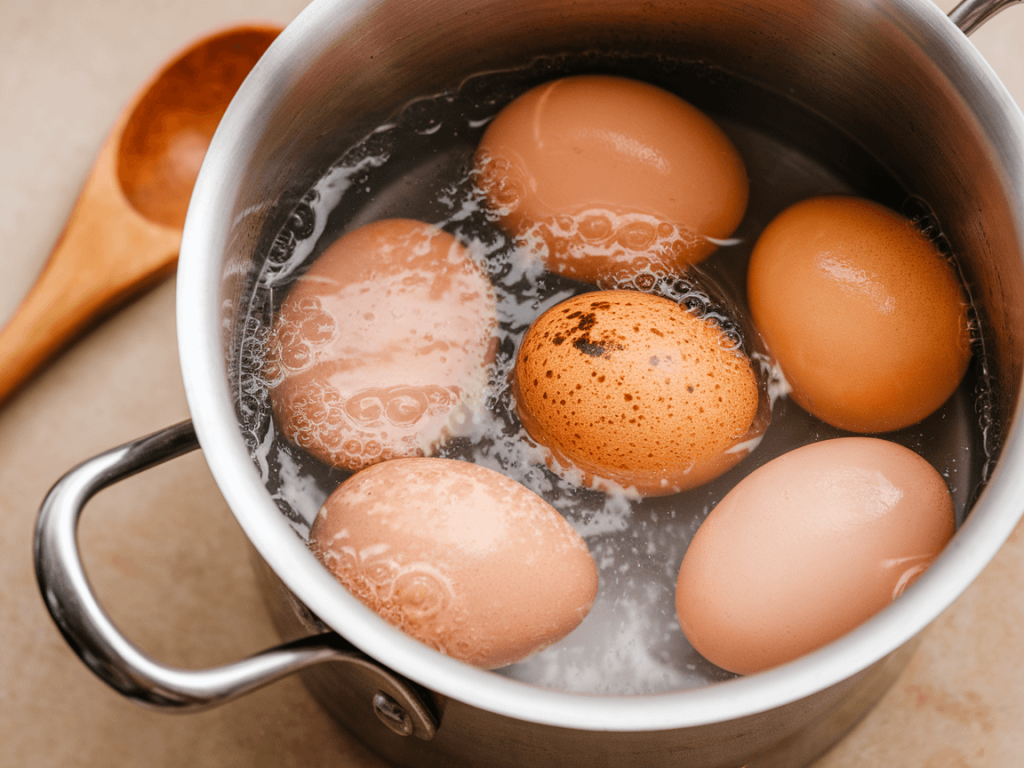
- Place eggs in a pot and cover with cold water—about an inch above the eggs.
- Add a pinch of salt or a splash of vinegar (optional) to prevent cracking and make peeling easier.
- Bring to a boil over medium-high heat.
- Once boiling, turn off the heat and cover the pot with a lid.
- Timing is key:
- Soft-boiled: 4–6 minutes
- Medium-boiled: 7–9 minutes
- Hard-boiled: 10–12 minutes
- Transfer eggs to an ice bath immediately to stop cooking and make peeling easier.
Ever noticed how even a few seconds can make a yolk go from perfectly runny to chalky? That’s why timing matters so much.
Steaming Eggs for Perfect Results
If boiling seems tricky, try steaming eggs. Honestly, this method changed my life.
How to Steam Eggs
- Step 1: Fill a pot with about an inch of water and insert a steamer basket.
- Step 2: Bring water to a simmer.
- Step 3: Add eggs to the basket and cover.
- Step 4: Steam for:
- Soft-boiled: 6 minutes
- Medium: 9 minutes
- Hard: 12 minutes
- Step 5: Move eggs to an ice bath.
Steaming produces eggs that peel like a dream and is slightly more forgiving than boiling. FYI, I use this method when making a batch for meal prep—it’s consistent every time.
Peeling Tips and Tricks
Ah, peeling. The part where dreams are made—or crushed.
Easy Peeling Hacks
- Ice bath: Stop cooking immediately; hot eggs continue to cook and stick.
- Crack and roll: Lightly tap the egg and roll it on a countertop to loosen the shell.
- Peel under running water: The water slips between egg and shell, making life easier.
- Use older eggs: Seriously, slightly older eggs peel better than fresh ones.
Ever tried peeling a fresh egg and ended up with a Swiss cheese mess? Yeah, me too. Ice bath + older eggs = happy peeling.
Creative Ways to Enjoy Boiled Eggs
Boiled eggs aren’t just for breakfast bowls. Here’s how I love to enjoy them:
1. Classic Breakfast
- Slice over toast, sprinkle salt and pepper.
- Optional: avocado for that creamy twist.
2. Salads
- Chop hard-boiled eggs into salads for protein boost.
- Works beautifully in Cobb salad or potato salad.
3. Deviled Eggs
- Mash yolks with mayo, mustard, and spices.
- Refill whites for a party-perfect snack.
4. Snacks on the Go
- Peel and sprinkle with a little seasoning for a portable protein snack.
5. Fancy Garnishes
- Add slices to ramen, grain bowls, or avocado toast for extra flavor and texture.
Common Mistakes and How to Avoid Them
Even seasoned cooks mess up boiled eggs sometimes. Here’s what to watch out for:
- Overcooking: Leads to that dreaded green ring around the yolk.
- Undercooking: Nobody likes a runny yolk in a hard-boiled recipe unless that’s the goal.
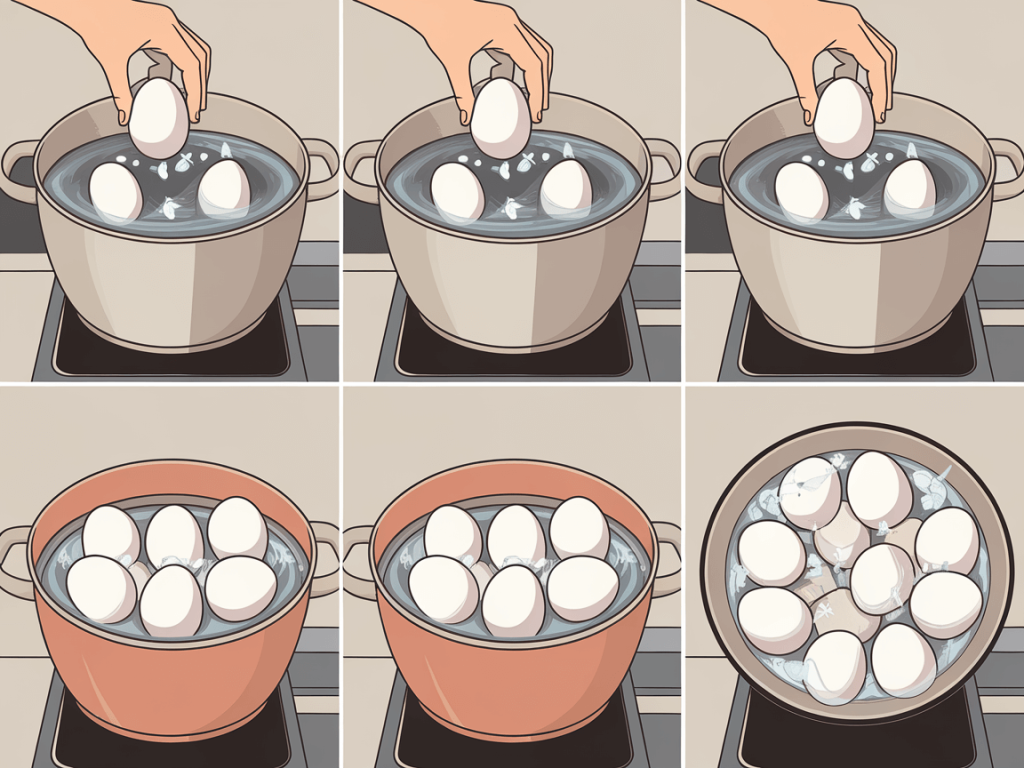
- Cracking eggs in boiling water: Use room temperature eggs and lower gently into water.
- Skipping the ice bath: Makes peeling unnecessarily difficult.
Trust me, avoiding these mistakes makes perfect eggs almost effortless.
Advanced Tips for Egg Perfection
Want to take your boiled eggs to the next level?
- Add baking soda to water: Helps shells slip off more easily.
- Pierce the rounded end: A tiny pinhole allows air to escape, reducing cracking.
- Cook in a single layer: Don’t overcrowd the pot—eggs need space to cook evenly.
- Experiment with altitude: Higher elevations may require slightly longer cooking times.
I’ve personally tried the baking soda trick, and peeling has never been easier.
Nutritional Benefits of Boiled Eggs
Boiled eggs are not just tasty—they’re good for you.
- High in protein: Keeps you full and energized.
- Rich in vitamins: A, D, E, B12.
- Minerals: Iron, phosphorus, selenium.
- Healthy fats: Especially if paired with avocado or olive oil.
Hard or soft, boiled eggs are a nutrient-packed food that fits into almost any diet.
Meal Prep Made Easy
Boiled eggs are perfect for meal prep enthusiasts.
- Make a batch at the start of the week.
- Store in the fridge for up to a week.
- Use in salads, sandwiches, or as quick snacks.
I always make 12 eggs at a time—soft ones for breakfast and hard ones for lunches. Saves so much time!
Fun Flavor Variations
Even plain boiled eggs can get a flavor upgrade:
- Spicy: Sprinkle with chili powder or cayenne.
- Herby: Use fresh herbs like dill, chives, or parsley.
- Savory: Soy sauce, sesame oil, and a pinch of garlic powder.
- Fancy: Marinate in beet juice, soy sauce, or smoked paprika for visually stunning eggs.
Ever seen those colorful marbled eggs? Yes, they taste amazing and are basically instant conversation starters.
Boiled Eggs for Every Preference
No two egg lovers are the same, so here’s a quick guide for every yolk preference:
- Soft-boiled: Yolk is runny, perfect for dipping toast or ramen.
- Medium: Slightly creamy yolk, ideal for salads or sliced on sandwiches.
- Hard: Fully cooked yolk, great for deviled eggs or snackable protein.
The key is timing. Get that right, and the eggs are perfect every time.
Quick Recap
Boiled eggs can be simple and satisfying if you follow a few rules:
- Use slightly older eggs for easier peeling.
- Cook with precision—timing is everything.
- Ice bath immediately after cooking.
- Peel under running water for smooth results.
- Experiment with flavors and serving methods.
Whether you like them soft, medium, or hard, boiled eggs can fit any meal and taste amazing.
Conclusion
Boiled eggs are easy, versatile, and delicious when done right. From breakfast toast to elegant deviled eggs, mastering the technique opens up a world of possibilities.
Remember these key tips:
- Use room temperature or slightly older eggs.
- Time carefully for soft, medium, or hard yolks.
- Always use an ice bath to stop cooking and make peeling simple.
- Experiment with flavors and add-ins to keep things interesting.
Next time you crack an egg, think about these tips. Soon, you’ll be serving up perfectly cooked boiled eggs every time, impressing friends, family, or just yourself 🙂
Final thought: Once you master boiled eggs, it’s like unlocking a superpower in the kitchen. Trust me—you’ll wonder why you ever feared the humble egg.