Let’s be real—eggs are one of those foods that can either be boring or totally life-changing depending on how you cook them. And if you haven’t tried Korean-style eggs, you’re seriously missing out. These little golden beauties are creamy, savory, slightly sweet, and unbelievably quick to make. Honestly, the first time I tried this recipe, I thought, “Why has no one told me about this before?”
Whether you’re rushing to work, hosting friends for brunch, or just craving something that feels fancy without the effort, Korean eggs are your answer. Stick with me, and I’ll show you how to make them perfectly every time.
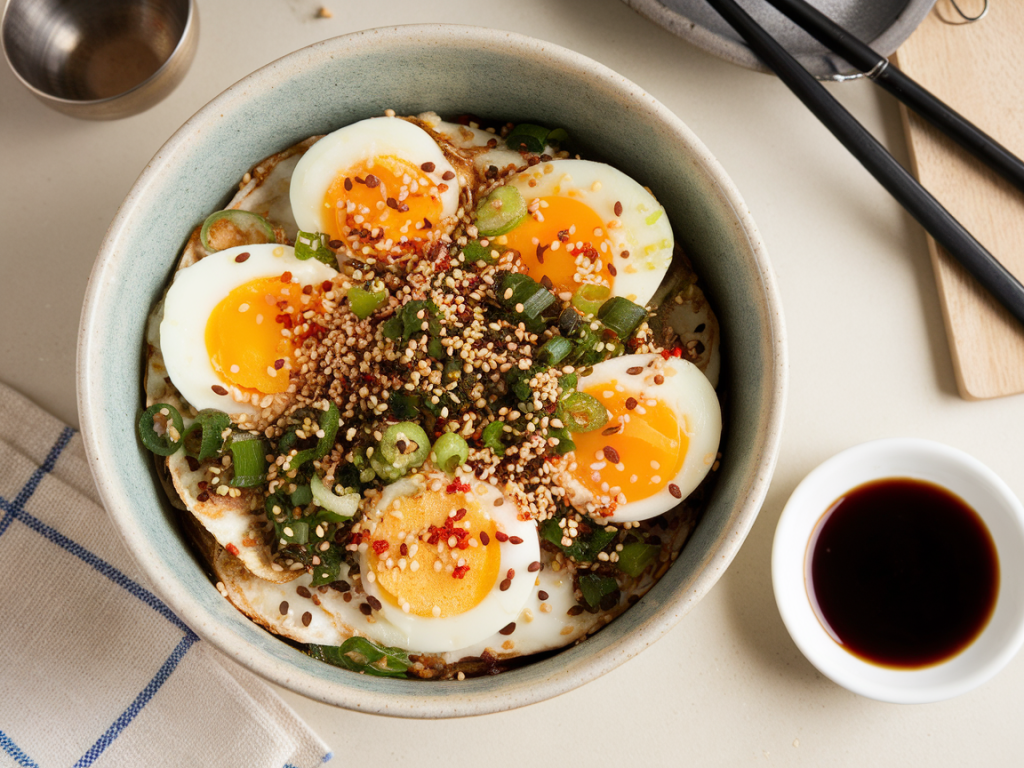
What Makes Korean Eggs So Special?
You might be wondering, “What’s the deal with Korean eggs?” Well, it’s all about the balance of flavors and textures. Unlike your standard scrambled eggs, Korean eggs are:
- Extra creamy: They have a soft, custard-like texture that melts in your mouth.
- Flavor-packed: Seasoned with soy sauce, sesame oil, and sometimes a touch of sugar for depth.
- Quick to make: Most versions cook in just 5–7 minutes.
- Versatile: Perfect as a side dish, a topping for rice, or a quick meal on their own.
Ever tried eggs that taste like a luxurious custard but are ridiculously easy to whip up? That’s exactly why these are a game-changer.
Ingredients You’ll Need
Before you get started, gather these simple ingredients:
- 4 large eggs
- 2 tablespoons milk or water (for extra fluffiness)
- 1 teaspoon soy sauce
- 1 teaspoon sesame oil
- 1 teaspoon sugar (optional but adds depth)
- 1 green onion, chopped
- Salt and pepper to taste
- Sesame seeds for garnish (optional)
Pro tip: Using fresh eggs makes a noticeable difference in texture and flavor. FYI, I never skip this—it’s worth it.
Step-by-Step Cooking Instructions
1. Prep the Eggs
- Crack the eggs into a bowl and whisk gently.
- Add milk or water, soy sauce, sesame oil, and sugar.
- Mix until smooth and slightly frothy.
Ever wondered why the eggs turn out creamier with milk or water? The liquid creates steam as they cook, making the eggs soft and fluffy.
2. Cook Over Low Heat
- Heat a nonstick skillet over medium-low heat.
- Pour in the egg mixture.
- Stir continuously with a spatula, gently folding the eggs.
Important: Don’t rush this. High heat cooks the eggs too fast and they’ll get rubbery. Patience is key here.
3. Finish with Garnishes
- Sprinkle with chopped green onions.
- Add a pinch of sesame seeds.
- Optional: drizzle a little more sesame oil for aroma.
IMO, these final touches make a huge difference—they add freshness, texture, and a pop of flavor.
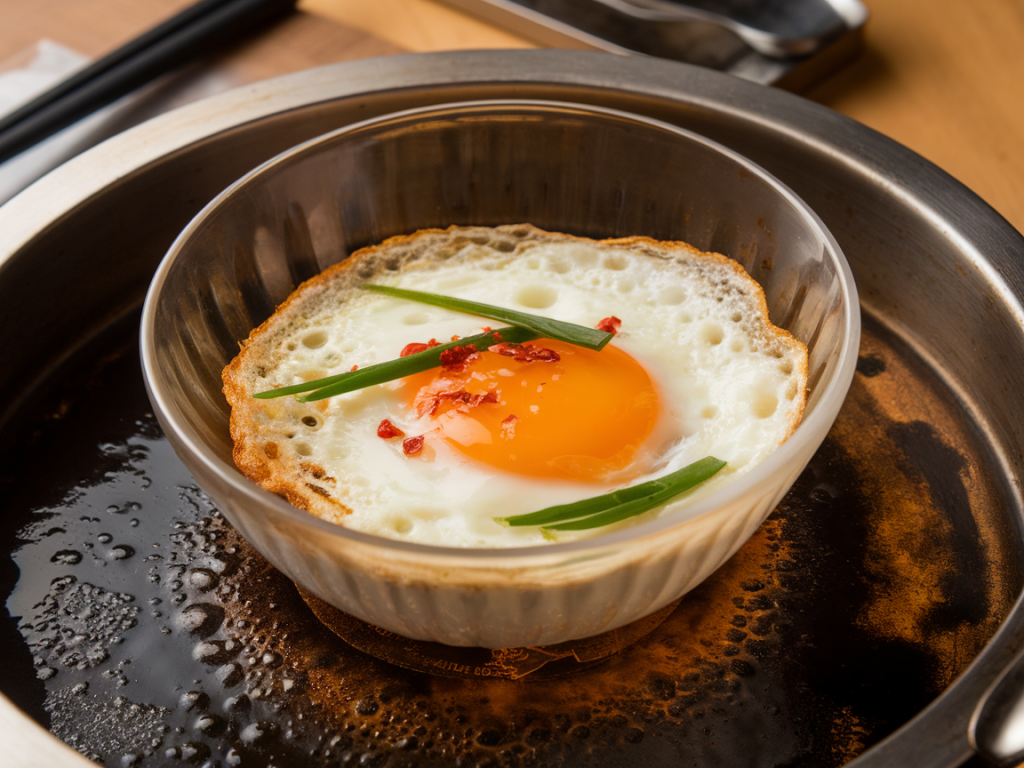
Tips for Perfect Korean Eggs
Getting Korean eggs just right is easier than you think if you follow a few key tips:
- Low and slow: Cooking over low heat prevents curdling and keeps eggs silky.
- Stir gently: You want soft folds, not scrambled chunks.
- Season lightly: Soy sauce and sesame oil carry a lot of flavor; taste before adding extra salt.
- Optional mix-ins: Mushrooms, spinach, or kimchi can enhance flavor without overpowering.
Ever tried rushing eggs on high heat? Yeah, I’ve been there. Don’t do it—it’s a rookie mistake.
Variations You’ll Love
Korean eggs are super versatile. Here are some ideas to mix things up:
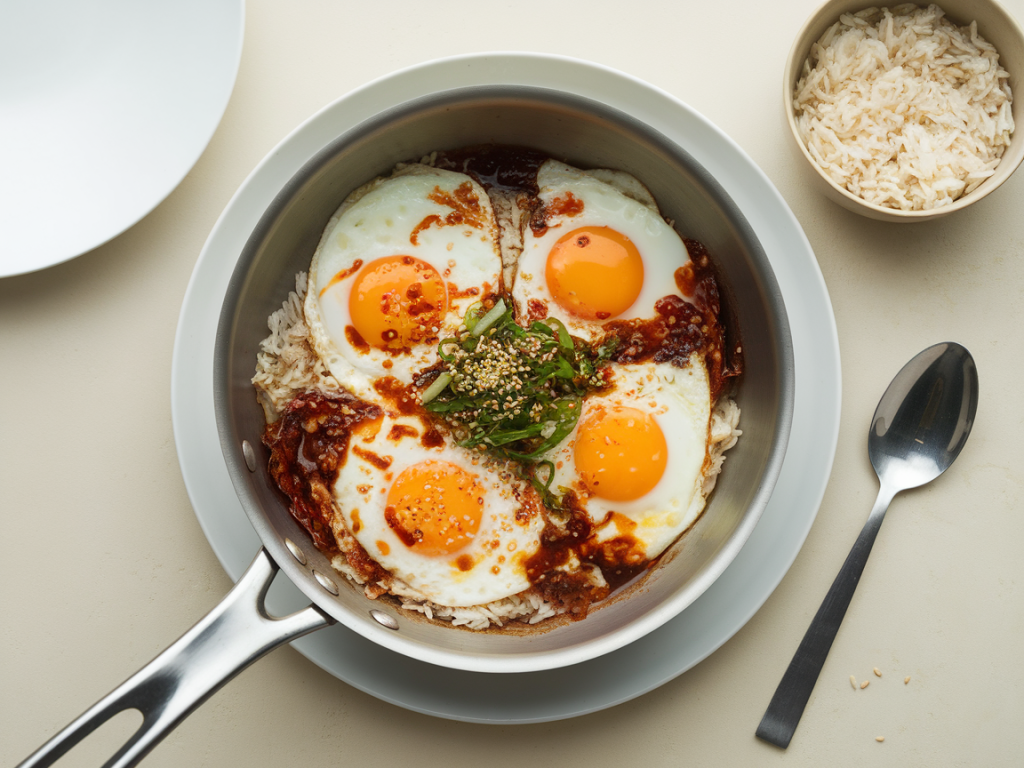
Egg Over Rice
- Serve creamy eggs on top of steamed rice.
- Add a drizzle of soy sauce or gochujang for heat.
- Garnish with nori or sesame seeds.
This is my go-to for a quick lunch. It’s comforting, filling, and honestly, a little addictive.
Korean Egg Sandwich
- Spread the eggs on toasted bread with a slice of cheese.
- Optional: add bacon or ham.
- A fun, protein-packed breakfast that’s ready in minutes.
Kimchi Fried Rice with Eggs
- Make fried rice with kimchi, vegetables, and a bit of soy sauce.
- Top with creamy Korean eggs.
This combo is perfect if you like spicy, savory, and creamy all in one bite.
Why Korean Eggs Work Every Time
- Balanced flavors: A touch of sweet, salty, and nutty from sesame oil.
- Quick cooking: Minimal time for maximum results.
- Flexible serving options: Breakfast, lunch, dinner, or a snack.
- Crowd-pleaser: Friends and family will ask for seconds.
Ever noticed how simple ingredients can create the most memorable dishes? That’s the magic here.
Nutritional Benefits
Korean eggs aren’t just delicious—they’re good for you too:
- High protein: Keeps you full and energized.
- Vitamins and minerals: Eggs provide vitamin D, B12, and selenium.
- Healthy fats: Sesame oil adds a rich flavor plus beneficial fats.
- Low-carb option: Perfect if you’re watching carbs but still want a hearty meal.
IMO, it’s a rare breakfast that’s indulgent and nutritious at the same time.
Common Mistakes to Avoid
Even seasoned cooks can slip up. Avoid these pitfalls:
- High heat: Eggs cook too fast and turn rubbery.
- Over-stirring: Can break down the texture too much.
- Skipping seasoning: Soy sauce and sesame oil are essential.
- Ignoring garnish: Green onions and sesame seeds add freshness and presentation.
Trust me, missing these small details can turn your silky eggs into…well, meh.
Meal Prep and Storage
Want to save time without sacrificing taste? Here’s how:
- Make ahead: Whisk the eggs with seasonings and store in the fridge for up to a day.
- Reheat gently: Warm over low heat or microwave in 15-second intervals.
- Add fresh garnishes: Always top with green onions or sesame seeds after reheating.
This way, you can enjoy delicious Korean eggs any time without standing over a stove.
Pairing Suggestions
Korean eggs taste amazing with a variety of sides and meals:
- Steamed rice: Classic and comforting.
- Kimchi: Adds a tangy, spicy contrast.
- Toast or bread: Great for sandwiches.
- Fresh vegetables: Cucumbers, tomatoes, or bell peppers brighten the plate.
Ever tried pairing creamy eggs with something crunchy? It’s unexpectedly satisfying.
Why You Should Try This Recipe
If you’re still on the fence, consider this:
- Minimal ingredients, maximum flavor.
- Soft, creamy eggs with a delicate balance of sweet and savory.
- Quick enough for busy mornings but fancy enough for brunch.
- Endless versatility—you can serve it in multiple ways.
FYI, this is the kind of recipe that sticks with you. You’ll find yourself craving these eggs again and again.
Conclusion
Korean eggs are a quick, flavorful, and versatile dish that can elevate any meal. From a speedy breakfast to a comforting dinner side, these eggs are creamy, lightly seasoned, and incredibly satisfying.
Remember the key points:
- Low heat and gentle stirring for creamy texture.
- Season carefully with soy sauce, sesame oil, and sugar.
- Serve creatively on rice, toast, or in sandwiches.
- Add garnishes like green onions and sesame seeds for extra flavor.
Once you try this recipe, you’ll never look at scrambled eggs the same way again. And honestly, who doesn’t want a meal that’s quick, easy, and tastebud-approved? 🙂
Quick Recap:
- 4 eggs + milk/water + soy sauce + sesame oil = perfect base
- Cook gently over low heat for silky texture
- Garnish with green onions and sesame seeds
- Serve with rice, toast, or as a sandwich
- Optional mix-ins: kimchi, spinach, or mushrooms