Let’s be real—sometimes mornings are chaotic, and the last thing you want is to stand over a stove flipping eggs like a short-order cook. But guess what? You can cook eggs in the microwave, and yes, they can actually taste amazing. I’ve been guilty of thinking microwave eggs would be rubbery disasters, but after a bit of experimentation, I cracked the code. Now, I can whip up breakfast in minutes without sacrificing flavor or texture.
So, if you’ve ever wondered how to cook eggs in the microwave quickly, easily, and perfectly every time, stick around. You might just save yourself some early-morning stress (and maybe even impress your roommates or family).
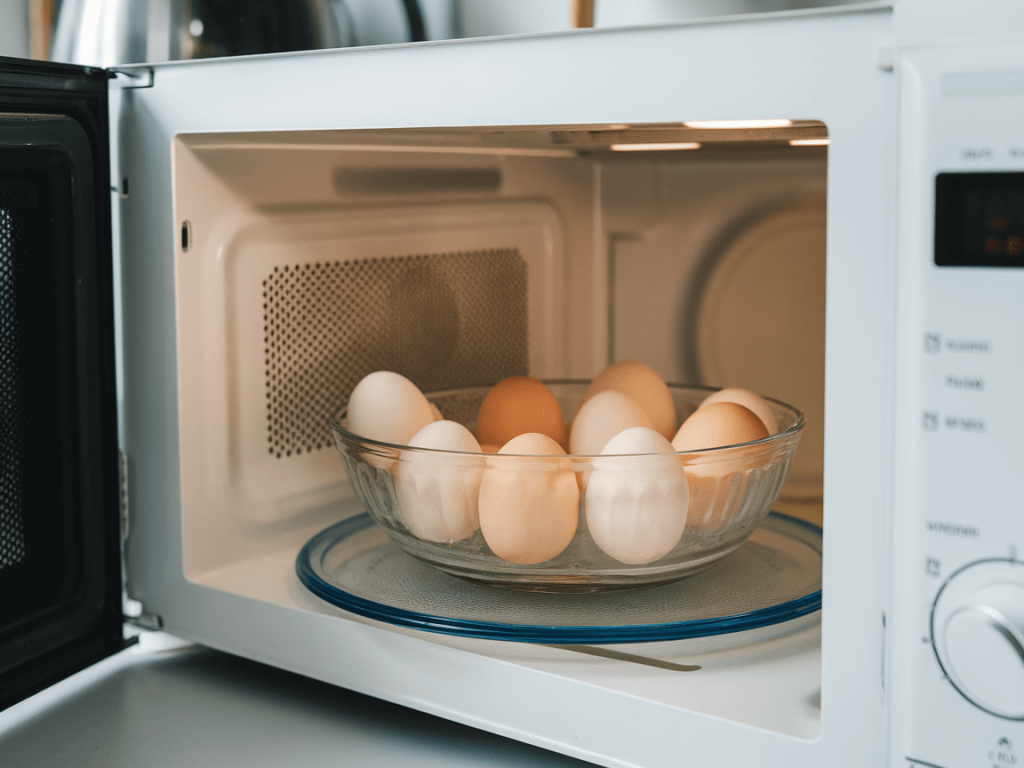
Why Microwave Eggs Are a Game-Changer
Microwave eggs often get a bad rap. People assume they end up rubbery, dry, or oddly shaped. But here’s the deal:
- Speed: Breakfast in under 2–3 minutes.
- Less Mess: One bowl, one spoon, done.
- Customizable: Scrambled, poached, omelets—you name it.
- Minimal Cleanup: Your pan collection can breathe a sigh of relief.
Ever tried scrambling eggs in a pan at 7:30 a.m. while half-asleep? Yeah… I’ve set off the smoke alarm more than once. Microwave eggs solve that.
Choosing the Right Eggs and Microwave-Safe Tools
Before we get into actual cooking, let’s make sure you’re set up for success.
Egg Selection
- Fresh Eggs: Fresher eggs hold together better, but slightly older eggs peel easier if you’re doing hard-cooked microwave eggs.
- Room Temperature: Eggs cook more evenly if they’re not straight out of the fridge.
Microwave-Safe Bowls
- Glass or ceramic bowls work best.
- Avoid metal containers—FYI, that’s a fire hazard.
- A microwave-safe plate or cover prevents splatters.
IMO, a simple glass bowl has been my go-to for years. It’s unassuming but reliable.
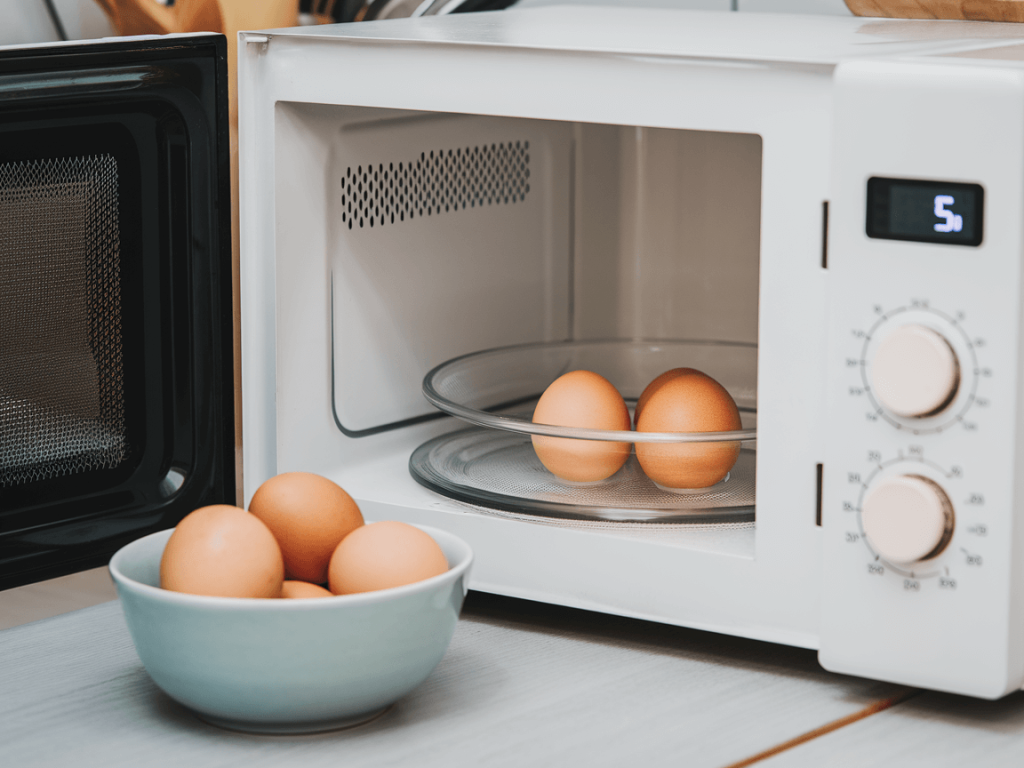
How to Scramble Eggs in the Microwave
Scrambled eggs are probably the easiest microwave egg hack. Here’s how I do it:
Ingredients
- 2 eggs
- 2 tablespoons milk or water (for fluffiness)
- Salt and pepper to taste
- Optional: shredded cheese, diced veggies, cooked bacon
Steps
- Crack eggs into a microwave-safe bowl.
- Add milk or water, salt, and pepper.
- Whisk vigorously until well combined.
- Microwave on high for 45 seconds.
- Stir, then microwave for another 30–45 seconds until cooked but still slightly soft.
- Optional: top with cheese or other mix-ins and microwave 10–15 seconds to melt.
Pro tip: Microwave power varies, so check halfway. You want soft, creamy eggs, not rubber hockey pucks.
Ever tried microwaving eggs without stirring? Don’t. It’s like playing Russian roulette with breakfast texture.
Microwave Poached Eggs
Yes, you can make poached eggs in the microwave—perfect for avocado toast or a quick eggs benedict hack.
Ingredients
- 1 egg
- ½ cup water
- Pinch of salt
Steps
- Pour water into a microwave-safe mug.
- Crack egg into the water carefully.
- Cover with a microwave-safe plate.
- Microwave on high for 50–60 seconds.
- Use a slotted spoon to remove the egg.
Pro tip: Prick the yolk gently with a toothpick to prevent explosions. Microwave poached eggs are surprisingly tender if you keep an eye on them.
Omelets in the Microwave
You don’t need a fancy skillet for a breakfast omelet. Microwave omelets are legit.
Ingredients
- 2–3 eggs
- 2 tablespoons milk or cream
- Salt and pepper
- Optional: diced vegetables, cheese, ham, herbs
Steps
- Whisk eggs, milk, salt, and pepper in a microwave-safe bowl.
- Stir in veggies or meats.
- Microwave on high for 1–2 minutes.
- Stir halfway to avoid uneven cooking.
- Let rest 30 seconds, then fold or roll as desired.
IMO, adding a little shredded cheese makes microwave omelets feel indulgent. Bonus: no sticking, no scrubbing pans.
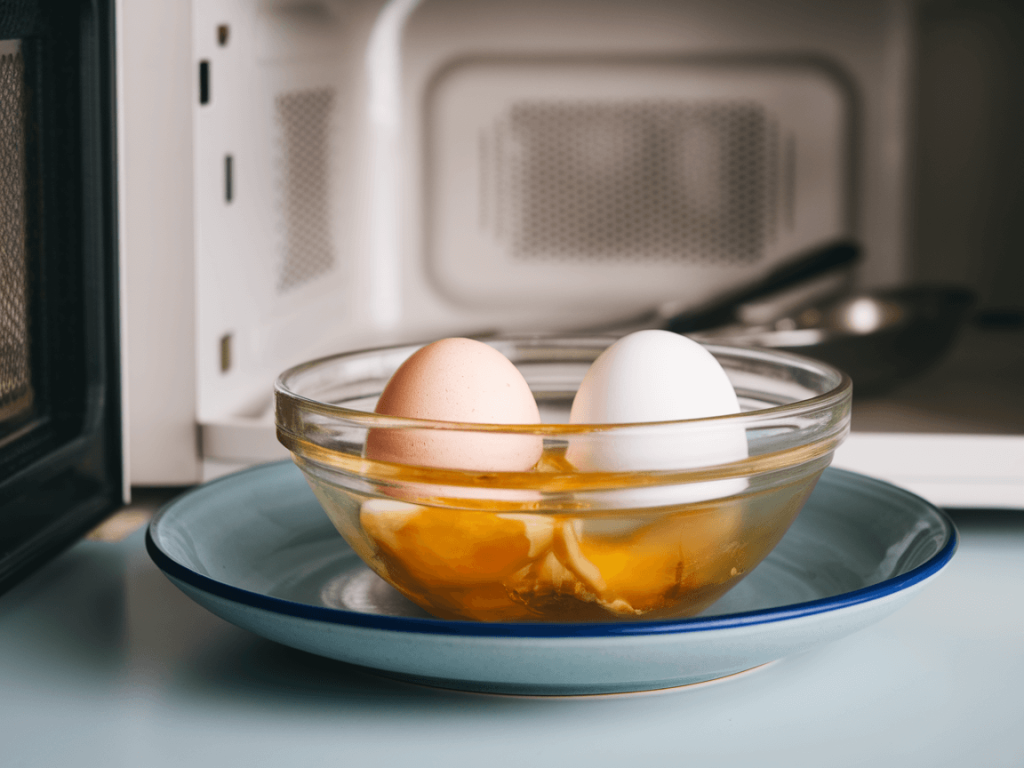
Tips for Perfect Microwave Eggs Every Time
- Cover Your Eggs: A microwave-safe plate or lid prevents splattering.
- Stir Frequently: Especially for scrambled or omelet-style eggs; this avoids uneven cooking.
- Don’t Overcook: Eggs keep cooking for a few seconds after microwaving. Take them out slightly earlier than you think.
- Season at the Right Time: Salt can make eggs watery if added too early. Season lightly before, then adjust after cooking.
Ever bitten into a microwave egg that tastes like rubber? Yeah… don’t do that. These tips keep your eggs tender and flavorful.
Creative Microwave Egg Ideas
Microwave eggs aren’t limited to breakfast. You can get creative:
- Egg Muffins: Mix eggs, veggies, and cheese in a muffin tin, microwave in batches. Great for meal prep.
- Shakshuka-Inspired Mug: Add tomato sauce, spices, and a cracked egg for a spicy, portable version of the classic.
- Egg Sandwich Filling: Scramble eggs quickly, layer with cheese and bacon, then microwave again briefly for a gooey sandwich.
IMO, egg muffins are a lifesaver for busy mornings. They’re portable, filling, and fully customizable.
Common Mistakes to Avoid
Even microwave pros slip up sometimes. Avoid these rookie errors:
- Skipping the Stir: Leads to uneven cooking or rubbery spots.
- Using Metal or Non-Microwave-Safe Containers: This is a quick way to destroy your microwave.
- Overcooking: Eggs go from creamy to rubbery faster than you think.
- Not Covering: Splatter everywhere—trust me, it’s not fun to clean.
FYI, keeping an eye on cooking time is more important than precise measurements. Microwave eggs require a bit of attention, but the payoff is huge.
Microwave Egg Safety
A few safety tips go a long way:
- Pierce Yolks for Poaching: Prevents explosions in the microwave.
- Use Microwave-Safe Containers: Don’t be that person who melts plastic in their microwave.
- Cook Evenly: Stirring helps distribute heat and avoid hot spots.
Safety might not sound exciting, but it keeps breakfast stress-free. Plus, no one wants a broken microwave or scrambled eggs catastrophe.
Nutritional Benefits
Microwave eggs retain all the nutrition of stove-cooked eggs:
- High-Quality Protein: Perfect for muscle repair or keeping you full until lunch.
- Rich in Vitamins: Eggs provide vitamin D, B12, selenium, and choline.
- Low-Calorie Option: Especially if you skip extra butter or oil.
So, even if you’re rushing, you’re still eating a nutrient-packed meal.
Pairing Ideas
Microwave eggs are versatile. Pair them with:
- Toast or English Muffins: Classic combo.
- Avocado or Guacamole: Adds healthy fats and creaminess.
- Veggies: Tomatoes, spinach, or peppers brighten up your plate.
- Cheese and Salsa: Quick flavor boost.
IMO, avocado toast topped with a perfectly poached microwave egg is basically heaven in one bite.
Make-Ahead and Meal Prep
You can prep eggs ahead of time too:
- Scramble and Store: Cook, cool, and refrigerate in an airtight container for 2–3 days. Reheat briefly in the microwave.
- Egg Muffins: Make a batch for the week; they reheat beautifully.
- Microwave Omelet Fillings: Chop veggies or meats ahead and store separately; add to eggs when ready.
Meal prep keeps busy mornings stress-free and ensures a hot, protein-rich breakfast every day.
Troubleshooting Microwave Eggs
- Eggs Exploding? Pierce yolks and cover loosely.
- Rubbery Texture? Reduce cook time and stir halfway.
- Uneven Cooking? Stir eggs midway through microwaving.
Ever had a microwave breakfast disaster? Yeah, me too. Following these simple tweaks prevents most disasters.
Conclusion
Cooking eggs in the microwave is fast, convenient, and surprisingly delicious if you know what you’re doing. Scrambled, poached, omelets, or egg muffins—all can come together in minutes with minimal cleanup.
Remember: stir, cover, and don’t overcook. That’s the microwave egg mantra. Whether you’re rushing out the door or just want an easy meal, microwave eggs make breakfast stress-free.
Next time you’re in a rush, skip the stove and give your microwave a chance—it might just become your new best breakfast buddy 🙂
Quick Recap: Microwave Egg Tips
- Use microwave-safe bowls or mugs.
- Stir frequently and cover eggs to avoid splatter.
- Reduce cook time slightly to avoid rubbery eggs.
- Experiment with mix-ins: cheese, veggies, bacon, herbs.
- Perfect for scramble, poach, omelets, and egg muffins.