If you’ve ever bitten into a piece of focaccia, you know it’s basically the edible equivalent of a warm hug. Soft, fluffy, slightly chewy, with those golden, perfectly seasoned pockets on top—it’s a masterpiece in bread form. But let’s be honest, homemade focaccia can feel intimidating. Yeast, rising times, drizzling olive oil… it can sound like a lot. Trust me, I’ve been there. My first attempt looked like a flat pancake with weird craters. But after a few tries (and a lot of taste-testing, obviously), I nailed it. Now, I’m going to show you how to make focaccia bread at home that’s soft, fluffy, and seasoned just right—without breaking a sweat.
So, grab your apron, preheat that oven, and let’s turn your kitchen into an Italian bakery.
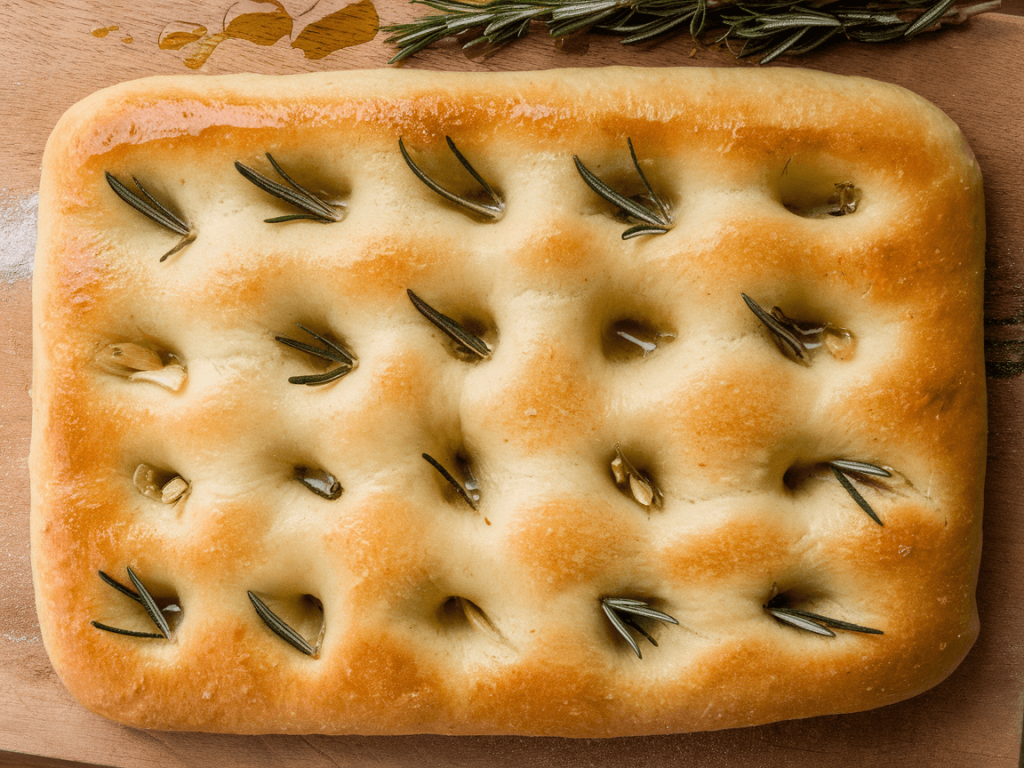
Why Homemade Focaccia Is Totally Worth It
Before we get into the nitty-gritty, let me tell you why homemade focaccia is way better than store-bought:
- Freshness you can taste: Nothing beats hot focaccia straight from the oven.
- Customizable flavors: Garlic, rosemary, sea salt, or even sun-dried tomatoes—you’re in control.
- No mystery ingredients: No preservatives, no weird oils, no shady additives.
- Instant satisfaction: There’s nothing like poking the dough, drizzling olive oil, and seeing those magical dimples form.
Ever noticed how bakery focaccia seems so perfect? Yeah… homemade can rival that, I promise.
Ingredients You’ll Need
The beauty of focaccia is that it’s simple, requiring just a handful of ingredients, most of which you probably have on hand.
For the Dough:
- 3 ½ cups all-purpose flour
- 1 tablespoon sugar
- 2 teaspoons salt
- 1 tablespoon instant yeast
- 1 ¼ cups warm water
- ¼ cup olive oil (plus more for drizzling)
For Topping & Seasoning:
- 2–3 tablespoons olive oil
- 1–2 teaspoons flaky sea salt
- Fresh rosemary or thyme (optional)
- Cherry tomatoes, olives, or caramelized onions (optional for variety)
Pro Tip: Using good quality olive oil makes a huge difference. It’s the flavor backbone of focaccia, so splurge a little.
Step-by-Step Instructions
Step 1: Activate the Yeast
Start by mixing warm water, sugar, and yeast in a bowl. Let it sit for 5–10 minutes until it becomes frothy. If it doesn’t bubble, your yeast might be expired—don’t worry, we’ve all been there.
Ever watched yeast froth like little bubbles of happiness? It’s oddly satisfying.
Step 2: Mix and Knead the Dough
In a large bowl, combine flour and salt. Add the yeast mixture and ¼ cup olive oil. Mix until the dough forms a sticky ball.
- Knead on a floured surface for 8–10 minutes until smooth and elastic.
- Alternatively, use a stand mixer with a dough hook for a hands-off approach.
FYI: The dough should be slightly sticky but manageable. If it’s too dry, add water a teaspoon at a time; too wet, sprinkle a little flour.
Step 3: Let the Dough Rise
Place the dough in a greased bowl, cover with a damp cloth or plastic wrap, and let it rise in a warm spot for 1–2 hours, or until doubled in size.
Pro Tip: I sometimes preheat my oven to 100°F, turn it off, and place the dough inside. It rises beautifully every time.
Step 4: Shape the Dough
Once risen, gently punch down the dough and transfer it to a greased baking pan (9×13 inches works well).
- Spread it out evenly, using your fingers to create dimples all over the surface.
- These dimples are essential—they trap olive oil and seasoning, creating that signature focaccia texture.
Optional: Sprinkle toppings like rosemary, cherry tomatoes, or olives before baking.
Step 5: Second Rise
Cover the dough loosely with a cloth and let it rise for 20–30 minutes. This step ensures your focaccia stays soft and fluffy, rather than dense.
Step 6: Season and Bake
Preheat your oven to 425°F (220°C).
- Drizzle 2–3 tablespoons of olive oil over the top.
- Sprinkle with flaky sea salt and any herbs you like.
- Bake for 20–25 minutes, or until golden brown on top.
Pro Tip: Keep an eye on it during the last 5 minutes—the olive oil can bubble and brown quickly.
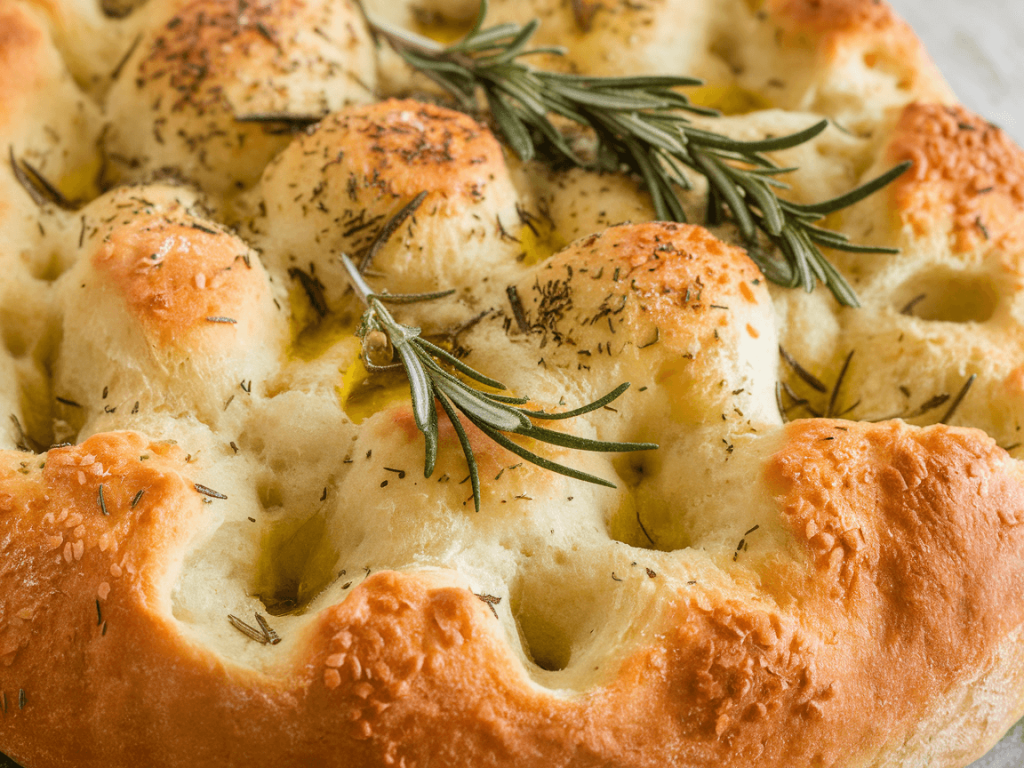
Tips for Perfectly Fluffy Focaccia
Want your focaccia to be light, airy, and soft? Here’s what works every time:
- Use warm water: Helps yeast activate quickly.
- Don’t skip the second rise: This gives focaccia its pillowy texture.
- Olive oil generously: Keeps it moist and adds flavor.
- High oven heat: Quick baking seals in softness while forming a golden crust.
- Flaky sea salt: Adds that finishing touch of flavor and crunch.
Rhetorical Question: Isn’t it crazy how such simple steps can produce bread worthy of a fancy Italian restaurant?
Flavor Variations You’ll Love
Focaccia is basically a canvas—you can add almost anything to it. Here are my favorite twists:
1. Classic Rosemary
- Sprinkle fresh rosemary and flaky sea salt over the dough before baking.
- Drizzle with olive oil for that classic Italian aroma.
2. Garlic & Herb
- Mix minced garlic with olive oil and brush on top.
- Add thyme or oregano for extra flavor.
3. Tomato & Olive
- Press halved cherry tomatoes and pitted olives into the dough.
- Sprinkle with sea salt and drizzle olive oil.
4. Caramelized Onion
- Sauté onions until golden and sweet.
- Spread over the dough before baking for a savory twist.
Rhetorical Question: Can you imagine any of these not being absolutely delicious? Exactly.
Serving Suggestions
Focaccia isn’t just bread—it’s versatile AF:
- As an appetizer: Serve with olive oil and balsamic vinegar for dipping.
- With meals: Perfect alongside pasta, soup, or salad.
- For sandwiches: Slice horizontally and fill with meats, cheese, or veggies.
- Snack attack: Honestly, it’s fantastic eaten straight from the pan.
FYI: I often make a batch just for casual snacking—it disappears faster than I can say “buonissimo.”
Storing and Reheating
Leftover focaccia? Don’t worry, it keeps pretty well.
- Room temperature: Store in an airtight container for 1–2 days.
- Refrigerator: Wrap in foil or plastic, stays good for up to 5 days.
- Freezer: Slice and freeze for up to 2 months; thaw and warm before serving.
- Reheating: Pop it in a hot skillet or oven for a few minutes to restore crisp edges.
Pro Tip: Drizzle a tiny bit of olive oil before reheating—your bread will thank you.
Common Mistakes to Avoid
Even seasoned bakers have hiccups. Here’s what to watch for:
- Skipping the second rise: Makes the bread dense.
- Too much flour: Leads to a heavy texture.
- Under-seasoning: Focaccia is all about flavor—don’t be shy with salt and herbs.
- Low oven heat: Won’t get that golden crust we all love.
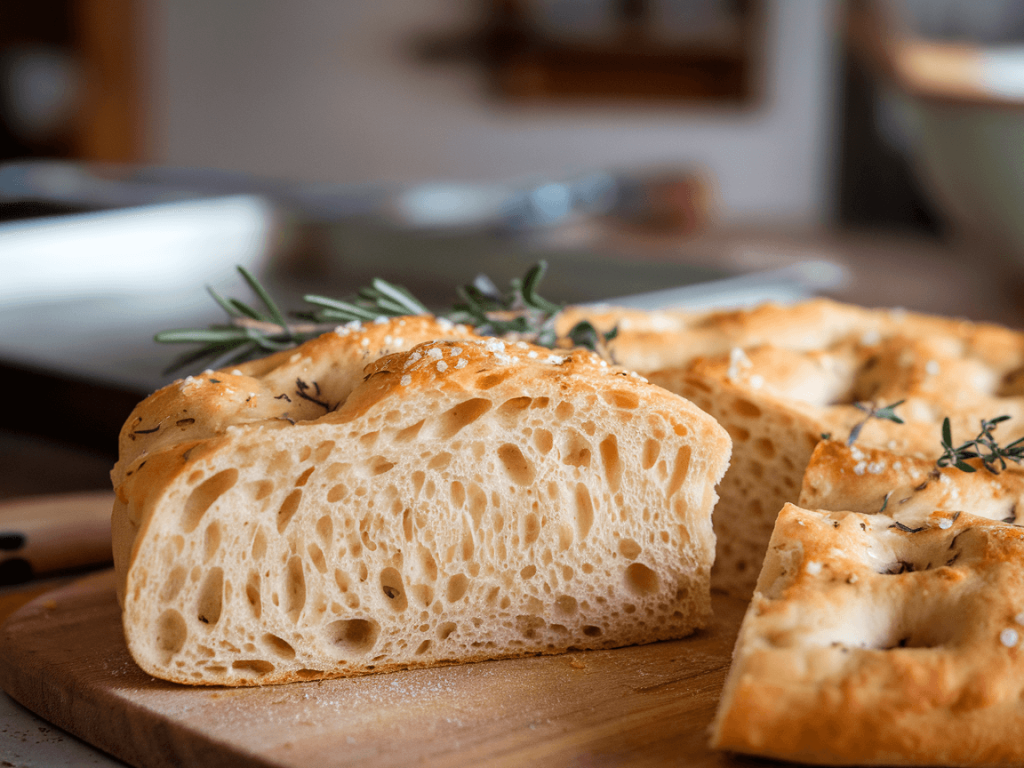
FAQ About Homemade Focaccia
Q: Can I make focaccia without yeast?
A: Sure, use baking powder, but it won’t have the same airy texture. Yeast gives it that soft, chewy charm.
Q: Can focaccia be made vegan?
A: Absolutely. No animal products are required, just stick with olive oil.
Q: How do I know when focaccia is done?
A: Golden brown top, slightly firm edges, and a soft, airy inside.
Q: Can I use whole wheat flour?
A: Yes! It will be a little denser but still delicious. Mix with all-purpose flour for a lighter result.
Personal Tips for Extra Delicious Focaccia
Over the years, I’ve discovered a few little tricks that take focaccia from good to unforgettable:
- Double drizzle of olive oil: Before and after baking.
- Fresh herbs over dried: Makes a big difference in aroma and flavor.
- Finger dimples: Don’t skip—they trap oil and create that signature texture.
- Resting the dough overnight: For even deeper flavor, let it rise slowly in the fridge.
Rhetorical Question: Isn’t it satisfying when small tweaks create bread magic in your kitchen?
Why Homemade Focaccia Rocks
Let’s be honest, homemade focaccia isn’t just bread—it’s a game-changer:
- Better flavor: You control the ingredients and seasoning.
- Customizable: Add your favorite toppings without limits.
- Freshness: Straight from the oven, warm and pillowy.
- Satisfying: There’s nothing like making bread and watching it disappear in minutes.
IMO, homemade focaccia is one of those recipes that impresses everyone, even if they don’t bake themselves.
Final Thoughts
Making soft, fluffy, and perfectly seasoned focaccia bread at home is easier than you think. With simple ingredients, a little patience, and a touch of olive oil magic, you can create bread that rivals your favorite Italian bakery.
So, go ahead: roll up your sleeves, dimple that dough, and fill your kitchen with the aroma of golden, buttery focaccia. Share it, snack on it, or just savor it straight from the pan. Either way, you’ve got a winner.
Remember: Good bread doesn’t just feed the stomach—it warms the heart. And focaccia? Well, it’s basically a hug in carb form.