Let’s be real—when you crave comfort food that hits straight in the soul, you probably think of Easy Indian Mutton Curry. I know I do. One whiff of that rich, spicy aroma and suddenly I forget every responsible thing I planned for the day. If you’ve ever stared at a pot of mutton and thought, “Can I make this without stressing myself into extinction?”—you’re in the right place
I’ve made enough mutton curry to confidently say I’ve ruined a few batches along the way. Ever wondered how a simple ingredient suddenly decides to betray you? Yeah… mutton does that sometimes. But once you understand the basics, trust me, you can whip up a delicious, effortless curry that tastes like you spent all day on it (even though you didn’t :)).
So let’s walk through an easy, no-nonsense, flavor-packed Indian mutton curry that even beginners can handle like pros.
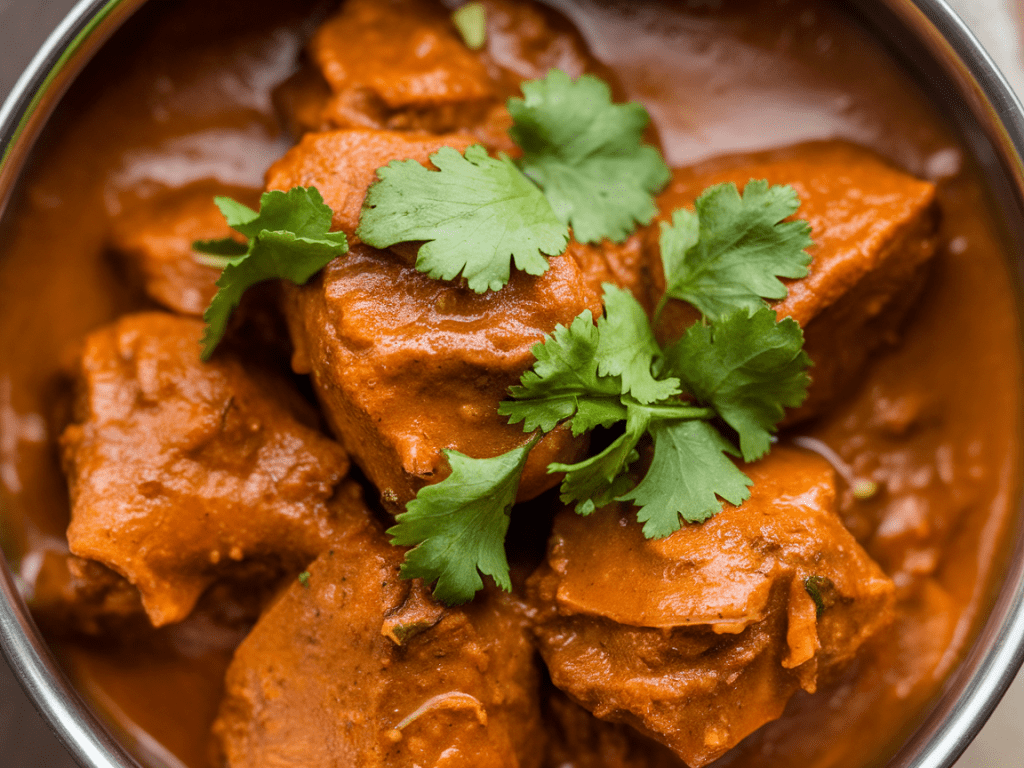
Why This Easy Indian Mutton Curry Works Every Time
A good curry doesn’t need 100 ingredients. Seriously, I’ve seen recipes that look like someone dumped the entire spice cabinet just because they could. This recipe keeps things simple while still delivering those bold flavors you love.
Simple Ingredients, Big Flavor
This curry works because:
- You use basic spices that every Indian kitchen already keeps.
- You let the mutton cook slowly, which gives you maximum tenderness.
- You build flavor in layers, not chaos.
Perfect for Busy Days
Ever felt too tired to cook but still wanted something homemade and delicious? This recipe hits the sweet spot. You throw things into the pot, stir a bit, and let the magic happen. IMO, that’s the ideal cooking experience.
Ingredients You Need for Easy Indian Mutton Curry
Let’s get the shopping list sorted so you don’t end up realizing halfway that you’re out of tomatoes (been there, not fun).
Main Ingredients
- 500g mutton (preferably bone-in for rich flavor)
- 2 medium onions, finely chopped
- 2 tomatoes, chopped
- 2 tbsp ginger-garlic paste
- 3 green chilies, slit
- Oil or ghee (ghee = deeper flavor)
- Salt to taste
- Fresh coriander for garnish
Spices (The Real Heroes)
- 1 tsp turmeric
- 1 tbsp red chili powder
- 2 tsp coriander powder
- 1 tsp garam masala
- Whole spices:
- 2 bay leaves
- 4 cloves
- 1 cinnamon stick
- 2–3 cardamom pods
Water or Stock
You can use either, but if you’re feeling fancy, stock boosts the flavor instantly.
Ever wondered if you need expensive spices to make great mutton curry? You don’t. Your grandma probably cooked better food with fewer ingredients, so we follow that logic.
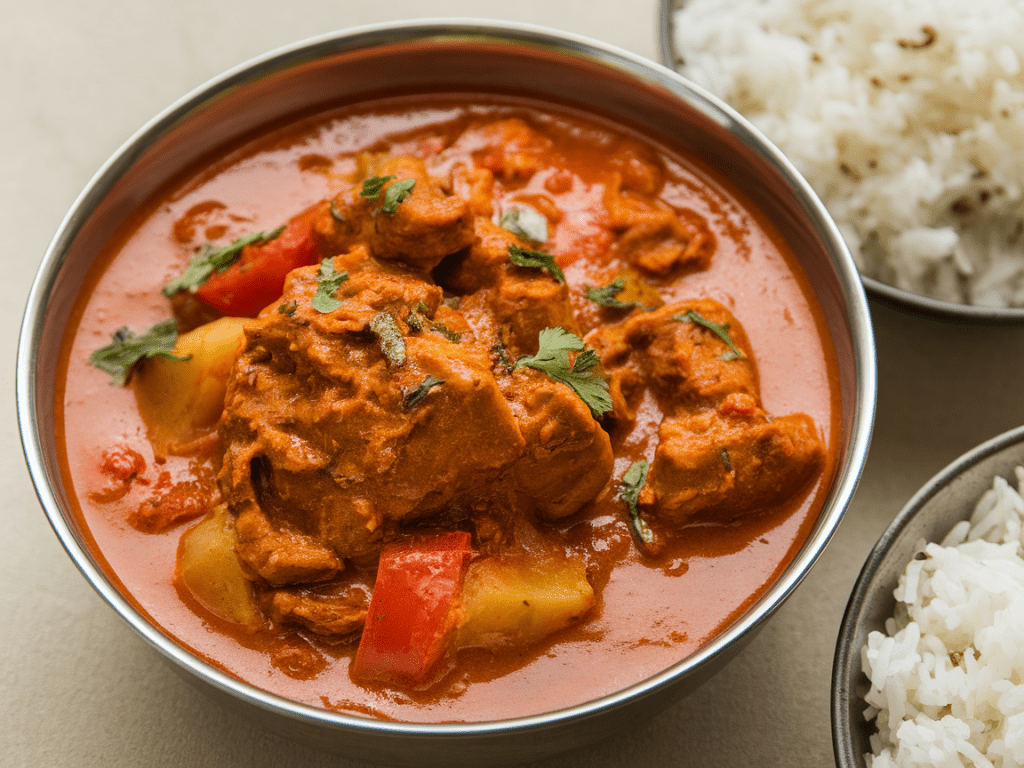
Step-by-Step Guide to Making Easy Indian Mutton Curry
This method works every single time—even when you’re half-awake or distracted.
Step 1: Marinate the Mutton
Marination gives your curry a major upgrade with zero effort. I mix the mutton with:
- Turmeric
- Chili powder
- Salt
- Ginger-garlic paste
I leave it for at least 20–30 minutes. If you can give it an hour, even better. Ever noticed how marinated mutton feels like it “belongs” in a curry more than un-marinated mutton? That’s why this step matters.
Step 2: Build a Flavorful Base
Heat oil or ghee in a deep pot.
Add:
- Bay leaves
- Cloves
- Cinnamon
- Cardamom
The moment these start crackling, the kitchen smells like you know what you’re doing.
Add chopped onions and sauté them until golden. I don’t rush this part because golden onions = richer gravy. If you burn them, the curry gets bitter—and trust me, scraping burnt bits is a special kind of pain.
Add tomatoes and cook until they soften fully. When the oil starts separating, you know you’ve nailed the base.
Step 3: Add the Mutton
Add the marinated mutton to the pot. Stir well so every piece coats with the masala. I cook it for 7–10 minutes until it changes color and starts absorbing spices.
Ever wondered why some curries taste flat? It’s usually because this step wasn’t done properly. You let the mutton roast with the masala—that’s where the flavor builds.
Step 4: Add Water and Pressure Cook
Pour enough water to cover the mutton. Close the pressure cooker and give it 4–6 whistles depending on the cut.
I’ve learned the hard way that mutton sometimes behaves unpredictably—some batches turn soft quickly, others act like you’re trying to cook a rock. Don’t panic. A few extra whistles fix the situation.
Step 5: Add Final Spices and Simmer
Open the cooker, add garam masala, and simmer the curry uncovered for 10–15 minutes.
This step thickens the gravy and intensifies the aroma. When the curry starts bubbling slowly, it feels like it’s whispering, “You’re almost there.”
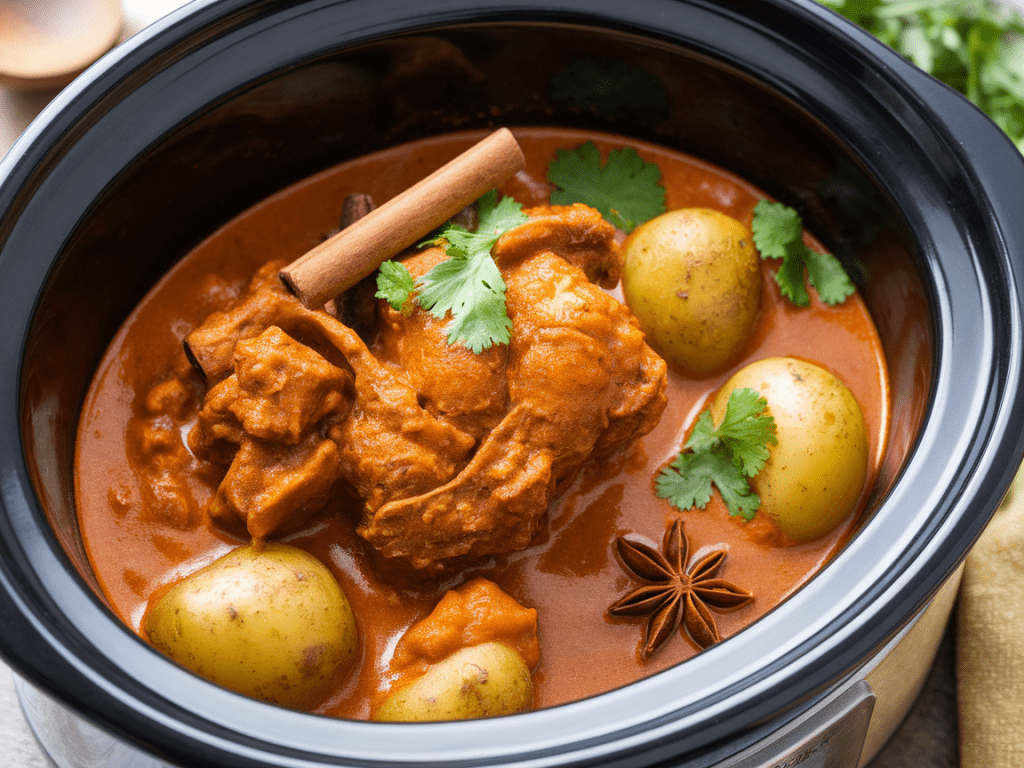
Essential Tips for Making the Best Easy Indian Mutton Curry
I’ve picked up these tips after many kitchen successes—and failures.
Tip 1: Choose Bone-In Mutton
Bone-in pieces give more flavor. Boneless feels convenient but tastes lighter.
Tip 2: Don’t Skip Onions
Onions give body to the gravy. Use fewer, and your curry will look sadder than Monday mornings.
Tip 3: Use Fresh Ginger-Garlic Paste
Packaged paste works, but fresh paste hits differently. If you’ve ever compared them, you know what I mean.
Tip 4: Let the Curry Rest
Resting the curry for 10–15 minutes deepens the flavors. Ever noticed how leftovers taste better? Same logic.
Side Dishes That Pair Perfectly with Mutton Curry
You can enjoy this easy Indian mutton curry with almost anything, but these pairings always win.
1. Steamed Rice
Simple. Classic. Reliable.
2. Jeera Rice
Adds aroma without stealing the spotlight.
3. Chapati or Phulka
Soft, light, and great for soaking up the gravy.
4. Paratha
If you want something flaky and indulgent, paratha is your best friend.
5. Raita
A cooling bowl of curd balances the spice levels like magic.
Why Homemade Easy Indian Mutton Curry Beats Restaurant Curry
Ever brought home mutton curry from a restaurant only to wonder why it tastes… the same every time? Restaurants follow a fixed formula, but at home, you adjust heat, spices, marination, and texture exactly how you like it.
Homemade Curry Gives You:
- Control over oils and spices
- Customization for heat levels
- Better quality ingredients
- A sense of pride that restaurants simply can’t provide
Plus, you avoid spending extra money on something you can cook better at home.
Variations You Can Try with This Easy Indian Mutton Curry
If you like experimenting, these versions keep things interesting.
1. Coconut Mutton Curry
Add coconut milk during the final simmer for a creamy, coastal twist.
2. Yogurt-Based Mutton Curry
Add thick yogurt after pressure cooking for tanginess and richness.
3. Dhaba-Style Mutton Curry
Increase chili powder, add more ghee, and toss in kasuri methi.
Ever wondered why dhaba food tastes addictive? It’s the unapologetic use of spices and fat.
Healthy Tweaks (If You’re Trying to Be Good)
I won’t pretend mutton curry magically fits into a diet chart, but you can make lighter adjustments.
- Use less oil
- Skip paratha and stick with chapati
- Add a big bowl of salad
- Cut down on chili powder
Will it taste the same? Not exactly. Will your conscience feel better? Absolutely.
Common Mistakes to Avoid When Making Mutton Curry
These slip-ups can ruin even the easiest curry, so avoid them at all costs.
1. Adding Too Much Water
You want rich gravy, not mutton-flavored soup.
2. Not Sautéing Masala Enough
Undercooked masala tastes raw and unpleasant.
3. Rushing the Mutton
Let it cook completely. Tough mutton is the universe testing your patience.
4. Using Old Spices
Stale spices = weak flavor.
Frequently Asked Questions About Easy Indian Mutton Curry
1. Can I Make This Curry Without a Pressure Cooker?
Yes! Cook in a heavy pot and let it simmer for 1.5–2 hours. Just check water levels.
2. Can I Make It Less Spicy?
Absolutely. Reduce chili powder and use a mild garam masala.
3. Can I Add Potatoes?
You can, but they sometimes turn mushy. Add them after the pressure stage.
Conclusion
There you go—a friendly, foolproof guide to making Easy Indian Mutton Curry that tastes incredible without stressing you out. You now know the ingredients, the method, the secrets, the pairings, and the mistakes to avoid. Next time someone asks, “How do you make such good mutton curry?”, feel free to say, “Skill, obviously,” even if your cooker did most of the work 😉
So go ahead—cook this, enjoy the aroma, savor the richness, and treat yourself to a comforting bowl of homemade goodness. Your taste buds will thank you.