Ever wondered why Italian food just hits different? I’m talking about that perfectly cooked pasta, the sauces that make your taste buds dance, and that little hint of garlic and olive oil magic in every bite. Well, that’s exactly what classic traditional Italian pasta recipes bring to the table.
Personally, I fell in love with Italian pasta during a trip to Rome. One bite of freshly made spaghetti with a simple tomato sauce, and I knew I’d never look at boxed pasta the same way again. Today, I want to share how you can bring that authentic, delicious Italian vibe right into your kitchen, without needing a plane ticket.
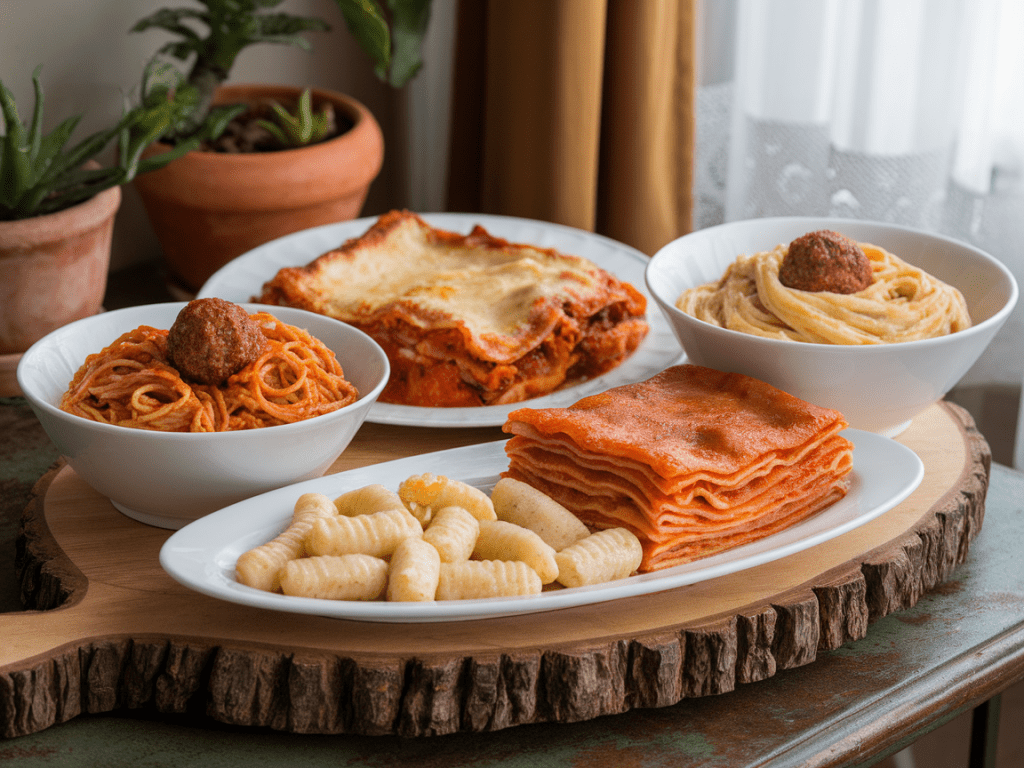
Why Traditional Italian Pasta Recipes Are Worth Making
1. Simple Ingredients, Big Flavor
Italian pasta is all about quality ingredients. You don’t need 20 spices or weird powders. Just fresh pasta, ripe tomatoes, good olive oil, garlic, and maybe some fresh basil, and you’re already halfway to heaven.
Ever wondered why Italian pasta tastes so fresh and satisfying? It’s because they let the ingredients shine, not hide them under layers of seasoning.
2. Fast and Versatile
Most classic Italian pasta dishes take under 30 minutes. Seriously, whether it’s a busy weeknight or a Sunday feast, you can pull together a dish that feels fancy but cooks in a flash.
3. Comfort and Elegance
There’s something comforting about twirling spaghetti around your fork or enjoying a creamy fettuccine. At the same time, it’s elegant enough to serve guests and make them think you spent hours in the kitchen (wink).
Essential Ingredients for Authentic Italian Pasta
Before we start cooking, let’s make sure your pantry is stocked with basics every Italian cook swears by:
- Pasta: Spaghetti, fettuccine, penne, or rigatoni
- Olive oil: Extra virgin, for flavor, not just frying
- Garlic: Minced or thinly sliced
- Fresh tomatoes or canned San Marzano tomatoes
- Parmesan cheese or Pecorino Romano
- Fresh herbs: Basil, parsley, or oregano
- Salt and pepper – don’t underestimate the power of seasoning
Pro tip: Use fresh pasta when possible. It cooks faster, tastes better, and really elevates the dish.
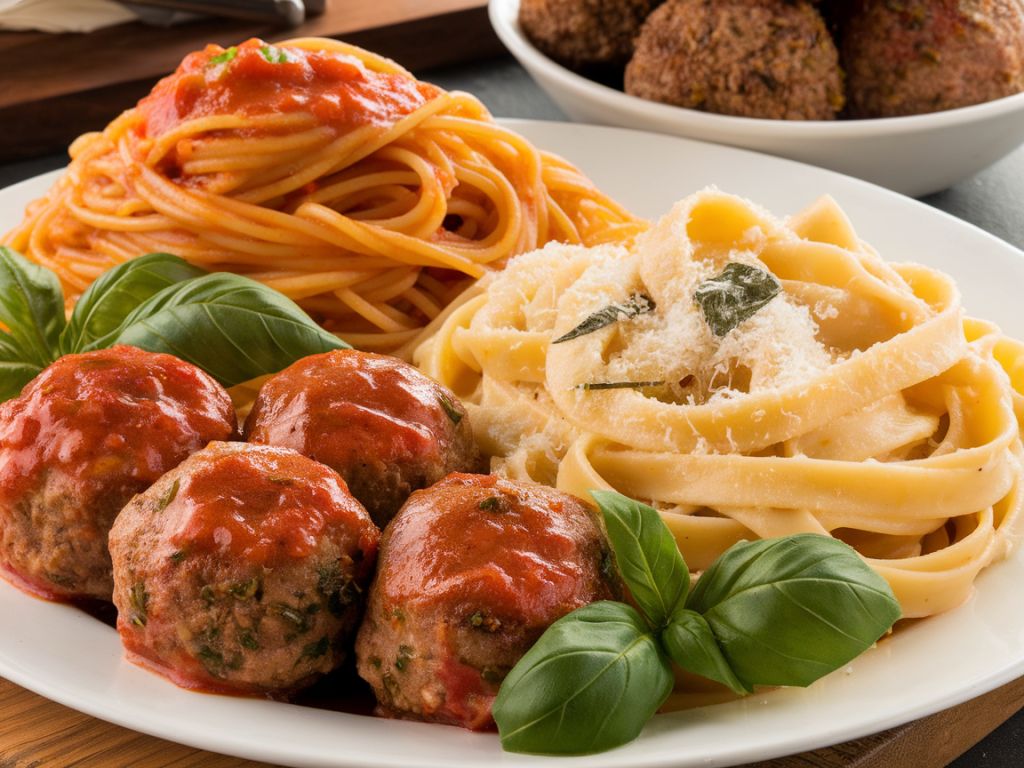
Classic Italian Pasta Recipes You Need to Try
1. Spaghetti Aglio e Olio (Garlic and Olive Oil)
Sometimes, the simplest dishes are the best. This one only needs:
- Spaghetti – cooked al dente
- Garlic – thinly sliced
- Olive oil – lots!
- Chili flakes – optional, for a little kick
- Parsley – chopped
How to make it:
- Cook spaghetti until just tender.
- Sauté garlic in olive oil until golden.
- Toss in pasta, add chili flakes and parsley.
- Season with salt, drizzle more olive oil, and serve.
Why it’s awesome: This dish is quick, flavorful, and ridiculously comforting. Plus, it’s basically a magic trick for taste buds with minimal effort.
2. Classic Spaghetti alla Carbonara
Carbonara is like a cozy hug in pasta form. You’ll need:
- Spaghetti – al dente
- Eggs – room temperature
- Pecorino Romano cheese – grated
- Guanciale or pancetta – diced
- Black pepper – freshly cracked
Steps:
- Cook pasta and set aside some pasta water.
- Fry guanciale until crispy.
- Whisk eggs and cheese together.
- Toss pasta with guanciale, then quickly mix in egg-cheese mixture off the heat. Add pasta water gradually for creaminess.
Pro tip: Never scramble the eggs! Remove the pan from heat before adding eggs to get that silky sauce.
3. Penne all’Arrabbiata (Spicy Tomato Sauce)
Love a little spice? Arrabbiata is your go-to. Ingredients:
- Penne pasta – cooked al dente
- Garlic and red chili flakes – sautéed in olive oil
- Tomatoes – fresh or canned
- Salt and parsley – for finishing
Steps:
- Cook penne, saving some pasta water.
- Sauté garlic and chili in olive oil.
- Add tomatoes, simmer for 10 minutes.
- Toss pasta in sauce, adjust consistency with pasta water, garnish with parsley.
Why it rocks: It’s spicy, tangy, and surprisingly simple. Perfect for when you want a kick without fuss.
4. Fettuccine Alfredo (Creamy Comfort Classic)
Yes, it’s indulgent, but sometimes life calls for creamy pasta:
- Fettuccine – fresh or dried
- Butter and heavy cream – for the sauce
- Parmesan cheese – grated
- Nutmeg and black pepper – optional but amazing
How to make it:
- Cook fettuccine until al dente.
- Melt butter and cream in a pan, add cheese gradually.
- Toss pasta in the sauce, season, and serve immediately.
Pro tip: Don’t overcook the pasta or sauce. Creamy Alfredo waits for no one.
5. Pasta Puttanesca (Bold and Briny)
Puttanesca is for when you want a punchy, flavorful meal with pantry staples:
- Spaghetti – al dente
- Garlic, anchovies, capers, olives – sauté together
- Crushed tomatoes – for sauce
- Red chili flakes – optional
Steps:
- Cook pasta, reserve pasta water.
- Sauté garlic and anchovies until fragrant.
- Add olives, capers, tomatoes, and chili. Simmer 10 minutes.
- Toss pasta, adjust sauce thickness with pasta water.
Why it’s unique: Salty, spicy, and tangy flavors all in one bite—no wonder Italians call it “a little bit of everything.”
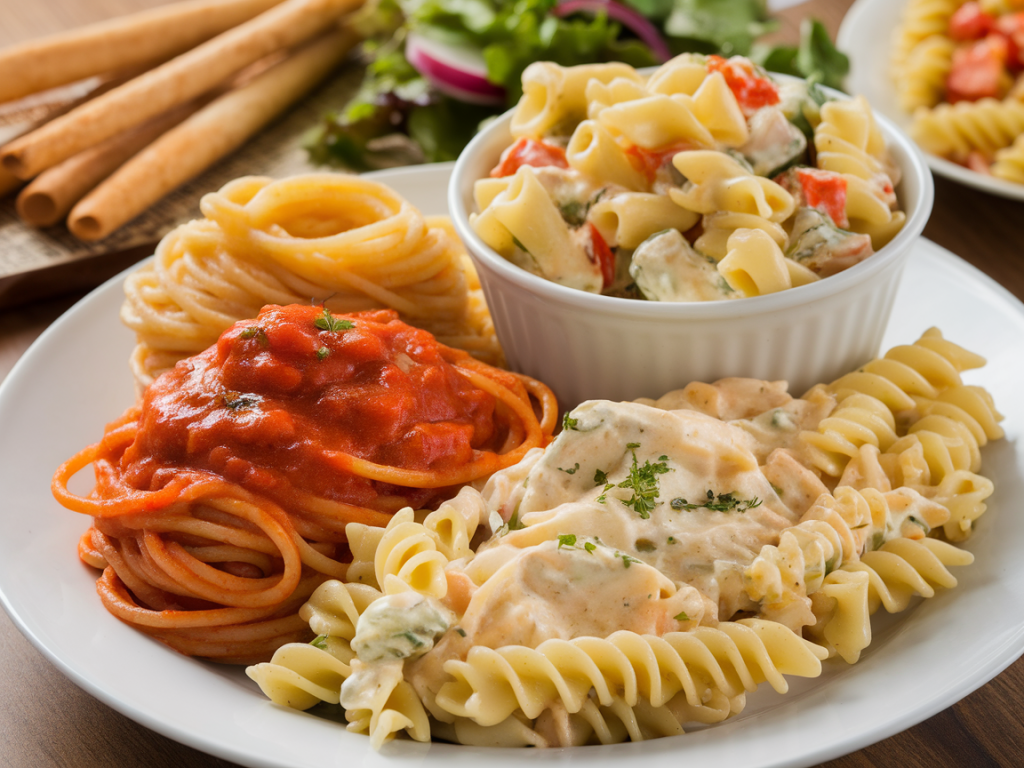
Tips for Cooking Perfect Pasta Every Time
1. Salt the Water Generously
Ever wondered why restaurant pasta tastes so good? They salt the water like the sea. Don’t skimp—it’s your first layer of flavor.
2. Don’t Overcook
Al dente is key. Mushy pasta is sad pasta. Taste it a minute before the package says it’s done.
3. Save Pasta Water
Yes, it’s slightly starchy and magical. A splash can thicken sauces and help them stick to pasta.
4. Quality Ingredients Matter
Fresh pasta, ripe tomatoes, and good olive oil make a huge difference. No shortcuts here.
Pairing Pasta with the Perfect Sides
- Garlic bread or bruschetta – classic, crunchy, and buttery
- Simple salad with balsamic – balances richness
- Roasted veggies – adds color and nutrition
- A glass of red wine – because, well, Italy
Pro tip: Even a simple spaghetti aglio e olio feels elevated with a crunchy side and a light salad.
Common Mistakes to Avoid
- Over-saucing – you want pasta coated, not swimming.
- Using low-quality olive oil – it changes the entire flavor profile.
- Skipping fresh herbs – they add that “wow” factor.
- Adding cheese at the wrong time – add before serving, not while cooking tomato sauce.
Meal Prep and Storage Tips
- Cook pasta slightly underdone if you plan to reheat later.
- Store sauce separately from pasta to avoid sogginess.
- Reheat with a splash of water or olive oil to restore texture.
FYI: Some dishes, like Alfredo, are best eaten fresh, while tomato-based sauces actually taste better the next day.
Why You Should Make These Recipes
- Quick and easy – 20-30 minutes most of the time
- Flexible – switch up pasta shapes, veggies, or proteins
- Authentic flavors – fresh ingredients, traditional techniques
- Comforting and impressive – works for a casual dinner or guests
Ever noticed how even a simple spaghetti dish can make you feel fancy at home? That’s the beauty of Italian pasta—it’s approachable, satisfying, and endlessly delicious.
FAQs About Classic Italian Pasta
Can I use dried pasta instead of fresh?
Yes! Cook it al dente and toss it in your sauce—fresh pasta is just a texture upgrade.
How do I make sauces from scratch quickly?
Use canned San Marzano tomatoes, sauté garlic and herbs, and simmer for 10-15 minutes. Boom—instant flavor.
Can I make it vegetarian or vegan?
Absolutely! Skip meat and cheese or use plant-based alternatives. Italian cooking is flexible.
How do I prevent pasta from sticking?
Use enough water, stir occasionally, and toss with a bit of olive oil after draining.
Final Thoughts
Classic traditional Italian pasta recipes are more than just meals—they’re experiences. Whether it’s the simplicity of aglio e olio, the richness of Alfredo, or the bold flavors of Puttanesca, these dishes prove that good ingredients and simple techniques win every time.
So, grab your favorite pasta, a good bottle of olive oil, and bring a taste of Italy into your kitchen. Trust me, once you try making these at home, you’ll wonder why you ever ordered takeout. And hey, don’t forget a glass of wine—you’ve earned it. 😉