Shortbread is the kind of cookie you make when you want something simple, comforting, and guaranteed to impress. With just three ingredients, you get a crisp, buttery bite that melts in your mouth and feels like home. There’s no fancy technique, no hard-to-find items—just a classic recipe that delivers every single time.
Whether you’re baking for the holidays, a quick treat, or a tea-time moment, this is your go-to. Once you make a batch, it’s hard not to keep the dough on standby.
What Makes This Special
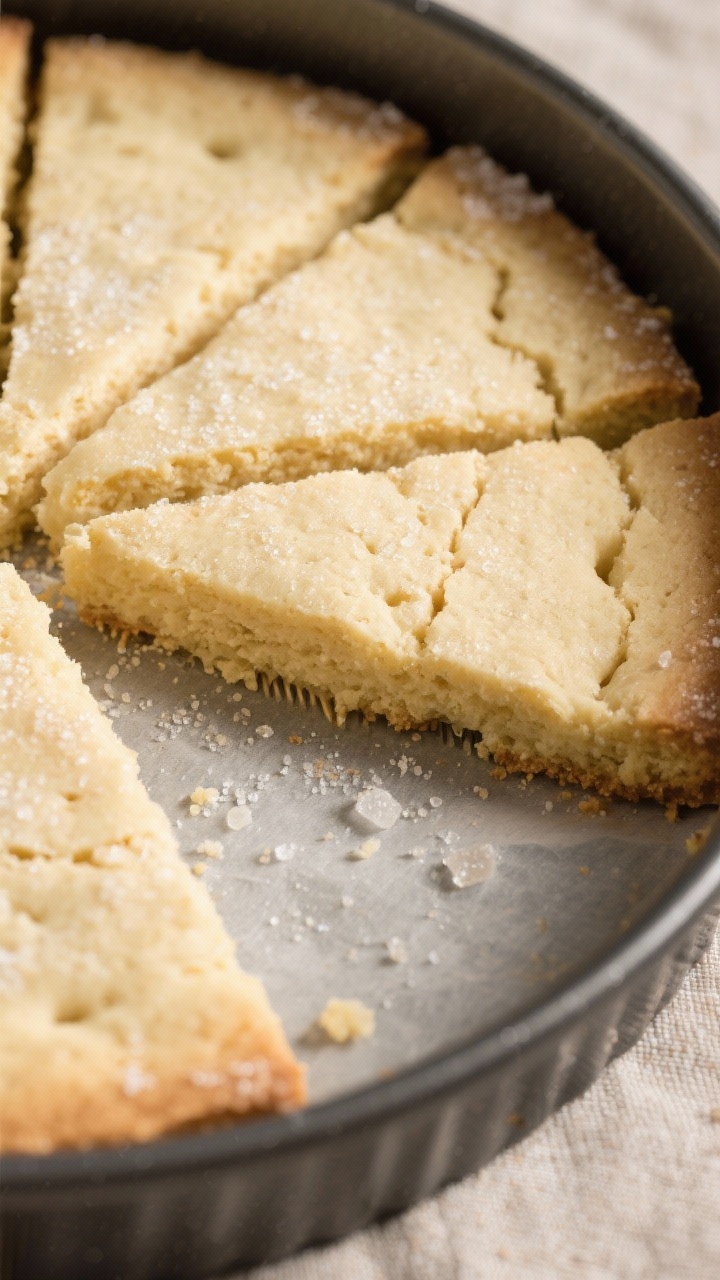
Shortbread is all about texture and balance. These cookies bake up tender and crumbly, with a clean buttery flavor and a light sweetness that doesn’t overwhelm.
The dough is forgiving, so it’s great for beginners and fast for experienced bakers. You can press, roll, or slice the dough—whatever suits your mood. And because the recipe is so simple, quality ingredients really shine.
Shopping List
- Unsalted butter (1 cup/226 g), softened to cool room temperature
- Granulated sugar (1/2 cup/100 g) or superfine sugar
- All-purpose flour (2 cups/240 g), measured carefully
- Optional but helpful: Pinch of fine salt if your butter is unsalted
Step-by-Step Instructions
- Prep your pan and oven. Heat the oven to 325°F (163°C).
Line a baking sheet with parchment paper or a silicone mat. If you plan to press the dough into a pan, lightly grease or line an 8×8-inch pan.
- Cream the butter and sugar. In a mixing bowl, beat the butter and sugar together until smooth and slightly fluffy, about 1–2 minutes. You want a creamy texture, not full-on whipped.
If using salt, add a small pinch now.
- Add the flour. Sprinkle the flour over the butter mixture. Mix on low just until the flour disappears and a soft dough forms. It should look a little crumbly at first, then come together when pressed. Do not overmix.
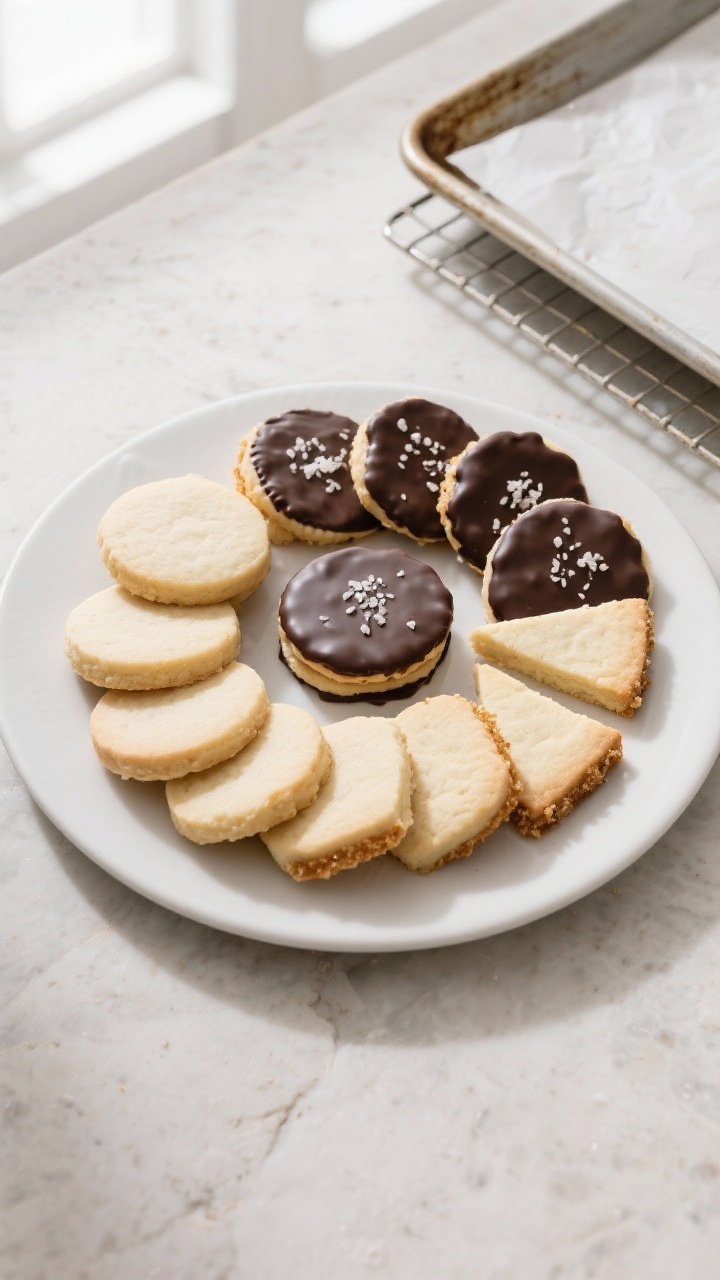
- Choose your shape. You have three easy options:
- Slice-and-bake: Roll the dough into a log (about 2 inches in diameter), wrap, and chill 20–30 minutes.
Slice into 1/4-inch rounds.
- Cut-outs: Pat or roll the dough between two sheets of parchment to about 1/4 inch thick. Chill for 10 minutes, then cut with a cookie cutter.
- Pan-baked wedges: Press the dough evenly into an 8-inch round or square pan. Score into wedges or bars before baking.
- Slice-and-bake: Roll the dough into a log (about 2 inches in diameter), wrap, and chill 20–30 minutes.
- Dock if needed. If baking in a pan or making thicker cookies, prick the surface gently with a fork to prevent bubbling.
- Bake. Bake for 18–24 minutes depending on thickness and size, until the edges are just turning lightly golden. Shortbread should stay pale with only faint color on the edges.
- Cool and finish. Let cookies cool on the pan for 5 minutes, then transfer to a rack.
If you baked in a pan, re-cut along the score lines while still warm. Cool completely for the best texture.
- Optional sugar dusting. While still slightly warm, you can sprinkle a little extra granulated or superfine sugar on top for a delicate crunch.
Keeping It Fresh
Shortbread keeps beautifully. Store in an airtight container at room temperature for up to 1 week.
For longer storage, freeze baked cookies for up to 2 months; thaw at room temperature. You can also freeze the dough—either as a log or pressed flat—well-wrapped for up to 2 months. Pro tip: Bake straight from the freezer and just add 1–2 extra minutes if needed.
Why This is Good for You
No, shortbread isn’t a “health food,” but it’s good for your baking confidence. With only three ingredients, you learn how butter, sugar, and flour work together.
It’s also portion-friendly—a small cookie goes a long way thanks to its rich flavor. Plus, making your own treats helps you avoid preservatives and control sweetness. There’s value in simple, homemade comfort.
What Not to Do
- Don’t overmix the dough. Overworking develops gluten, which leads to tough cookies instead of tender, crumbly ones.
- Don’t bake until deeply golden. Shortbread should be pale with just a hint of color at the edges.
Too much browning dries it out.
- Don’t skip chilling for cut-outs or slice-and-bake. Chilled dough holds shape and bakes evenly.
- Don’t measure flour carelessly. Too much flour makes dry, crumbly dough that won’t come together. Spoon and level, or weigh it.
- Don’t use very soft or melted butter. Warm butter makes greasy, spread-prone cookies. Aim for cool room temperature.
Variations You Can Try
- Vanilla or Almond: Add 1 teaspoon pure vanilla extract or 1/2 teaspoon almond extract with the sugar.
- Chocolate-Dipped: Dip cooled cookies halfway into melted dark or milk chocolate.
Sprinkle with crushed nuts or flaky salt.
- Citrus Zest: Rub 1–2 teaspoons lemon, orange, or lime zest into the sugar before creaming for fragrant oils and bright flavor.
- Spice Warmth: Add 1/2 teaspoon cinnamon or cardamom to the flour. A pinch of nutmeg is lovely in winter.
- Lavender or Earl Grey: Finely crush 1 teaspoon culinary lavender or 1–2 teaspoons tea leaves and blend into the sugar.
- Nutty Crunch: Fold in 1/3 cup finely chopped toasted pecans, almonds, or hazelnuts.
- Brown Sugar Twist: Replace half the granulated sugar with light brown sugar for deeper caramel notes.
- Pan-Pressed Demerara: Press a tablespoon of demerara sugar over the top before baking for a delicate crackle.
FAQ
Can I use salted butter?
Yes. Skip any added salt and note that flavor can vary by brand.
Salted butter will give a slightly more pronounced salty-sweet finish, which some people love.
Do I need cornstarch or rice flour?
Not for this recipe. Three ingredients are plenty, but if you want extra tenderness, you can replace 2–3 tablespoons of the flour with cornstarch. It will make the crumb finer and a bit more delicate.
Why is my dough crumbly and not coming together?
Most likely there’s too much flour or the butter is too cold.
Try gently kneading by hand for 10–15 seconds. If still dry, add 1–2 teaspoons of soft butter and work it in just until it holds.
How thick should I roll the dough?
About 1/4 inch is a safe standard. Thinner cookies bake faster and can be crispier; thicker ones are more tender.
Adjust bake time by a minute or two either way.
How do I keep the edges neat when slicing?
Chill the dough log until firm, then use a sharp knife warmed under hot water and dried. For cut-outs, chill the rolled sheet for 10 minutes before cutting.
Can I double the recipe?
Absolutely. Use two baking sheets and rotate them halfway through baking for even color.
If using a pan, press the dough into a 9×13-inch pan and watch the bake time closely.
How do I make them extra buttery?
Start with high-quality European-style butter, which has a higher butterfat content. Keep the ingredient list minimal and avoid overbaking to preserve that melt-in-your-mouth feel.
What’s the best way to gift them?
Let them cool completely, then layer in a tin with parchment between layers. Add a small packet of silica gel or a sugar cube to help keep moisture at bay.
Why did my shortbread puff or bubble?
Trapped steam can cause bubbling.
Dock thicker dough with a fork and avoid whipping too much air into the butter-sugar mixture.
Can I make them gluten-free?
Yes. Use a 1:1 gluten-free all-purpose flour blend that includes xanthan gum. The texture will be slightly different but still delicious.
In Conclusion
These 3-ingredient shortbread cookies prove that simple can be spectacular.
With just butter, sugar, and flour, you get a classic treat that’s crisp at the edge, tender in the center, and rich with buttery flavor. Keep the technique gentle, the bake pale, and the variations playful. Whether you gift them or keep them all to yourself, this is one recipe that never lets you down.